

Start With the Date Stock Must Be Available
Imagine booking a launch around the date garments are expected to leave the factory. The collection may be finished on time but still unavailable when selling starts.
Work backwards from the date stock must be ready at its destination. Allow for transport, customs clearance, delivery and any receiving work before that date. Then assess whether the remaining time accommodates approvals, materials and production. A factory completion estimate is not a delivery commitment.

For the distinction between sampling and bulk production, see our sampling-versus-bulk guide. For scheduling, the key question is whether every required step fits the same deadline—not whether one estimate sounds short enough.
Identify the Decisions That Could Move the Date
An unresolved choice can hold up work that depends on it. Before asking us to assess a date, identify what is decided and what still needs approval.
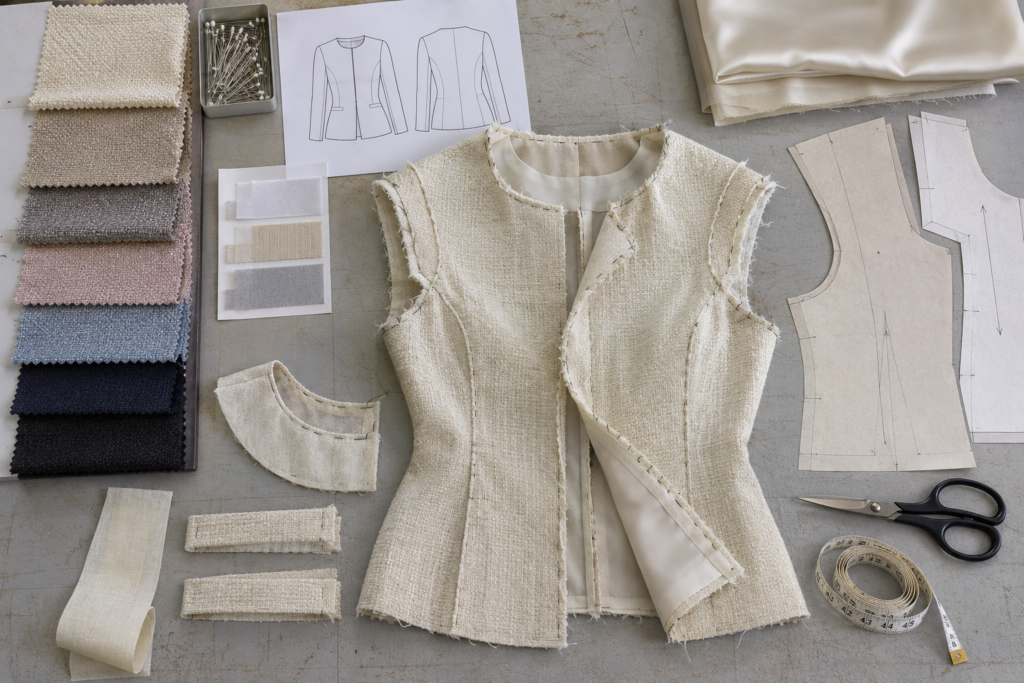
- Materials: Confirm the intended fabric, colour and trims, and whether their availability is known. A substitute may change the garment’s appearance or performance and need approval.
- Fit: Provide a tech pack, measurements and grading where available. An unresolved fit may mean another sample or revision before bulk work can be scheduled.
- Branding and packaging: Identify labels, tags, prints and packaging, including who will supply them. Artwork or placement decisions can affect when those components are ready.
- Quantities: Specify units by style, colour and size. An approximate total alone may not show the full order.
- Testing: If your market or retailer requires testing, identify the tests, responsibility and required result date. The schedule must allow for the relevant work and any response to an issue.
These are dependencies to assess, not fixed durations. Missing details make a firm schedule harder to establish.
Compare a Schedule Against the Order You Actually Want
A proposed date for one version of an order may not apply after styles, quantities or components change. Compare the timeline with your actual brief: each garment, size range, colour, quantity and branding requirement, plus the sampling and other work included.
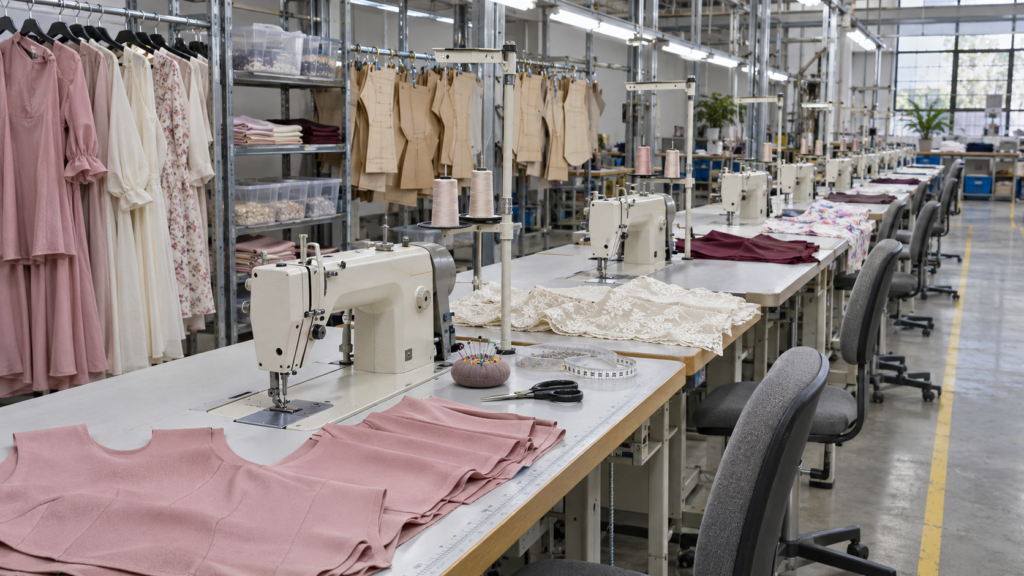
Ask what starts the clock. Does the estimate depend on an approved sample, confirmed materials, payment or another event? Identify what is outside its scope, particularly freight, clearance and delivery to your destination.
A provisional estimate helps assess feasibility while details remain open. An agreed schedule should identify the order and assumptions it covers, along with the dates and responsibilities both parties accept.
Before committing, discuss whether a production slot is available for the proposed order, what would reserve it and what happens if an approval or material arrives later than planned. Also ask how a change in quantity, design or requested date would be assessed. Availability and any reservation terms need confirmation for the project; an estimate alone should not be treated as a reserved slot.
Choose What Can Change Before the Deadline Does
If the proposed schedule misses your stock-available date, decide which requirements are negotiable before cutting the order.
A simpler garment, fewer variations or different branding may remove dependencies, but only if the revised work fits available resources. Alternative fabric or trims may be worth considering if availability and the effect on the garment are acceptable. A quantity change may alter the plan, but a smaller order is not automatically faster. Ask us to assess the revised brief rather than assuming it saves time.
Moving the launch protects the original design and may leave more room for approvals and delivery. If the date cannot move, consider whether another supplier can support the required scope and destination schedule. A supplier offering an earlier date is useful only if its timeline covers the same work and the assumptions are clear.
If none of those options meets the brief, launching later is a stronger decision than promising stock on an unverified date.
Confirm the Timeline Before Placing the Order
An order is easier to plan when the date and its conditions are explicit. Before commitment, agree on:
- The sample, approval, factory completion and stock-available dates, including any dates for testing.
- The styles, quantities, materials and variations covered, and any assumptions still open.
- Who supplies and approves each component, arranges transport and handles destination clearance.
- What happens to the schedule if an approval, material or order detail changes.
We are Orange Sea Clothing, a womenswear OEM/ODM manufacturer in Dongguan, China, producing dresses, skirts, tops, bodysuits, sets and outerwear. We have an in-house sample room; sampling takes about 7 days, and we quote within 24 hours. Confirm the start point and scope of a sampling estimate for your project: neither estimate is a bulk production or delivery promise. We offer low MOQ production, with style-specific quantities and scheduling to be confirmed.
Share your stock-available deadline and order brief with us for a schedule assessment.
What to send us
If the specifications above match what you are sourcing, send your tech pack to Orange Sea Clothing. If the pack is not written yet, sketches and a reference sample are enough to start — sample development covers the design review, fabric and trim sourcing, pattern making and the first prototype, so you see fit and construction before you commit to a production run.

Comments