
Where Most Quality Programs Fall Apart
A well-structured tech pack is the anchor for this, but only if the QC checkpoints reference it explicitly.
The Pre-Production Verification Checklist
Before you sign the purchase order, agree which checks apply to your garment, what the specifications and tolerances are, and when each approval or inspection will be completed. Some checks, including bulk fabric verification and pre-production sample approval, take place later. Items such as embroidery and wash treatments apply only where relevant. Missing specifications or approvals can increase the risk of a quality dispute in bulk.
Fabric and Material Verification
- Lab dips approved and archived with a tolerance range defined
- Bulk fabric shade matched to the approved master swatch under D65 daylight
- Fabric weight (GSM or oz/yd²) verified against the spec within ±5%
- Color fastness test results for washing, rubbing, and perspiration on file
- Fiber content confirmed by third-party lab report
- Hand feel and finish matched to the approved reference sample
- Fabric defects (skew, bow, crease marks) within the agreed tolerance

Trim and Accessory Verification
- Zipper tape color matched to body fabric
- Zipper slider and pull specified by brand and model number
- Button size, material, and color approved
- Interfacing weight and fusibility confirmed
- Thread type and color matched
- Care label content and format approved for destination market
- Hangtag and barcode verified against your master data
Pattern and Fit Verification
- Graded nest checked for proportional growth across the size range
- Base size pattern approved and signed off
- Pre-production sample reviewed against the approved fit sample
- Measurement chart completed for all sizes with tolerances applied
- Seam allowances specified and consistent
Construction and Stitch Verification
- Stitch type and SPI (stitches per inch) specified for every seam
- Seam allowance tolerance defined
- Bar tack and reinforcement placement confirmed
- Hem type and depth specified
- Lining attachment method approved
- Topstitching detail and thread weight specified
Print, Embroidery, and Wash Verification
- Print strike-off approved for color, placement, and hand feel
- Print durability tested for cracking and peeling
- Embroidery density and backing type approved
- Wash standard defined and wash sample approved
- Shrinkage tolerance specified for wash treatments
Labeling and Packaging Verification
- Main label placement and sewing method confirmed
- Size label format and placement approved
- Country of origin label correct for destination
- Fiber content label accurate and compliant
- Polybag thickness and closure method specified
- Carton dimensions and gross weight defined
- Shipping mark and carton label content approved
The In-Line and Final Inspection Framework
Once production starts, the QC program shifts from specification to verification. The framework below is what a factory committed to quality will run internally, and what you should expect to see in their QC reports.
In-Line Inspections
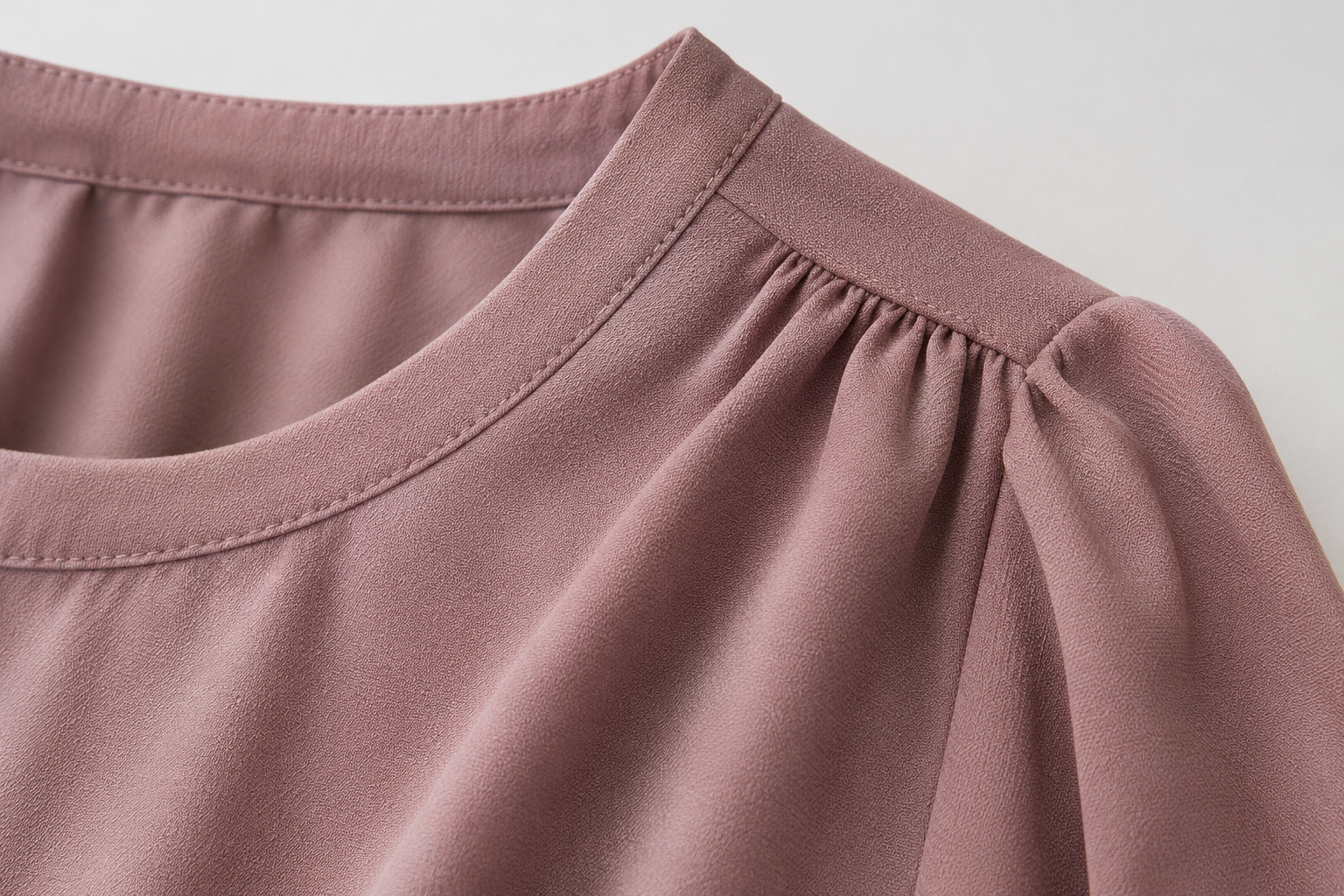
In-line inspections happen at three points: fabric spreading, sewing line setup, and finishing. At the spreading stage, the inspector checks for fabric shade variation across rolls and flags any roll that deviates from the approved master. At sewing line setup, the first garments off the line are checked against the approved pre-production sample for stitch density, seam allowance, and construction sequence. At finishing, the inspector verifies trim attachment, label placement, and pressing quality before the garments move to final inspection.
Final Inspection (Pre-Shipment)
The final inspection follows the ISO 2859-1 standard, typically at AQL 2.5 for major defects and AQL 4.0 for minor defects. The sample size is drawn from the total lot size using the general inspection level II table. For a lot of 5,000 pieces, the sample size is 200 units. The inspector checks each unit against the measurement chart, the construction spec, and the visual reference, and records defects by type and location. The lot passes or fails based on the number of defects found relative to the acceptance number in the AQL table.
How to Write QC Into Your RFQ
A factory that receives a vague RFQ will quote to the minimum standard they can defend. If you want a specific AQL, a specific test method, or a specific inspection stage, you must state it in the RFQ. The language below is a starting point.
- "Pre-production sample must be approved before bulk fabric cutting begins."
- "In-line inspection at sewing line setup and mid-production is required, with reports provided to the buyer within 24 hours."
- "Final inspection to be conducted per ISO 2859-1, general inspection level II, AQL 2.5 for major defects, AQL 4.0 for minor defects."
- "Third-party inspection may be conducted by the buyer’s nominated agency at the seller’s expense in the event of a failed final inspection."
- "All test reports for fabric, trim, and color fastness must be provided before shipment and must be from a lab accredited to ISO 17025."
The Cost of Skipping the Checklist
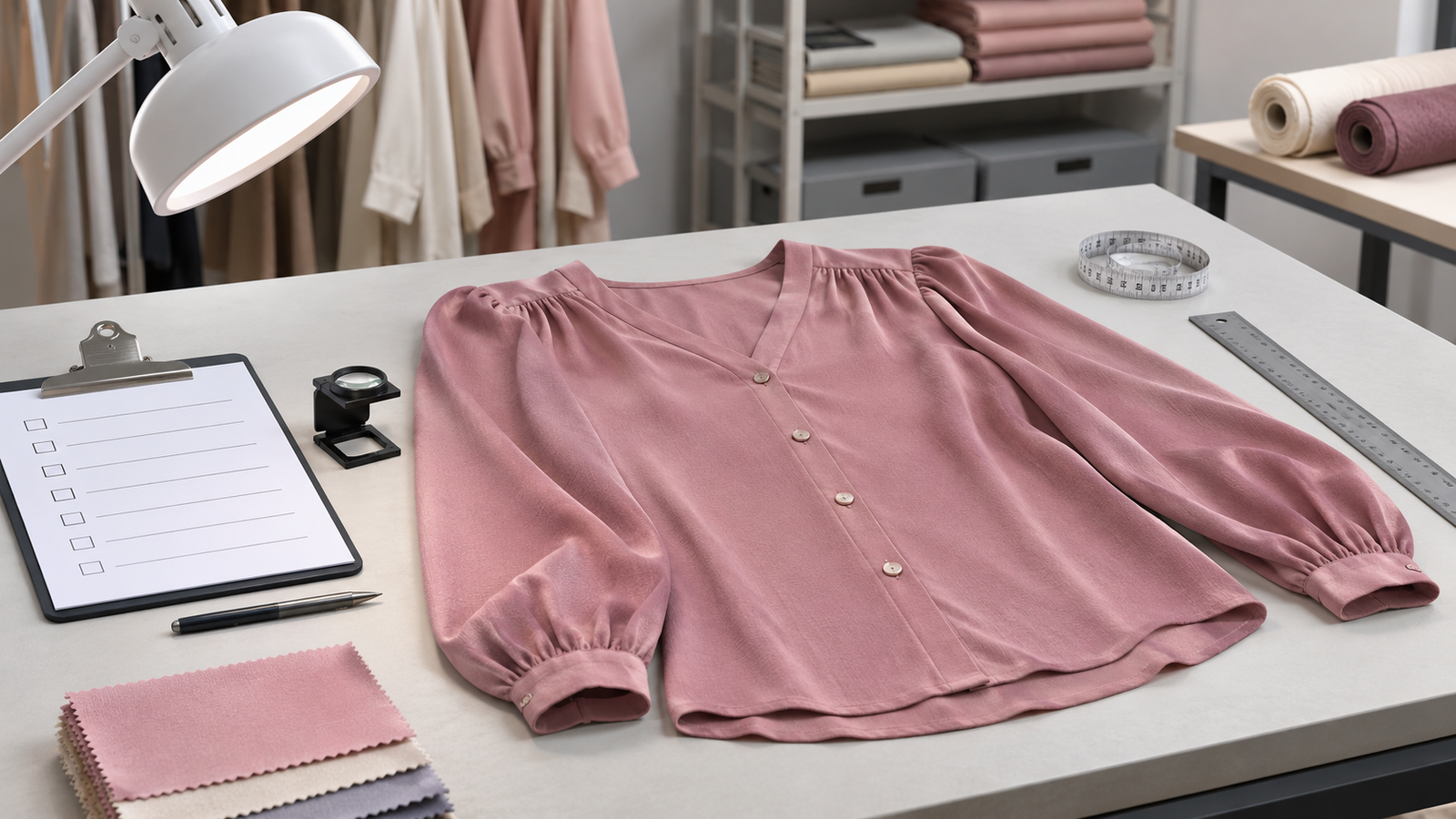
A shade mismatch on the body fabric can lead to a chargeback dispute. Records such as the approved lab dip, the bulk fabric shade check report, and the final inspection report can help establish whether the fabric deviated from the approved standard. Without these documents, resolving the dispute may be more difficult. The checklist above is not bureaucracy; it helps you verify the standard you agreed to pay for. During the quoting stage, ask the factory to explain its QC process or provide suitable sample records. Require the actual order-specific records at the relevant production stages.
A QC program can help reduce rework risk, but it cannot guarantee that rework will never be needed. The work is in the verification, not the hope that it will turn out right.
What to send us
If the specifications above match what you are sourcing, send your tech pack to Orange Sea Clothing. If the pack is not written yet, sketches and a reference sample are enough to start — sample development covers the design review, fabric and trim sourcing, pattern making and the first prototype, so you see fit and construction before you commit to a production run.

Comments