
Women Clothing Sample Development: 7 Proven Steps for Successful Bulk Production
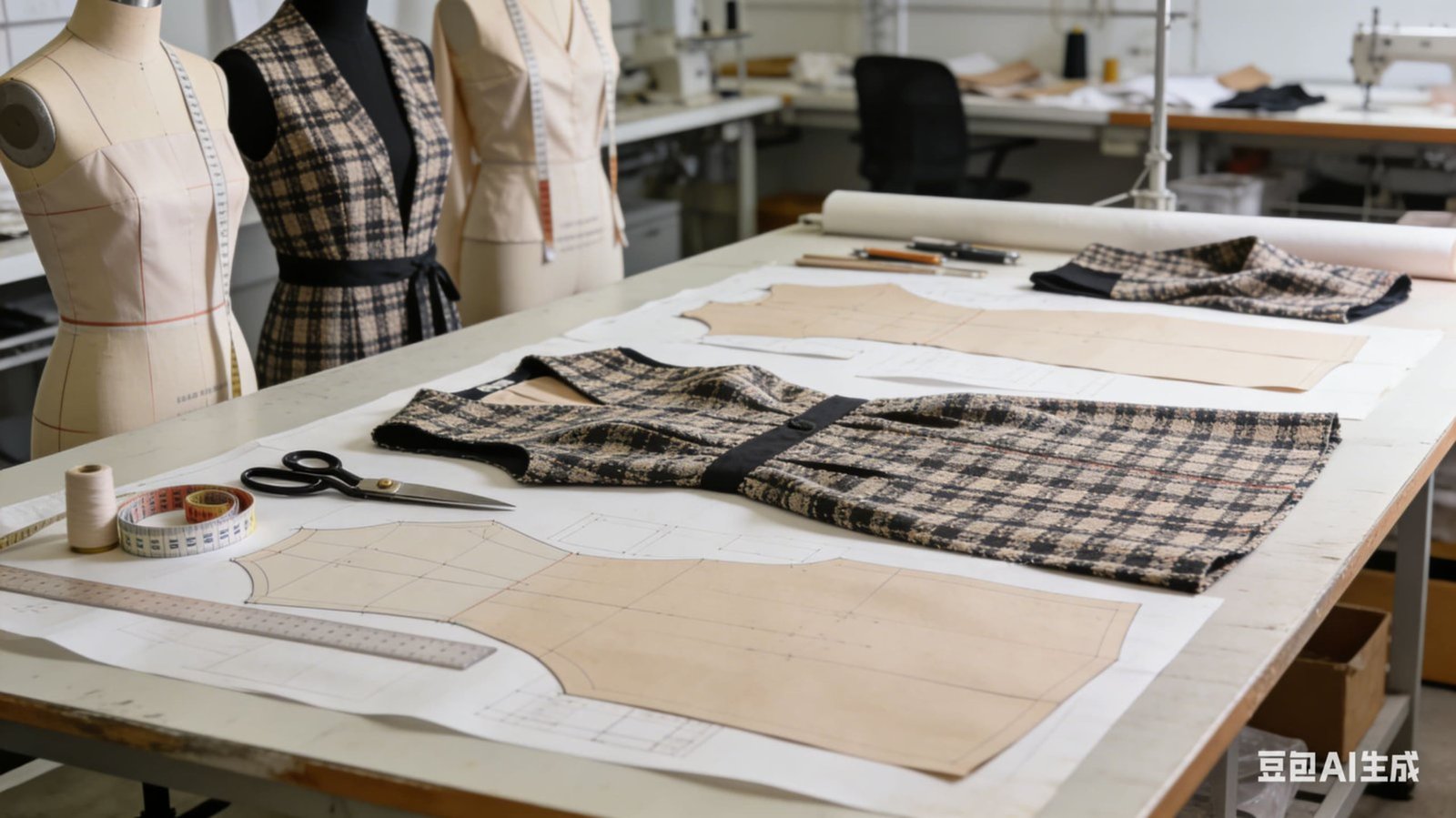
The success of any fashion collection begins long before bulk production starts. One of the most important stages in apparel manufacturing is women clothing sample development. This process transforms a design concept into a physical garment, allowing brands to evaluate fit, construction, fabric performance, and overall quality before investing in large-scale production.
For startups, fashion brands, wholesalers, and private-label businesses, effective women clothing sample development reduces risks, improves communication with manufacturers, and ensures the final product meets customer expectations.
In this article, we’ll explore the complete sample development process, common mistakes to avoid, and why working with an experienced manufacturer can make all the difference.
What Is Women Clothing Sample Development
Women clothing sample development is the process of creating and refining garment samples before bulk production. It involves turning a designer’s sketch or tech pack into a wearable prototype that can be evaluated and adjusted.
The development process usually includes:
- Reviewing technical specifications
- Pattern making
- Fabric sourcing
- Sample sewing
- Fit testing
- Revision and approval
The goal is to ensure that every detail of the garment is perfected before production begins.
Without proper sample development, brands often encounter quality issues, fitting problems, production delays, and unexpected costs.
Why Women Clothing Sample Development Is Important
A professional sample development process helps fashion brands minimize errors and maximize production efficiency.
Reduces Production Risks
Bulk production requires significant investments in materials, labor, and logistics. Producing thousands of units without first testing a sample can result in expensive mistakes.
Through women clothing sample development, manufacturers can identify potential issues such as:
- Construction challenges
- Incorrect measurements
- Fabric incompatibility
- Trim application problems
- Sewing difficulties
By correcting these issues during the sampling phase, brands can avoid costly production errors and reduce material waste.
Improves Garment Fit
Fit is one of the most important factors influencing customer satisfaction and repeat purchases.
A sample garment allows designers and technical teams to evaluate:
- Body proportions
- Ease and comfort
- Sleeve placement
- Shoulder alignment
- Garment balance
After fittings, adjustments can be made before grading and production, ensuring consistency across all sizes.
Well-executed women clothing sample development helps brands achieve a better fit and stronger customer loyalty.
Confirms Fabric Performance
Different fabrics behave differently during manufacturing and daily wear.
Sampling provides an opportunity to test:
- Shrinkage
- Stretch recovery
- Colorfastness
- Durability
- Wrinkle resistance
- Drape and appearance
Testing fabric performance before production helps ensure the final garment meets quality standards and customer expectations.
Women Clothing Sample Development Process
Successful women clothing sample development typically follows several key stages.
Tech Pack Review
Everything begins with a detailed tech pack.
A professional tech pack usually includes:
- Technical sketches
- Construction details
- Size specifications
- Fabric information
- Trim requirements
- Label placement
- Color references
The more detailed the tech pack, the smoother the development process will be.
Clear communication at this stage reduces misunderstandings and shortens development timelines.
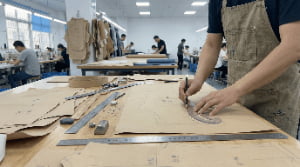
Pattern Making
Pattern making is one of the most critical stages in garment development.
Professional pattern makers translate the designer’s vision into precise templates that determine the garment’s shape and fit.
During this stage, manufacturers focus on:
- Accurate measurements
- Production feasibility
- Fit balance
- Fabric behavior
A well-developed pattern forms the foundation for successful women clothing sample development.
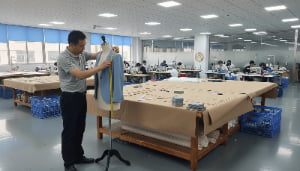
Sample Sewing
Once the pattern is completed, the sample room begins constructing the first garment prototype.
This sample helps evaluate:
- Sewing quality
- Construction techniques
- Fabric suitability
- Trim placement
- Overall appearance
The first sample is rarely perfect. Multiple revisions are often necessary to achieve the desired result.
Experienced sample makers play a vital role in identifying opportunities for improvement before mass production.
Fitting Adjustments
After the first sample is completed, fitting sessions are conducted.
The garment is tested on fit models or mannequins to evaluate:
- Comfort
- Proportion
- Mobility
- Appearance
Common revisions include:
- Length adjustments
- Waist modifications
- Bust corrections
- Sleeve alterations
- Neckline improvements
Each revision moves the garment closer to the final approved version.
Final Approval
Once all revisions are completed, the final sample is approved.
This approved sample serves as the production standard and quality reference for the manufacturing team.
Many brands also request:
- Size set samples
- Pre-production samples (PPS)
- Fit samples
- Salesman samples
These additional stages further ensure consistency and quality during production.
7 Key Steps Before Bulk Production
To summarize, every successful women clothing sample development project should include these seven essential steps:
- Review the tech pack thoroughly.
- Confirm fabric and trim selections.
- Develop accurate garment patterns.
- Produce the initial sample.
- Conduct fitting evaluations.
- Implement necessary revisions.
- Approve the final production sample.
Following these steps helps brands reduce risks and improve production outcomes.
Common Sample Development Mistakes
Even experienced fashion brands occasionally encounter problems during sample development.
Incomplete Tech Packs
Missing specifications often lead to misunderstandings and incorrect sample construction.
Ignoring Fit Feedback
Approving samples without thorough fitting evaluations can result in customer complaints and product returns.
Choosing Fabrics Too Late
Changing fabrics after development can significantly delay production schedules.
Rushing the Approval Process
Approving samples too quickly increases the likelihood of discovering problems during bulk production.
Poor Communication
Lack of communication between brands and manufacturers can create unnecessary delays and costly revisions.
Avoiding these mistakes leads to a more efficient and successful women clothing sample development process.
Why Fashion Brands Choose Orange Sea Clothing
Orange Sea Clothing specializes in professional OEM and ODM manufacturing services for fashion brands worldwide.
With more than eight years of experience in women’s apparel manufacturing, we help clients transform ideas into market-ready products through a complete sample development process.
- Tech pack review
- Pattern development
- Fabric sourcing
- Sample production
- Size grading
- Bulk manufacturing
- Quality control
Our experienced development team works closely with clients to ensure every sample meets their exact requirements before production begins.
Whether you’re launching a startup brand or scaling an established fashion business, Orange Sea Clothing provides reliable support throughout every stage of women clothing sample development.
Industry Resources for Fashion Brands
Fashion professionals can stay informed about industry trends, textile innovations, and apparel manufacturing developments through trusted resources such as:
Conclusion
Women clothing sample development is a crucial step in transforming fashion concepts into high-quality finished garments. By investing time and attention into sample development, brands can improve fit, verify construction quality, test fabric performance, and reduce production risks.
Following a structured development process helps ensure smoother manufacturing, better product quality, and higher customer satisfaction.
If you’re looking for a trusted manufacturing partner, Orange Sea Clothing offers comprehensive OEM and ODM solutions designed to support your brand from sample development to bulk production.
Comments