
OEM Women’s Clothing Manufacturer: Ultimate Guide for Successful Fashion Brands in 2026
As competition in the fashion industry continues to grow, brands need more than attractive designs to succeed. Product quality, reliable production, consistent sizing, and strong brand identity all play a critical role in building a profitable apparel business. This is why many fashion entrepreneurs, wholesalers, and retailers choose to work with an OEM women’s clothing manufacturer.
OEM manufacturing allows brands to develop custom products based on their own designs and specifications while maintaining complete control over branding and quality standards. Whether you are launching a startup label, scaling an online boutique, or expanding a wholesale clothing business, partnering with an experienced manufacturer can significantly improve your efficiency and profitability.
What Is an OEM Women’s Clothing Manufacturer?
An OEM (Original Equipment Manufacturer) produces garments according to a customer’s specific requirements. Instead of purchasing ready-made products, brands can develop unique collections that reflect their own vision and market positioning.
An OEM women’s clothing manufacturer typically provides:
- Custom apparel development
- Pattern making services
- Fabric sourcing
- Sample production
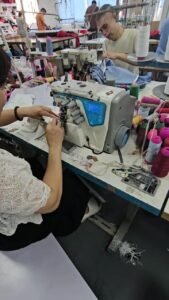
- Bulk manufacturing
- Private labeling
- Quality control inspections
- Custom packaging solutions
This production model is ideal for fashion brands that want exclusive products rather than generic wholesale inventory.
OEM vs ODM vs Private Label Manufacturing
Many fashion brands confuse OEM, ODM, and private label manufacturing. Understanding the differences can help you select the right production model.
| Manufacturing Type | Design Ownership | Customization Level | Best For |
|---|---|---|---|
| OEM | Brand Owns Design | High | Established Brands & Startups |
| ODM | Factory Owns Design | Medium | Fast Product Launches |
| Private Label | Factory Product + Your Brand | Medium | Retailers & Boutiques |
OEM manufacturing offers the highest level of customization, making it the preferred choice for brands that want complete control over product development.
According to
The Business of Fashion
private label and custom apparel manufacturing continue to be major growth drivers for independent fashion brands.
Fashion entrepreneurs can also explore sourcing and branding strategies through resources published by
Shopify
which provides practical guidance for launching and scaling clothing businesses.
Industry market data published by
Statista
shows continued growth in the global apparel market, creating opportunities for brands investing in custom product development.
Benefits of Working With an OEM Women’s Clothing Manufacturer
Create Exclusive Products
One of the biggest advantages of OEM manufacturing is the ability to create unique garments tailored to your target market.
Instead of selling the same products as competitors, you can offer:
- Exclusive silhouettes
- Custom fabric combinations
- Unique sizing standards
- Special construction details
- Branded packaging experiences
Build Stronger Brand Identity
Consumers are increasingly looking for authentic brands rather than generic products. OEM manufacturing allows businesses to strengthen brand recognition through consistent product design and quality.
Improve Profit Margins
Custom products often command higher prices than standard wholesale items because customers perceive them as more valuable and unique.
Popular Products Produced by OEM Women’s Clothing Manufacturers
Professional manufacturers can produce a wide range of women’s apparel categories.
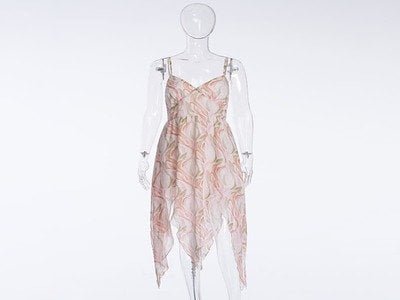
- Dresses
- Matching sets
- Blouses
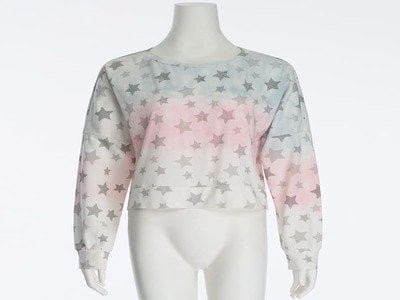
- Tops
- Skirts
- Pants
- Resort wear
- Lounge wear
- Fashion outerwear
- Private label collections
The OEM Clothing Development Process
Step 1: Design Submission
Brands provide sketches, reference images, measurements, or technical packages.
A complete tech pack may include:
-
- Garment measurements
- Construction details
- Fabric requirements
- Color specifications
- Artwork placement
- Label instructions
If you are launching a new fashion brand, working with a custom women’s clothing manufacturer can help you develop exclusive products while maintaining full control over quality and branding.
Step 2: Fabric and Trim Sourcing
Manufacturers source materials according to product specifications and target pricing.
Popular fabrics include:
- Cotton
- Rayon
- Viscose
- Polyester blends
- Linen
- Satin
- Nylon blends
Many growing brands combine OEM production with OEM women’s clothing services to create scalable product lines and improve operational efficiency.
Step 3: Sample Development
Samples are produced before mass production begins. This stage allows brands to review fit, quality, measurements, and construction.
Before starting your project, you can contact our team to discuss fabrics, MOQ requirements, and product development options.
Step 4: Bulk Production
Once samples are approved, production moves into large-scale manufacturing.
Step 5: Quality Inspection
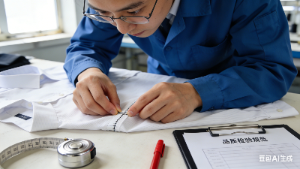
Professional factories implement multiple inspection stages to ensure product consistency and reduce defects.
Comments