
OEM vs ODM Clothing: 7 Key Differences Every Brand Must Know
OEM vs ODM is one of the most important decisions when starting a fashion brand. Understanding the difference between OEM vs ODM clothing helps you choose the right manufacturing strategy, control costs, and scale your business faster.
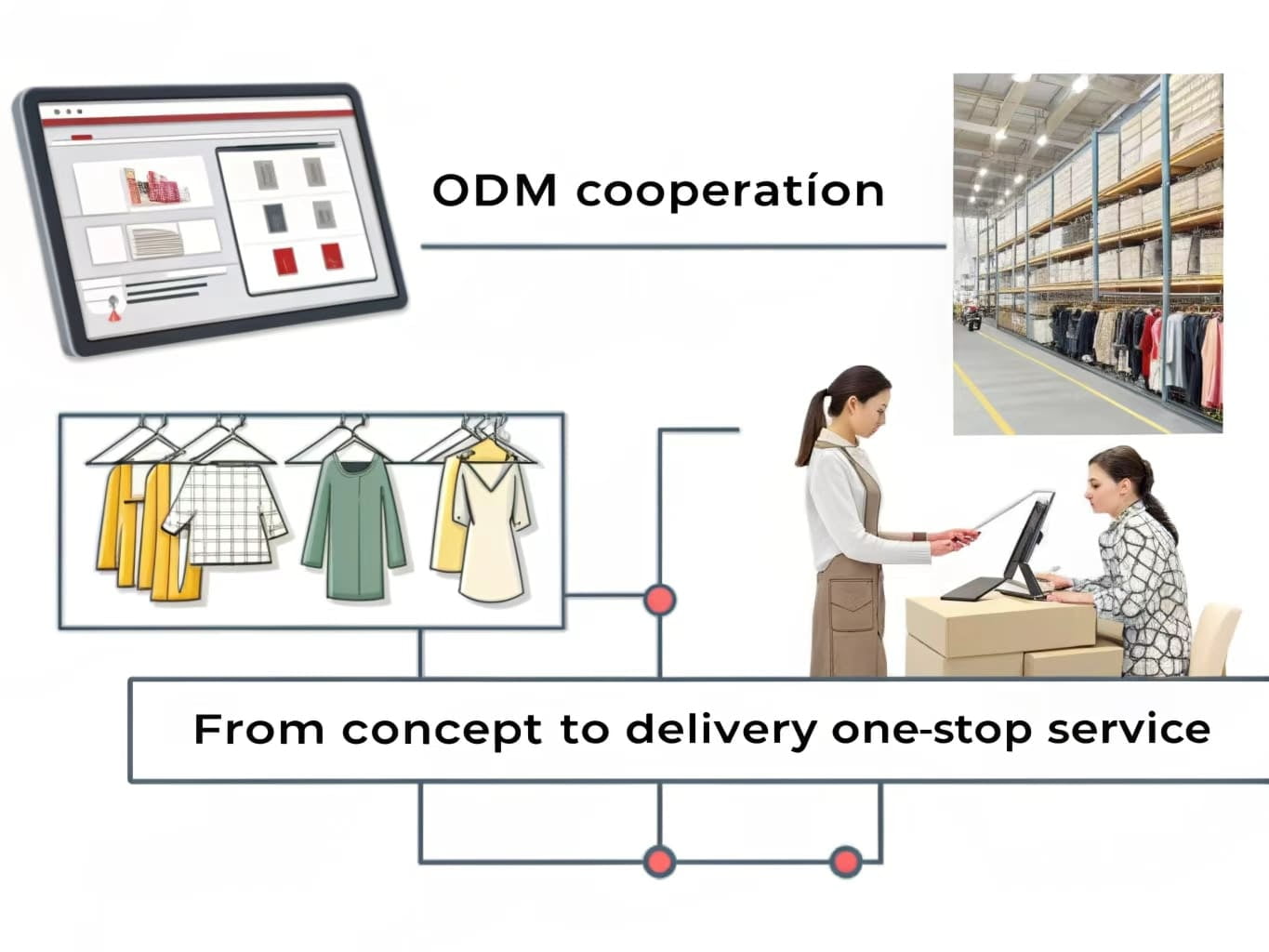
What is OEM vs ODM Clothing?
OEM vs ODM clothing refers to two different production models in the fashion industry.
- OEM (Original Equipment Manufacturing) – You provide your own design, and the factory produces it
- ODM (Original Design Manufacturing) – The factory provides design and production
OEM vs ODM Clothing: Key Differences
1. Design Control
With OEM vs ODM clothing, OEM gives you full design control, while ODM relies on factory designs.
2. Speed to Market
ODM is faster because designs are ready, while OEM requires development time.
3. Cost
OEM usually has higher development costs, while ODM is more cost-effective for beginners.
4. Branding
OEM allows stronger brand identity, which is important for long-term growth.
5. Flexibility
OEM offers more flexibility in fabrics and customization.
6. Risk Level
ODM reduces risk because products are already tested.
7. Scalability
OEM is better for scaling a unique brand.
Which Should You Choose?
Choosing between OEM vs ODM depends on your business stage.
- Startups → ODM for faster launch
- Growing brands → OEM for brand building
Best Strategy for Fashion Brands
The best approach is combining both:
- Start with ODM to test products
- Switch to OEM after validation
👉 Explore solutions:
OEM & ODM Clothing Manufacturer
Industry Insight
Business of Fashion shows that brands validating demand early scale faster.
Conclusion
OEM vs ODM clothing is not about which is better—it is about choosing the right strategy at the right time.
👉 Start your brand today:
Get Free Quote
Start Your Clothing Brand Today
Looking for a reliable OEM women clothing manufacturer?
- ✔ Low MOQ for startups
- ✔ Custom design support
- ✔ Premium fabric sourcing

Comments