
Clothing Production Cost: 7 Powerful Ways to Reduce Expenses
Understanding clothing production cost is essential for building a profitable fashion brand. Many businesses underestimate total manufacturing expenses, which can lead to pricing mistakes and reduced margins. In this guide, we break down the key cost components and share practical strategies to help you optimize your production budget.
What is Clothing Production Cost
The clothing production cost includes all expenses involved in turning a design into a finished garment. These costs typically cover materials, labor, development, packaging, and logistics. Having a clear understanding of these elements allows brands to manage their budgets more effectively.
1. Fabric and Material Expenses
Fabric is usually the largest part of overall manufacturing expenses. The type, quality, and quantity of material directly influence your total cost. Premium fabrics increase pricing, while standard materials can help reduce your budget.
2. Labor and Production Complexity
Labor costs vary depending on the complexity of the garment. Simple designs are quicker to produce, while detailed styles require more skilled work and time, increasing overall expenses.
3. Sample Development and Testing
Before mass production, sample development is necessary to test fit, construction, and fabric performance. This stage requires investment but helps prevent costly mistakes later.
Learn more in our guide on clothing sample development.
4. Order Quantity and Unit Cost
The size of your order significantly impacts your cost per piece. Larger production runs reduce unit costs, while small batch orders increase pricing due to lower efficiency.
If you are starting small, explore options in our article on low MOQ clothing manufacturer.
5. Production Efficiency and Workflow
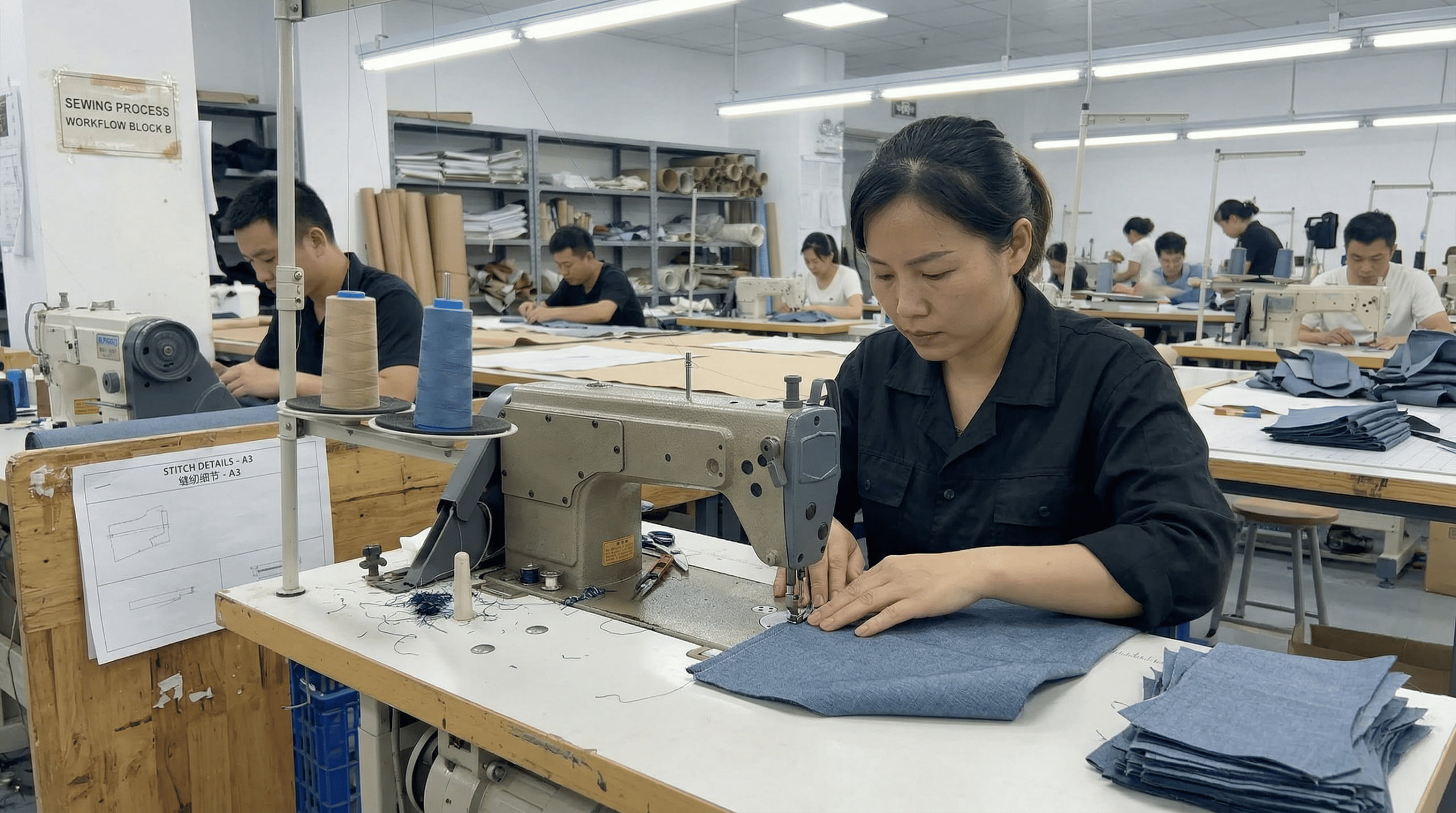
Efficient production systems help reduce waste and improve productivity. Well-managed factories can lower manufacturing costs without sacrificing quality.
6. Packaging and Shipping Costs
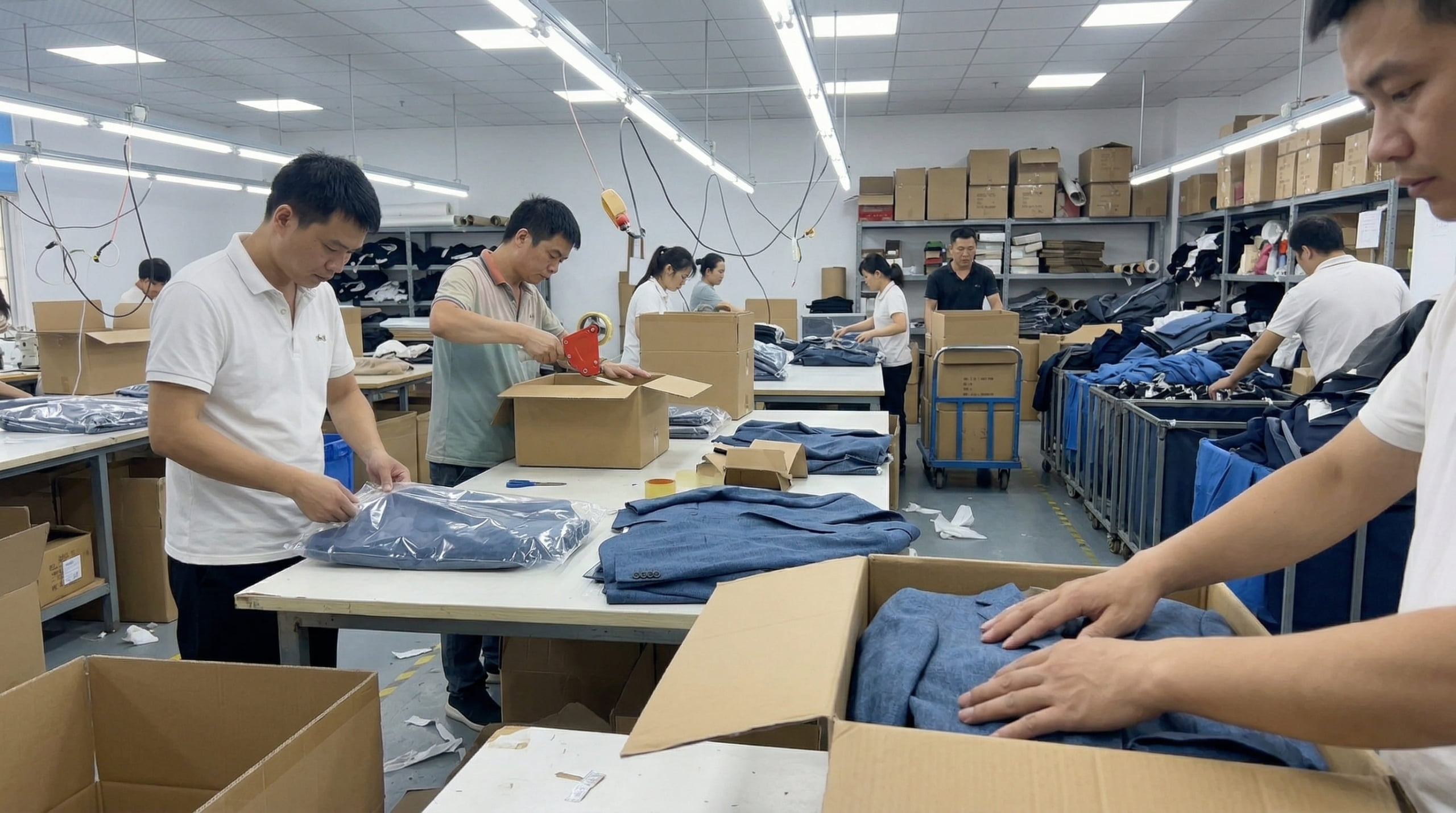
Packaging and logistics are often overlooked but play a significant role in total expenses. Choosing the right shipping method helps control delivery costs.
You can explore global logistics solutions at DHL logistics services.
7. Quality Control and Risk Management
Investing in quality control reduces defects and returns. Poor quality can lead to hidden costs that impact your overall profitability.
How to Optimize Your Production Budget
To manage your manufacturing budget effectively, focus on smart design choices, suitable materials, and efficient production planning. Working with experienced suppliers can also improve cost control.
Partnering with a reliable OEM women clothing manufacturer helps ensure consistent quality and competitive pricing.
Common Mistakes to Avoid
Many brands focus only on finding the lowest price. However, choosing the cheapest option often leads to poor quality and delays. A balanced approach between cost and reliability is essential.
If you are new to sourcing, read our guide on how to find a reliable clothing manufacturer.
Why Cost Control Matters
Effective cost management allows you to price your products competitively while maintaining healthy profit margins. It also helps you scale your business sustainably.
Start Your Clothing Line Today
Looking to better manage your clothing production cost? We provide competitive pricing, low MOQ, and full OEM/ODM services to support your brand growth.




Comments