
Clothing Manufacturing Process: 9 Essential Steps You Must Know
The clothing manufacturing process is the foundation of the fashion industry. Whether you are starting a fashion brand or scaling your business, understanding how garments are made will help you control quality, reduce costs, and work effectively with suppliers.
If you are starting your brand, read our guide on how to start a fashion brand.
What is the Clothing Manufacturing Process
The clothing manufacturing process refers to the complete workflow of turning a design idea into a finished garment. It includes multiple stages such as design development, fabric sourcing, pattern making, cutting, sewing, and final packaging.
Before production begins, sample approval is required. Learn more about clothing sample development.
1. Design Development
The first step in the clothing manufacturing process is design development. This includes sketches, tech packs, and defining the overall concept of the garment.
2. Fabric Sourcing
Fabric selection is critical because it determines the look, feel, and durability of the garment. Choosing the right material ensures your product meets customer expectations.
3. Pattern Making
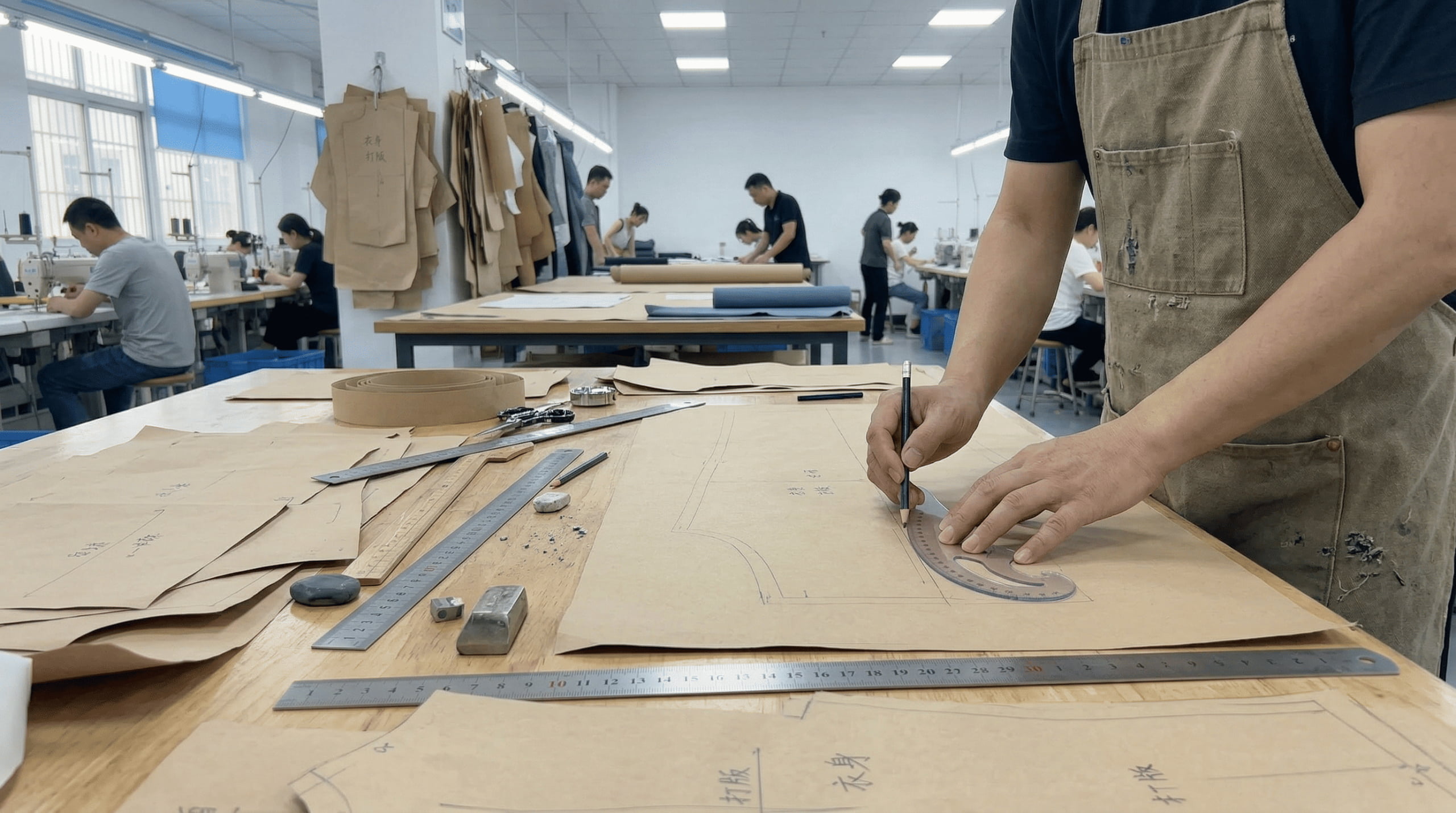
Pattern making is a key stage in the clothing manufacturing process. It transforms your design into a technical blueprint that guides production.
4. Sample Development
Before bulk production, manufacturers create samples to test the design, fit, and quality. This step helps identify and fix any issues early.
If you are new to production, check our guide on how to find a reliable clothing manufacturer.
5. Fabric Cutting
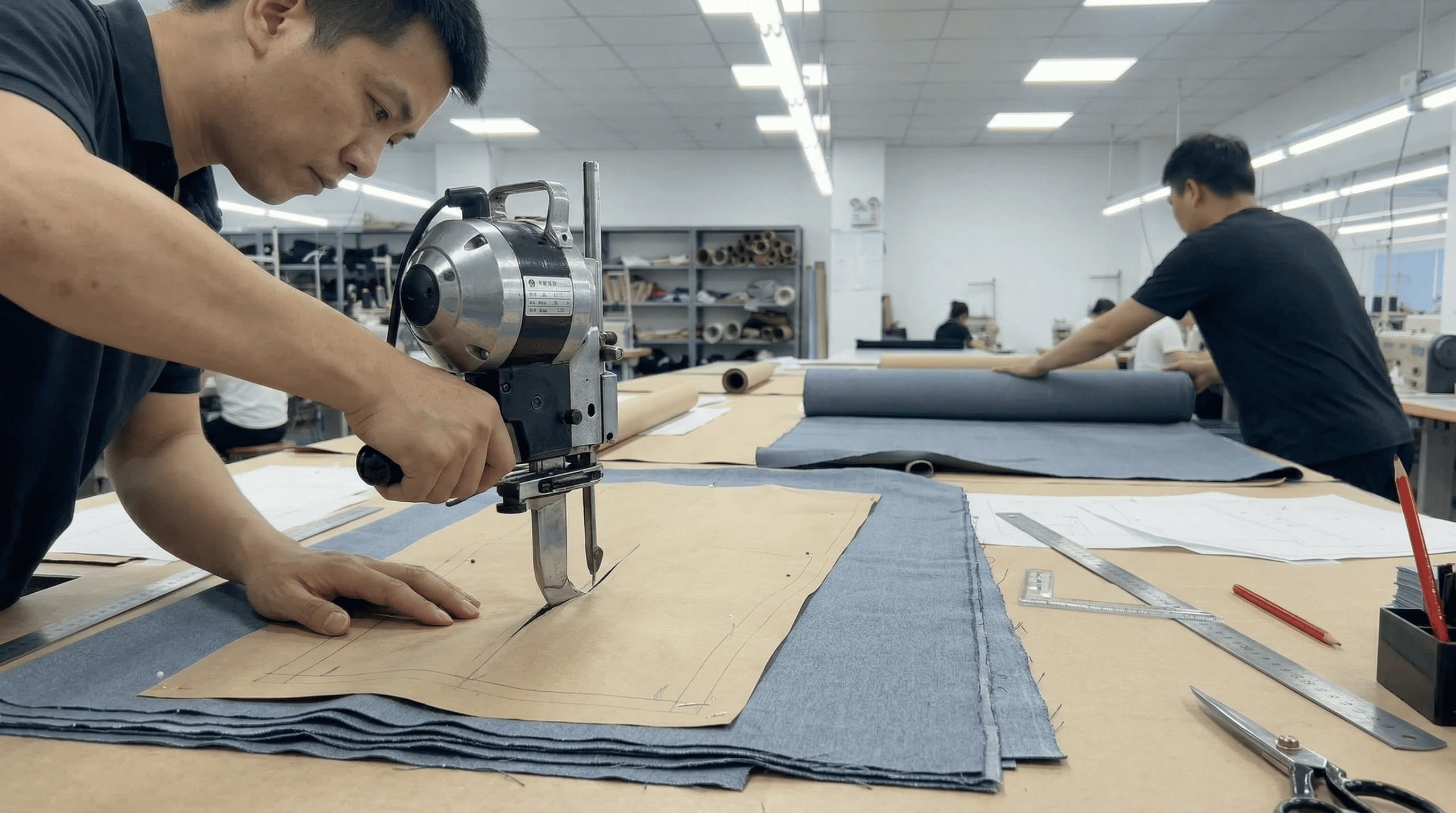
Fabric cutting is where materials are cut according to the pattern. Accuracy in this stage is essential to ensure consistency in sizing and design.
6. Sewing and Assembly
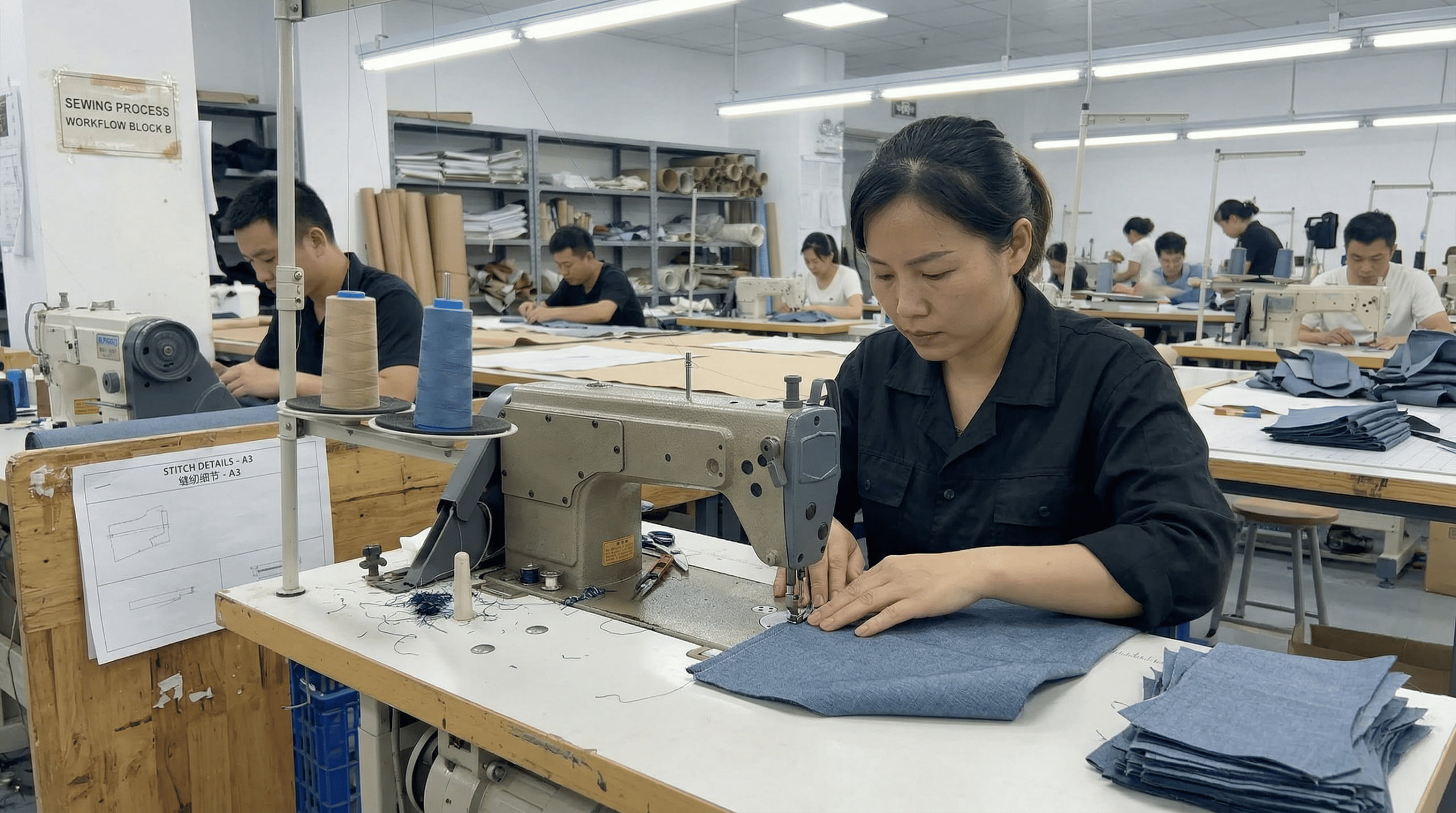
Sewing is the stage where all components are assembled into a finished garment. Skilled workers and advanced machinery ensure high-quality stitching and durability.
7. Quality Control
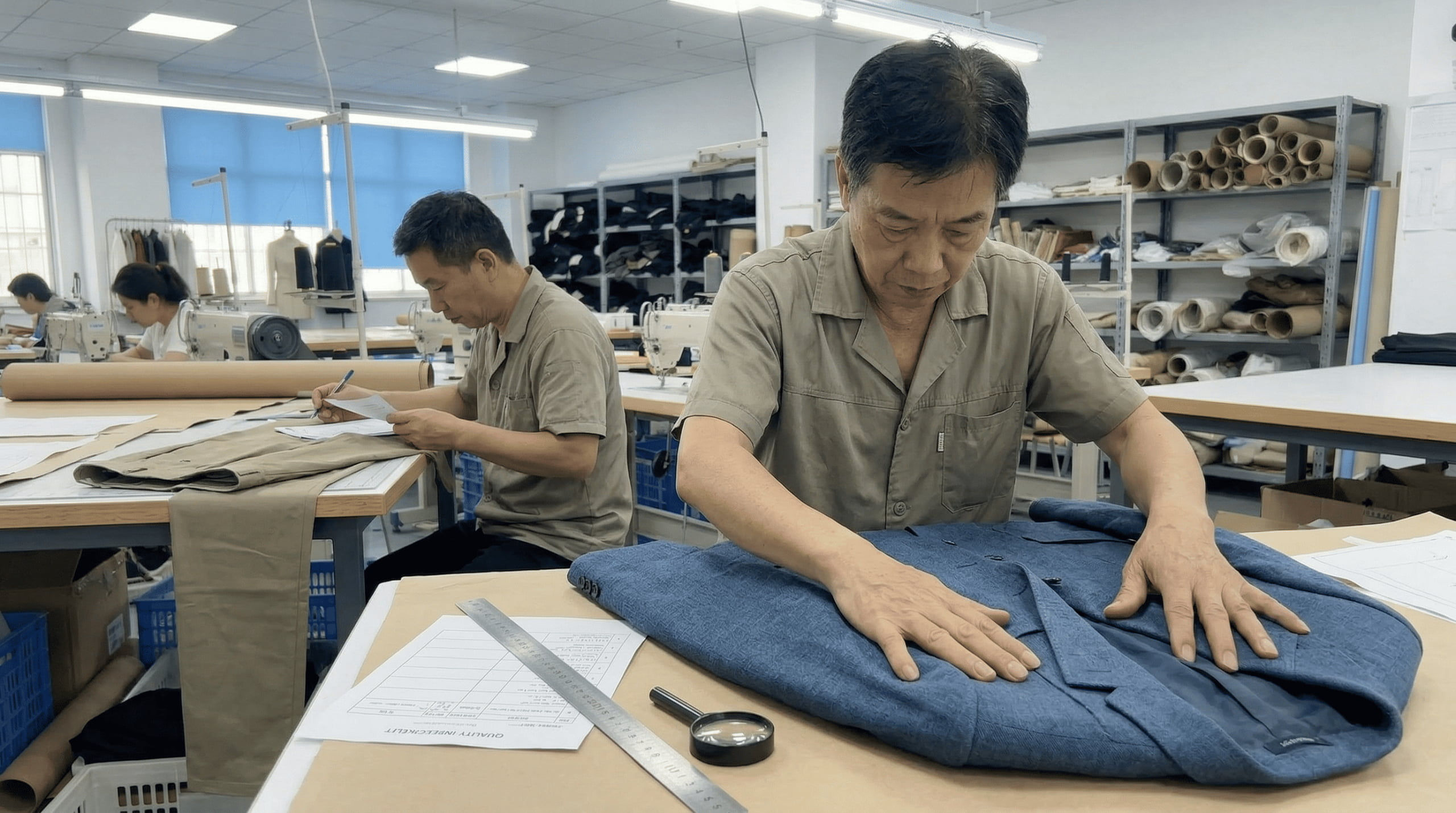
Quality control is one of the most important steps in the clothing manufacturing process. Each garment is inspected to ensure it meets required standards.
To understand industry standards, you can visit Fibre2Fashion textile resource for more information.
8. Finishing and Packaging
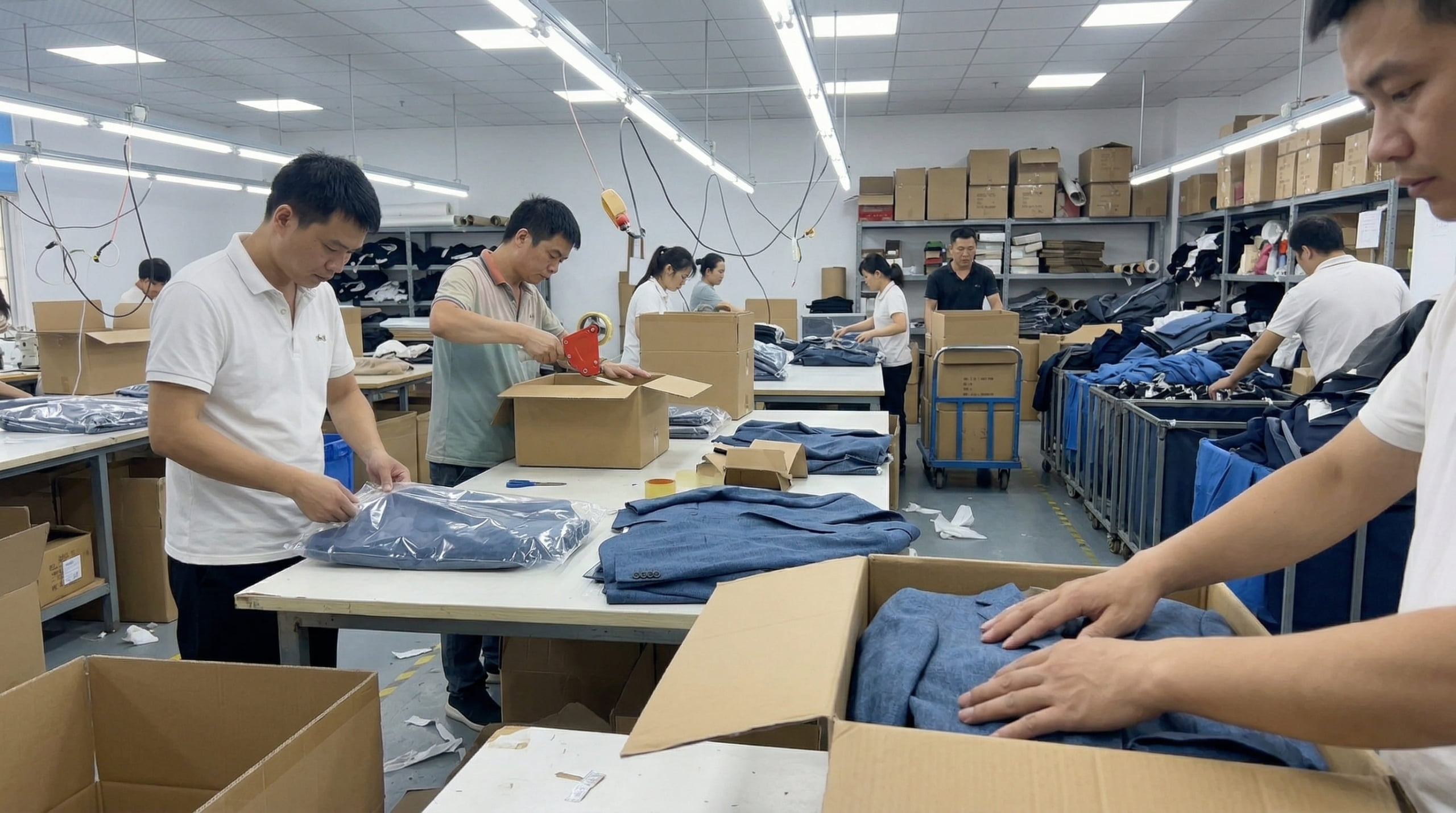
After inspection, garments go through finishing processes such as ironing, labeling, and packaging before shipment.
9. Shipping and Delivery
The final step in the clothing manufacturing process is shipping. Choosing the right logistics method ensures your products arrive on time and in good condition.
You can also explore global shipping solutions at DHL logistics services.
Why Understanding the Clothing Manufacturing Process is Important
Knowing the clothing manufacturing process helps you communicate better with suppliers, avoid production mistakes, and improve product quality.
If you want to build your own brand, working with a professional OEM women clothing manufacturer can simplify the entire process.
Common Mistakes in the Manufacturing Process
Many brands overlook important steps such as sampling and quality control. Skipping these steps can lead to costly errors and poor customer satisfaction.
You can also learn about production models in our article on OEM vs ODM clothing.
Conclusion
The clothing manufacturing process involves multiple steps that require careful planning and execution. Understanding each stage will help you build a successful fashion brand and avoid common pitfalls.
Start Your Clothing Line Today
Looking for a reliable partner to handle the full clothing manufacturing process? We offer low MOQ, fast sampling, and complete OEM/ODM services.
Looking for a full-service partner? Visit our women clothing manufacturer.




Comments