
Introduction
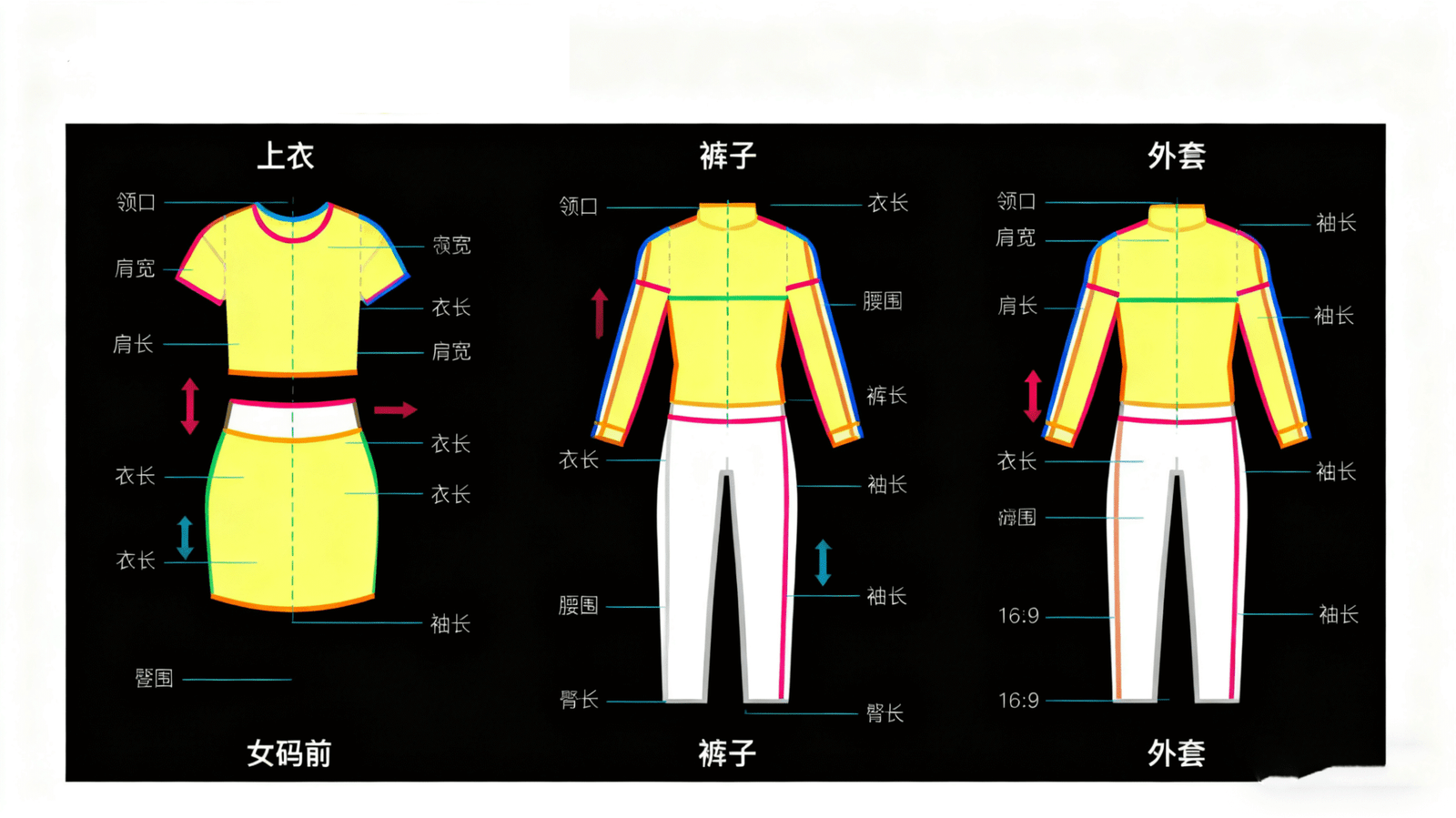
In the clothing production process, women’s size to men’s size conversion for clothing factories is a common scenario to meet diverse market demands. Whether expanding a brand’s men’s clothing line, optimizing inventory restructuring, or undertaking cross-gender size orders, accurate women’s to men’s size conversion can help factories reduce costs and improve order adaptability. This article details the core logic, practical steps, and Google SEO optimization key points of women’s size to men’s size conversion for clothing factories, helping factories efficiently complete size conversion and seize more market share.
I. Core Logic of Women’s Size to Men’s Size Conversion in Clothing Factories
1. Underlying Logic of Core Differences Between Men’s and Women’s Sizes
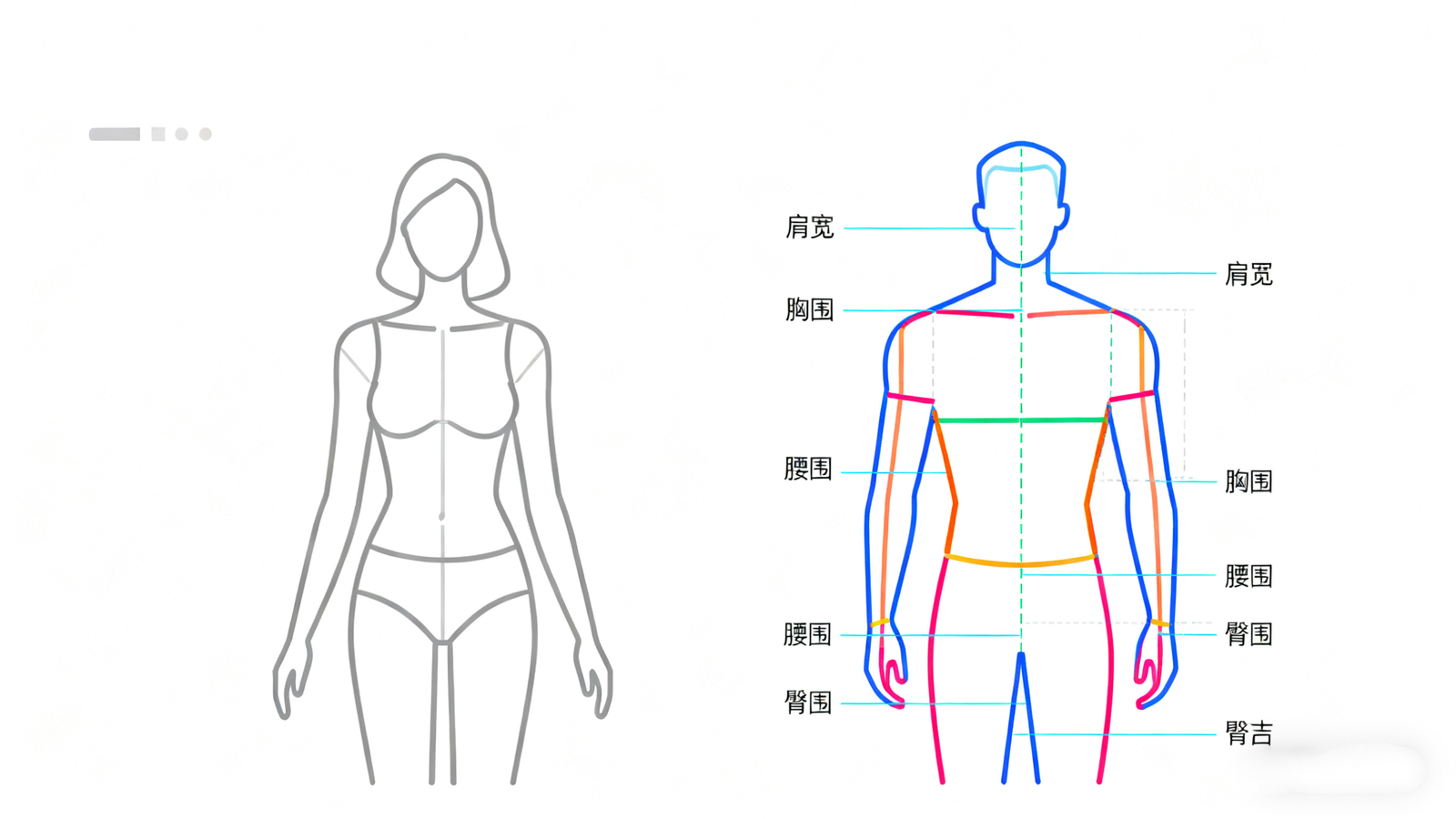
Physical differences between men and women are the fundamental basis for size conversion. Women’s body types typically feature narrow shoulders, slim waists, and wide hips, while men are characterized by broad shoulders, thicker waists, and narrow hips. Women’s to men’s size conversion in clothing factories needs to focus on four core dimensions: widening shoulder width, loosening waist circumference, lengthening garment length, and narrowing hip circumference. It also needs to take into account the version characteristics of different categories (tops/pants/jackets).
2. Core Principles of Size Conversion
- Data-first: Based on industry-standard size charts and combined with the factory’s own version database to avoid subjective adjustments.
- Version adaptation: Conversion coefficients vary for casual wear, formal wear, and sportswear, requiring targeted adjustments (e.g., sportswear needs to reserve more activity space).
- Fitting verification: After conversion, real-person fitting or 3D modeling testing is required to ensure fit and comfort.

II. Practical Steps for Women’s Size to Men’s Size Conversion in Clothing Factories
1. Preparatory Work: Data Collection and Analysis
- Integrate industry standards: Collect mainstream men’s and women’s clothing size standards such as GB, ISO, and ASTM to establish a basic data comparison table.
- Sort out factory versions: Extract the factory’s own women’s clothing size matching data and clarify core dimensions (shoulder width, bust, waist circumference, garment length, etc.).
- Target audience positioning: Determine the male target group according to order requirements (e.g., young people, middle-aged people, loose/slim fit versions) and adjust conversion priorities.
2. Core Conversion: Size Calculation and Version Adjustment
- Basic size conversion formulas (general reference):
- Men’s shoulder width = Women’s shoulder width × 1.1~1.2 (adjust according to version looseness)
- Men’s bust = Women’s bust × 1.05~1.1 (smaller value for formal wear, larger value for casual wear)
- Men’s waist circumference = Women’s waist circumference × 1.1~1.15 (avoid being too tight to fit men’s abdominal characteristics)
- Men’s garment length = Women’s garment length × 1.03~1.08 (focus on tops; for pants, adjust pant length and crotch length)
- Version detail optimization: Adjust armhole depth, leg width, and collar size to fit men’s body movement habits.
3. Post-Conversion Verification: Fitting Testing and Batch Adjustment
- Sample fitting: Produce 3~5 sample garments, invite target customers to try them on, and record size feedback (e.g., too narrow shoulder width, insufficient garment length).
- Data correction: Fine-tune conversion coefficients based on fitting results to form a factory-specific women’s to men’s size comparison table.
- Confirmation before mass production: Conduct a second test on the revised version to ensure the qualification rate reaches over 95% before starting mass production.
III. Notes for Women’s Size to Men’s Size Conversion in Clothing Factories
1. Avoid One-Size-Fits-All Conversion
The elasticity and drape of different fabrics will affect the fit. For example, the conversion coefficient for elastic fabrics can be slightly smaller, while non-elastic fabrics need to reserve more allowance.
2. Compliance and Labeling Standards
The converted men’s sizes must meet the size labeling requirements of the target market. Clearly mark “converted version” and the corresponding standard men’s size to avoid consumer misunderstanding.
3. Cost Control Key Points
Prioritize adjusting existing women’s versions to reduce pattern re-development costs; optimize cutting layout during batch conversion to reduce fabric waste.
IV. Frequently Asked Questions (FAQ)
Q1: How to ensure the version does not have an awkward fit after converting women’s sizes to men’s sizes?
A: Focus on optimizing the ratio of shoulder line to waist line. Men’s shoulder lines need to be straighter, and the waist line position should be slightly lower than that of women’s versions. At the same time, adjust the overall silhouette to avoid the awkward fit of “enlarged women’s styles”.
Q2: What are the differences in women’s to men’s size conversion for different categories?
A: For tops, focus on shoulder width, bust, and garment length; for pants, focus on adjusting crotch length, pant length, hip circumference, and thigh circumference; for jackets, increase shoulder pad thickness and bust allowance to enhance stiffness.
Q3: How to quickly establish a factory-specific conversion standard?
A: Based on 3~5 best-selling women’s styles, complete fitting and data accumulation to form a conversion coefficient library for core categories, which can be directly reused and fine-tuned for subsequent orders.
Conclusion
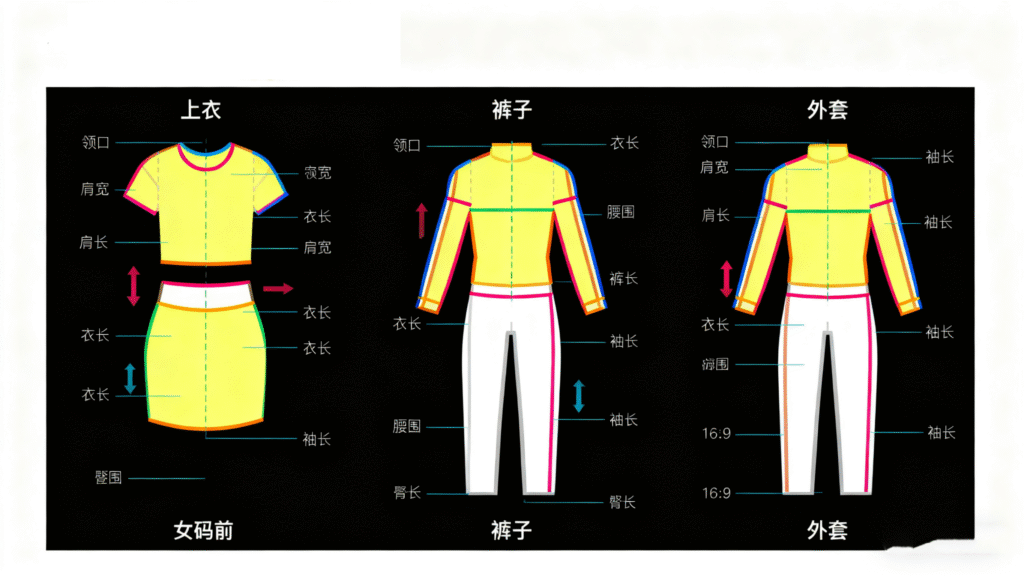
Women’s size to men’s size conversion in clothing factories is not a simple size enlargement, but a systematic project based on physical differences between men and women, version characteristics, and market demands. Through scientific data comparison, accurate version adjustment, and strict fitting verification, factories can efficiently complete size conversion and enhance order scope and market competitiveness.




Comments