
2026 World Cup Apparel Supplier: Sustainable Trends, Tech Innovations & Global Market Leaders
As the 2026 FIFA World Cup in North America approaches, the demand for high-quality, culturally resonant football apparel is soaring to new heights. A World Cup apparel supplier is no longer just a manufacturer—they are a key player in translating national pride, athletic performance needs, and global sustainability goals into wearable products. From the streets of Mexico City to stadiums in Los Angeles, the right apparel supplier can turn tournament excitement into lasting brand loyalty and record-breaking sales. Let’s explore the latest trends, innovative practices, and critical factors that define top World Cup apparel suppliers in 2026.
Key Trends Shaping Today’s World Cup Apparel Supplier
The global football apparel market is evolving rapidly, driven by consumer demands for sustainability, technology, and personalization. Leading World Cup apparel suppliers are adapting these trends to stay ahead of the competition.
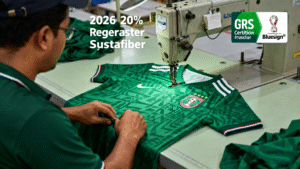
- Sustainability as a Core Standard: Modern suppliers prioritize eco-friendly practices, with many adopting 100% recycled polyester fabrics for official kits . Brands like Adidas and niche manufacturers now use bio-based coatings and recycled PET materials, reducing carbon footprints by up to 38% compared to traditional production . Certifications like GRS (Global Recycled Standard) and Bluesign® have become essential trust signals for buyers .
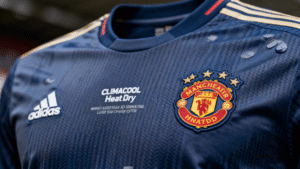
- Tech-Infused Performance: Functional innovation is non-negotiable for a top World Cup apparel supplier. Technologies like Adidas’ CLIMACOOL and heat.rdy systems regulate temperature across the host nations’ varied climates, while 3D-printed crests and silicone logos reduce weight and friction for athletes . Advanced fabrics with moisture-wicking dual layers and sweat-stain resistance are now standard for both players and fans .
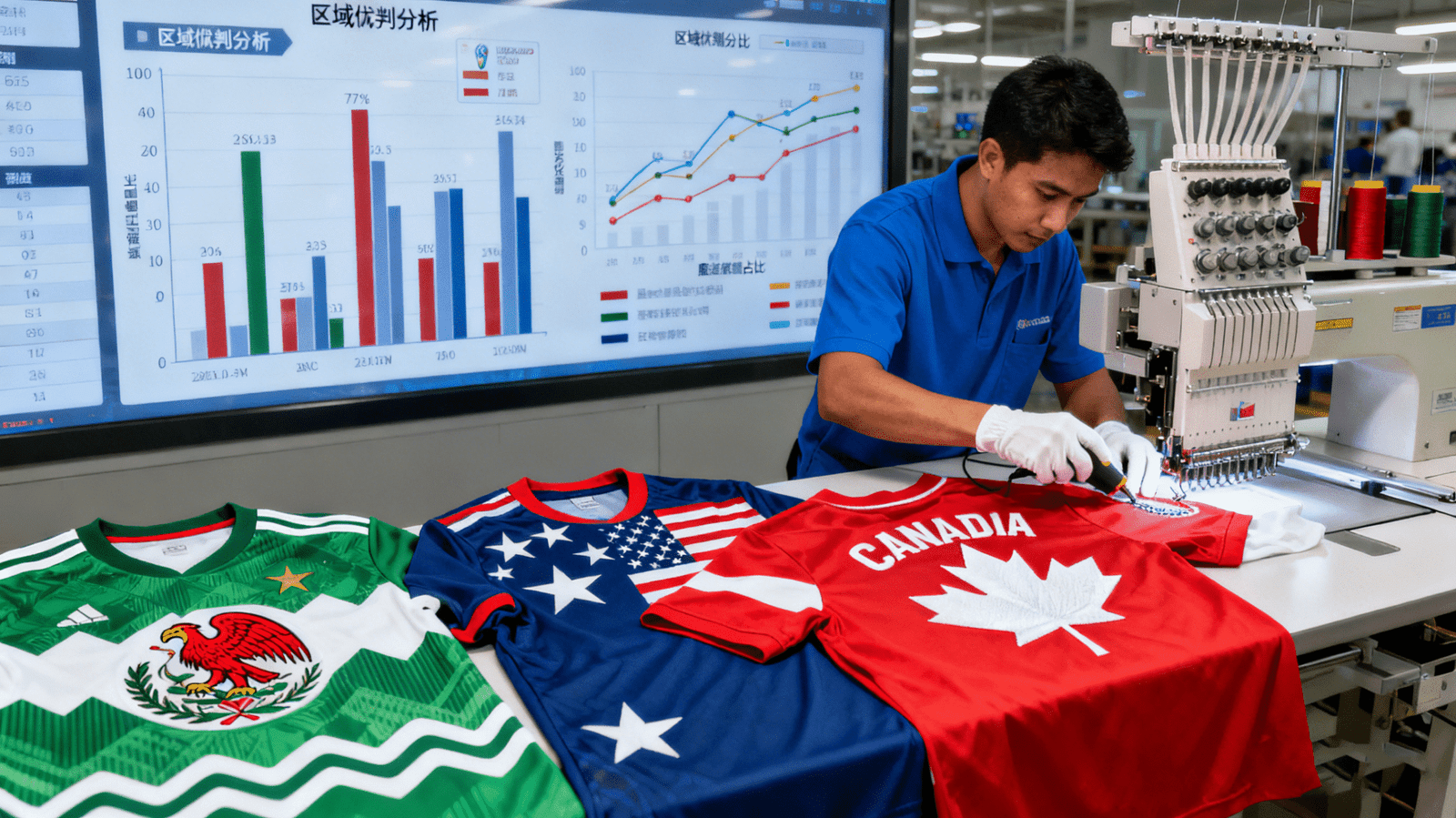
- Customization at Scale: Consumer demand for personalized apparel is booming, with custom World Cup apparel supplier services accounting for nearly 60% of growth in the segment . Suppliers leverage flexible supply chains to offer team-specific designs, national flag elements, and even fan-name embroidery, while data analytics help tailor products to regional preferences—like Mexico-themed kits dominating orders from Latin America .
-

World Cup Apparel Supplier Article
What Makes a Leading World Cup Apparel Supplier Stand Out?
Beyond trends, top suppliers distinguish themselves through operational excellence, global adaptability, and strategic foresight.
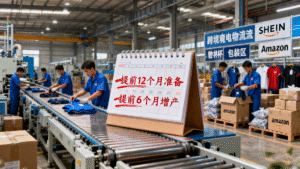
- Agile Supply Chain Management: The best World Cup apparel supplier anticipates demand cycles, with seasoned players like Chinese manufacturers preparing designs 12 months in advance and ramping up production 6 months before kickoff . They leverage cross-border platforms like SHEIN and Amazon to reach global buyers, while maintaining backup factories to handle sudden order surges—critical during the post-qualification peak .
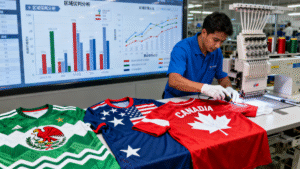
- Cultural and Market Alignment: Successful suppliers blend global appeal with local relevance. For 2026, this means integrating design elements from host nations (US, Canada, Mexico) into kits , while catering to high-consumption markets like North America where fan spending on apparel outpaces traditional markets . They also track team performance to prioritize production for likely qualifiers, minimizing inventory risks .
- Intellectual Property and Compliance: Trusted World Cup apparel suppliers invest in IP protection, with leading Chinese manufacturers holding over 100 domestic and 40 international patents for designs and technologies . They adhere to global labor and environmental standards, ensuring products meet the strict requirements of FIFA and retail partners worldwide.
2026 World Cup Apparel Supplier Market Outlook
The 2026 tournament is set to be a record-breaker for apparel suppliers, with unique opportunities driven by geography and consumer behavior.
- Unprecedented Demand Growth: Pre-qualification orders from host nations have already surged 70% year-over-year, with Mexican buyers leading the charge for national team kits . Industry experts predict a 50% further increase in orders once qualifying teams are confirmed, as seen in platform data . Chinese suppliers alone expect to ship over 60 million pieces for the 2026 event—surpassing Qatar 2022 figures .
- Cross-Border E-Commerce Boost: Small and medium-sized suppliers are thriving thanks to platforms like TikTok and SHEIN, which lower market entry barriers and enable direct-to-consumer sales . Content marketing and live streaming are becoming key tools for suppliers to showcase products and drive impulse purchases—especially in markets like the UK where sports merchandise sales are growing at 2.3% CAGR .
- Sustainability as a Differentiator: As regulations and consumer expectations tighten, suppliers without eco-friendly credentials risk being left behind. Brands that invest in recycled materials and transparent supply chains will capture premium market share, as seen in the success of sustainable sportswear lines for events like the World Solar Challenge .
Choosing the Right World Cup Apparel Supplier for 2026
Whether you’re a retailer, sports organization, or fan group, selecting the right supplier requires balancing quality, cost, and alignment with your goals. Prioritize partners with a proven World Cup track record, flexible production capabilities, and certifications that match your brand values. Look for suppliers who offer end-to-end services—from design and prototyping to logistics and post-sales support—to streamline your tournament preparation.
The 2026 World Cup is more than a football event—it’s a global celebration of sport and culture. A top World Cup apparel supplier doesn’t just make clothes; they create connections between fans, teams, and the tournament’s legacy. As the countdown continues, the suppliers who embrace sustainability, technology, and agility will define the look and feel of the most-watched sports event on the planet.

Comments