
H&M Global Contract Manufacturing Factories: Distribution, Management System, and Supply Chain Overview
As a global fast fashion giant, H&M does not own any production facilities. All its products are manufactured through an independent supplier network via outsourcing. As of 2025, the H&M Group collaborates with over 700 independent suppliers worldwide, and these suppliers typically operate their own factories spanning more than 60 countries.
1. Global Distribution of Contract Manufacturing Factories
H&M’s production bases are mainly concentrated in Asia and Europe, with Asia accounting for the largest share. As of January 2022, the number of major production countries and factories is as follows:
|
Country/Region
|
Number of Suppliers
|
Number of Processing Factories
|
Main Product Types
|
|
China
|
355
|
431
|
Full range of products, including knitwear, woven garments, jeans, sportswear, etc.
|
|
Bangladesh
|
–
|
265
|
Basic clothing, T-shirts, shirts, etc.
|
|
Turkey
|
–
|
–
|
Knitwear, outerwear, etc.
|
|
India
|
–
|
–
|
Cotton clothing, handcrafted products, etc.
|
|
Indonesia
|
–
|
–
|
Casual wear, beachwear, etc.
|
|
Myanmar
|
–
|
–
|
Basic clothing
|
|
Vietnam
|
–
|
–
|
Sportswear, casual wear, etc.
|
2. Major Contract Manufacturing Factories in China
China is H&M’s largest production base, with major contract manufacturing factories distributed in Guangdong, Zhejiang, Jiangsu, Shenzhen and other regions:
-
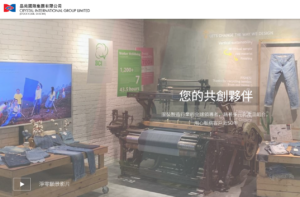
Crystal Group (Dongguan, Zhongshan, Guizhou, Yunnan, etc.) – A Hong Kong-invested transnational garment enterprise with over 70,000 employees. It specializes in producing knitwear, woven garments, woolen products, and underwear, and provides OEM services for brands such as H&M, Uniqlo, and Levi’s.
-
Hangzhou Novotel – Headquartered in Hangzhou, it has been engaged in women’s clothing OEM since 1992 and has long served first-tier brands such as H&M, ZARA, and Armani.
-
Shenzhen Longgang Jinsang Garment Factory – It also serves as a contract manufacturing factory for Uniqlo.
-
Suzhou Diyi Pavilion Garment Co., Ltd. – Mainly produces knitwear and dresses.
-
Shantou Nado Trading Co., Ltd. – A designated contract manufacturing factory for H&M.
-
Tianying (Shanghai) Textile Co., Ltd. – Headquartered in Ningbo, Zhejiang, it serves brands such as H&M, ZARA, C&A, and GAP.
-
Zhejiang Meixinjie Garment Accessory Co., Ltd. – A designated interlining supplier for H&M.
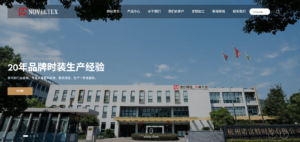
Hangzhou Novotel
3. H&M Contract Manufacturing Factory Management System
H&M implements a strict audit and management system for contract manufacturing factories, which mainly includes:
-
Sustainability Commitment – Applicable to all business partners, covering transparency and cooperation, supply chain due diligence, impact on people, impact on the environment, etc.
-
Responsible Partner Program – Fully upgraded since 2021, it has built a global supply chain management framework covering three dimensions: labor rights, environmental compliance, and business ethics.
-
-
Wages must reach 120% of the local statutory minimum wage; overtime pay must be paid in accordance with the law; weekly working hours shall not exceed 60 hours (no more than 48 hours in some countries), and employees shall have at least one rest day per week.
-
H&M’s blacklisted chemicals (such as AZO-containing dyes) are prohibited; all chemicals must be labeled with their names, ingredients, and physical properties.
-
Child labor and forced labor are prohibited; it is strictly forbidden to employ child labor under the age of 16.
-
All employees must sign a legal contract specifying salary, payday, term, and other terms.
-
-
Audit Standards:
4. Classification of Contract Manufacturing Factory Types
H&M classifies contract manufacturing factories into different types based on product categories:
|
Type of Contract Manufacturing Factory
|
Main Products
|
Representative Factory
|
|
Knitwear Contract Factories
|
Sweaters, hoodies, T-shirts, knit outerwear, etc.
|
Crystal Group (Dongguan Knitwear)
|
|
Woven Garment Contract Factories
|
Shirts, dresses, outerwear, pants, etc.
|
Hangzhou Novotel
|
|
Denim Contract Factories
|
Jeans, denim jackets, etc.
|
Crystal Group (Denim Series)
|
|
Sportswear Contract Factories
|
Sports T-shirts, sports pants, sports underwear, etc.
|
Crystal Group (Sportswear Series)
|
|
Underwear Contract Factories
|
Brassieres, underpants, thermal underwear, etc.
|
Some specialized underwear factories in Zhejiang and GuangdongChenghai Apparel
|
|
Accessories Contract Factories
|
Earrings, hairpins, etc.
|
Yiwu Baoyu Accessories Mega Factory
|
5. Supply Chain Transparency
H&M has made certain efforts in supply chain transparency and has publicly disclosed information about its tier-1 suppliers and factories. According to data from Open Supply Hub, H&M has 2,238 garment production facilities recorded worldwide. Meanwhile, H&M also participates in the Global Framework Agreement and collaborates with IndustriALL and IF Metall to protect the rights and interests of supply chain workers.
Comments