
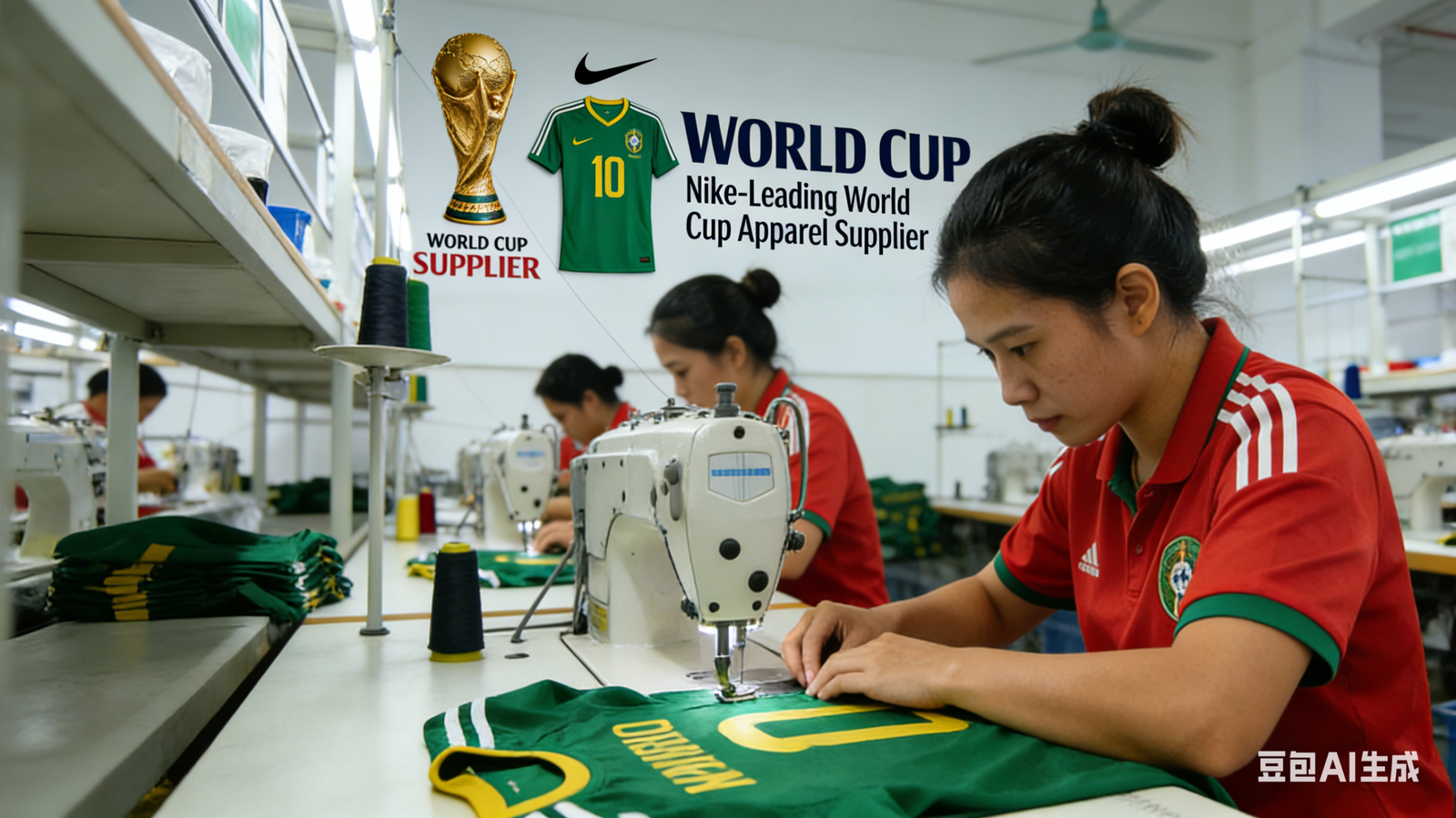
World Cup Apparel Supplier: Unveiling the Global Factories Behind Iconic Jerseys
When the stadium lights blaze and fans wave their national flags, the vibrant jerseys worn by footballers become more than just sportswear—they’re symbols of pride, unity, and passion. But have you ever wondered where these iconic pieces of clothing are made? Who are the World Cup apparel supplier that shoulder the responsibility of crafting millions of jerseys for teams and fans worldwide? This article will take you behind the scenes, exploring the global layout of World Cup apparel factories and the key suppliers that power this massive industry.
The Global Map of World Cup Apparel Factories: Where Quality Meets Scale
World Cup apparel production is a global collaboration, with factories spread across regions that boast strong textile industries, skilled labor, and efficient supply chain networks. Asia, in particular, stands as the backbone of the World Cup apparel supplier ecosystem, thanks to its mature manufacturing infrastructure and cost-effectiveness.
China, the world’s largest textile exporter, is home to numerous key factories of top World Cup apparel supplier . Regions like Guangdong, Zhejiang, and Jiangsu host facilities that produce everything from player jerseys to fan merchandise. These factories adhere to strict quality standards set by FIFA and international brands, using advanced technologies to ensure breathability, durability, and color fastness—essential for jerseys that withstand intense matches and repeated washes.
Bangladesh and Vietnam are also major players in the World Cup apparel production chain. Bangladesh’s garment industry, known for its large-scale production capacity, supplies a significant portion of fan apparel such as t-shirts, scarves, and hats. Vietnam, on the other hand, has emerged as a preferred location for mid-to-high-end sportswear, with factories equipped with automated production lines that enhance precision and efficiency. Many reliable World Cup apparel supplier partner with facilities here to balance quality and production speed.
Beyond Asia, countries like Turkey and Portugal in Europe contribute to the production of specialized World Cup apparel, such as technical training kits and referee uniforms. These regions leverage their proximity to European football markets and expertise in high-performance textiles to cater to niche demands of the World Cup apparel supplier network.
Key World Cup Apparel Supplier: Brands and Their Manufacturing Partners
The title of World Cup apparel supplier is highly coveted, and only a handful of global brands have the resources and reputation to secure official partnerships with FIFA and national teams. Let’s take a closer look at some of the most influential names and their factory networks.
1. Nike : Innovation-Driven Supplier with Global Factories
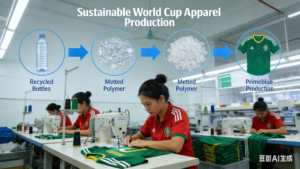
As a long-standing World Cup apparel supplier , Nike outfits dozens of national teams, including powerhouses like Brazil, France, and England. The brand’s manufacturing partners are spread across China, Vietnam, and Indonesia. For example, Nike’s jersey production facilities in Guangdong, China, use recycled polyester derived from plastic bottles—aligning with the brand’s sustainability goals while meeting FIFA’s strict requirements. These factories also employ digital printing technologies to replicate intricate team crests and player names with pinpoint accuracy.
2. Adidas : Legacy Brand with a Focus on Sustainability
Adidas, another titan in the World Cup apparel supplier landscape, has a rich history of supplying World Cup jerseys, including the iconic Germany and Argentina kits. The brand has shifted much of its production to Vietnam and Cambodia in recent years, where it works with certified factories that prioritize ethical labor practices. Adidas’ World Cup jerseys are often crafted with Primeblue, a recycled material, and its factories use water-saving dyeing techniques to reduce environmental impact—making it a sustainable World Cup apparel supplier favorite among eco-conscious fans.
3. Puma : Niche Expertise for Emerging Teams
Puma, a key World Cup apparel supplier for teams like Belgium, Switzerland, and Uruguay, partners with factories in China and Bangladesh. The brand focuses on balancing affordability and style, with its fan apparel factories in Bangladesh specializing in large-batch production to meet the surge in demand during World Cup season. Puma’s player jerseys, meanwhile, are produced in China with a focus on lightweight fabrics that enhance athletic performance.
4. Local Suppliers : Supporting Regional Football Cultures
Beyond global brands, many national teams collaborate with local World Cup apparel supplier to infuse cultural elements into their jerseys. For instance, African teams often partner with textile factories in Kenya and Morocco to create jerseys that feature traditional patterns. These local suppliers not only support regional economies but also add a unique cultural touch to the global World Cup apparel landscape.
【Q: What criteria does FIFA use to select a World Cup apparel supplier? A: FIFA evaluates potential suppliers based on four core criteria: production capacity to meet global demand, quality control systems to ensure product durability and safety, ethical labor practices (including fair wages and safe working conditions), and sustainability initiatives to reduce environmental impact. Only suppliers that meet all these standards can secure official World Cup partnerships.】
The Challenges and Trends for World Cup Apparel Supplier
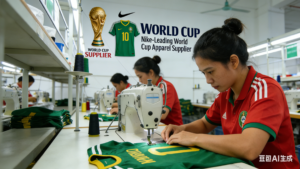
Being a World Cup apparel supplier comes with unique challenges. The short production cycle—usually 6-12 months from design finalization to delivery—requires factories to operate at maximum efficiency. Additionally, the surge in demand during World Cup season can lead to supply chain bottlenecks, making logistics management a critical skill for any reputable World Cup apparel supplier .
Sustainability is another key trend shaping the industry. More and more World Cup apparel supplier are adopting eco-friendly materials and production methods. For example, many brands now use 100% recycled polyester for jerseys, and some factories have installed solar panels to power their operations. This shift not only meets the growing demand for sustainable products from fans but also aligns with FIFA’s commitment to reducing the World Cup’s carbon footprint.
Digitalization is also transforming the World Cup apparel supplier landscape. Factories are using AI-powered systems to optimize production schedules, track inventory in real time, and even predict demand for specific jersey styles. This technology helps suppliers avoid overproduction and ensure that popular jerseys are always in stock.
The next time you put on a World Cup jersey or cheer for your favorite team, you’ll know the global effort that goes into creating that piece of sportswear. From the factories in China and Vietnam to the design teams at global brands, every link in the World Cup apparel supplier chain plays a role in bringing the spirit of the World Cup to fans worldwide.
We’d love to hear from you! Which World Cup jersey is your all-time favorite, and have you ever wondered where it was made? Do you prioritize sustainability when choosing World Cup apparel, and would that influence your choice of World Cup apparel supplier ? Share your thoughts and experiences in the comments below—let’s dive deeper into the fascinating world of World Cup sportswear!



Comments