
Uniqlo Contract Manufacturers: Global Network & Chenghai’s Role in Dress Production

When you slip on a sleek Uniqlo dress or a classic crewneck sweater, you’re wearing more than just “LifeWear”—you’re wearing the product of a sprawling global supply chain powered by trusted contract manufacturers. As one of the world’s largest fast-fashion brands, Uniqlo relies on a network of top-tier OEM (Original Equipment Manufacturing) partners to deliver affordable, high-quality apparel to millions. But who are Uniqlo’s main contract manufacturers? Does Chenghai’s clothing industry participate in this ecosystem, and is it true that some Chenghai factories (Chenghai clothing factories) produce dresses for Uniqlo? Let’s dive into the details.
1. The Global Landscape of Uniqlo Contract Manufacturers
Uniqlo’s parent company, Fast Retailing, operates a decentralized production model, partnering with over 700 contract factories across 14 countries—with China, Vietnam, Bangladesh, and Indonesia leading as key production hubs. This strategy balances cost efficiency, production capacity, and proximity to raw material sources.
Key Major Uniqlo Contract Manufacturers
- Shenzhou International Group (China) : The undisputed leader in Uniqlo’s supply chain, Shenzhou International produces over 30% of Uniqlo’s core apparel (including t-shirts, sweatshirts, and activewear). Renowned for its advanced textile technology and strict quality control, this Zhejiang-based giant has long been Uniqlo’s most trusted partner.
- Esquel Group (Hong Kong/China) : A pioneer in sustainable fashion, Esquel supplies Uniqlo with premium cotton garments, including dress shirts and casual dresses. Its focus on water-saving production aligns with Uniqlo’s sustainability goals.
- Vietnam Textile & Garment Group (Vinatex) : As Uniqlo’s fastest-growing production base, Vinatex and its affiliated factories handle a large share of knitwear and dresses, leveraging Vietnam’s low labor costs and trade agreements.
- Bangladesh Garment Manufacturers and Exporters Association (BGMEA) Members : Factories like Beximco Apparel and DBL Group produce basic Uniqlo items, including lightweight dresses and loungewear, catering to high-volume demands.
Why Uniqlo Chooses a Diversified Contract Manufacturer Network
Uniqlo’s approach to contract manufacturing is rooted in resilience. By partnering with factories worldwide, the brand mitigates risks like supply chain disruptions (eg, pandemics, trade wars) and ensures flexibility to scale production during peak seasons (eg, Black Friday, Chinese New Year). Each contract manufacturer must adhere to Fast Retailing’s “Code of Conduct,” which mandates ethical labor practices, environmental compliance, and product quality standards.
2. Chenghai Clothing Factories: Do They Manufacture Dresses for Uniqlo?
Chenghai, a district in Shantou, Guangdong, is best known for its toy industry—but its clothing manufacturing sector has quietly emerged as a niche player in China’s apparel supply chain. So, do any Chenghai (Chenghai clothing factories) serve as Uniqlo contract manufacturers for dresses?
The short answer: Yes, select Chenghai clothing factories are part of Uniqlo’s extended supply chain for dress production . Here’s why and how:
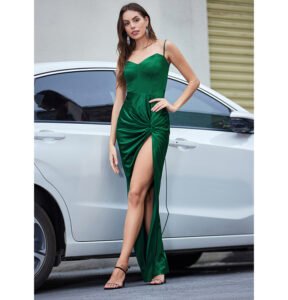
- Niche Expertise : Chenghai’s small-to-medium garment factories specialize in women’s dresses, particularly lightweight, casual styles (eg, linen-blend shifts, jersey midi dresses) that align with Uniqlo’s “LifeWear” aesthetic. Their focus on detail-oriented sewing and quick turnaround makes them ideal for low-to-medium volume orders.
- Proximity to Raw Materials : Located in the Pearl River Delta, Chenghai benefits from access to Guangzhou’s fabric markets and Shenzhen’s textile suppliers—reducing lead times for dress production.
- Compliance with Uniqlo’s Standards : To become a Uniqlo contract manufacturer, Chenghai factories must pass rigorous audits: from worker safety and wage transparency to environmental practices (eg, wastewater treatment). Those that qualify often operate as sub-contractors for larger OEMs (like Shenzhou International) rather than direct partners.
What Makes Chenghai’s Dress Production Stand Out?
Chenghai’s Uniqlo dress manufacturers prioritize:
- Cost-Effectiveness : Lower overheads compared to coastal megacities (eg, Shanghai, Guangzhou) allow competitive pricing without compromising quality.
- Customization Flexibility : Unlike large-scale factories, Chenghai’s smaller operations can accommodate minor design adjustments—helping Uniqlo test new dress styles or regional variations.
- Quality Control : Many Chenghai factories have invested in digital inspection tools to meet Uniqlo’s strict standards for stitching, fabric durability, and fit.
3. How Uniqlo Vets and Collaborates with Contract Manufacturers (Including Chenghai)
Uniqlo’s partnership with contract manufacturers—whether industry giants or niche Chenghai factories—follows a strict 4-step process:
- Pre-Qualification : Factories submit documentation on production capacity, equipment, labor practices, and environmental policies.
- On-Site Audit : Fast Retailing’s quality assurance team conducts in-person inspections to verify compliance with its Code of Conduct.
- Sample Production : Shortlisted factories produce dress prototypes to test fit, fabric quality, and production efficiency.
- Long-Term Partnership : Approved manufacturers enter into annual contracts, with ongoing audits and performance reviews.
For Chenghai’s clothing factories, this process is competitive—but the rewards are significant. Partnering with Uniqlo opens doors to global exposure, stable orders, and access to the brand’s best practices in sustainable manufacturing.
4. What Consumers Should Know About Uniqlo Contract Manufacturers
As a consumer, understanding Uniqlo’s contract manufacturing model can help you make informed choices:
- Quality Consistency : Whether your dress is made in a Shenzhou factory or a Chenghai workshop, Uniqlo’s strict standards ensure uniform quality.
- Sustainability : Look for Uniqlo’s “Eco-Friendly” labels—many contract manufacturers (including some in Chenghai) use organic cotton or recycled fabrics for dress production.
- Authenticity : To confirm your Uniqlo dress is from an authorized contract manufacturer, check the care label for the production country and verify the item via Uniqlo’s official website.
5. The Future of Uniqlo Contract Manufacturers: Trends to Watch
Uniqlo’s supply chain is evolving—here’s what’s next for its contract manufacturers, including Chenghai’s players:
- Increased Focus on Sustainability : Fast Retailing aims to source 100% recycled or organic materials by 2030, pushing contract manufacturers to adopt greener practices (eg, solar-powered factories, waterless dyeing).
- Tech Integration : AI-driven quality control and digital supply chain tools will become standard, even for smaller Chenghai factories.
- Regional Expansion : Uniqlo may deepen partnerships with Southeast Asian contract manufacturers, but China (including Chenghai) will remain a key hub for high-quality dress production due to its mature textile ecosystem.
Uniqlo’s contract manufacturers are the unsung heroes behind its global success—from industry leaders like Shenzhou International to specialized Chenghai clothing factories crafting dresses with precision. By balancing global scale with regional expertise, Uniqlo delivers on its promise of affordable, durable, and stylish apparel. Whether you’re a consumer curious about your dress’s origins or a business exploring supply chain opportunities, understanding Uniqlo’s contract manufacturing network reveals the brand’s commitment to quality, ethics, and innovation.
For more insights on Uniqlo’s supply chain or Chenghai’s role in dress production, feel free to explore our related guides on sustainable fashion manufacturing and OEM partnerships in China.
Comments