
Five Core Elements of a Qualified Women’s Clothing Factory in 2026: A Comprehensive Consideration from Production to Service
In the rapidly evolving women’s clothing industry of 2026, a qualified women’s clothing factory is more than just a “production machine”; it is also a core partner for brands and entrepreneurs. Its capabilities directly determine product quality, delivery efficiency, and market competitiveness, and require a comprehensive assessment across the following five dimensions:
- A Stable and High-Quality Supply Chain System
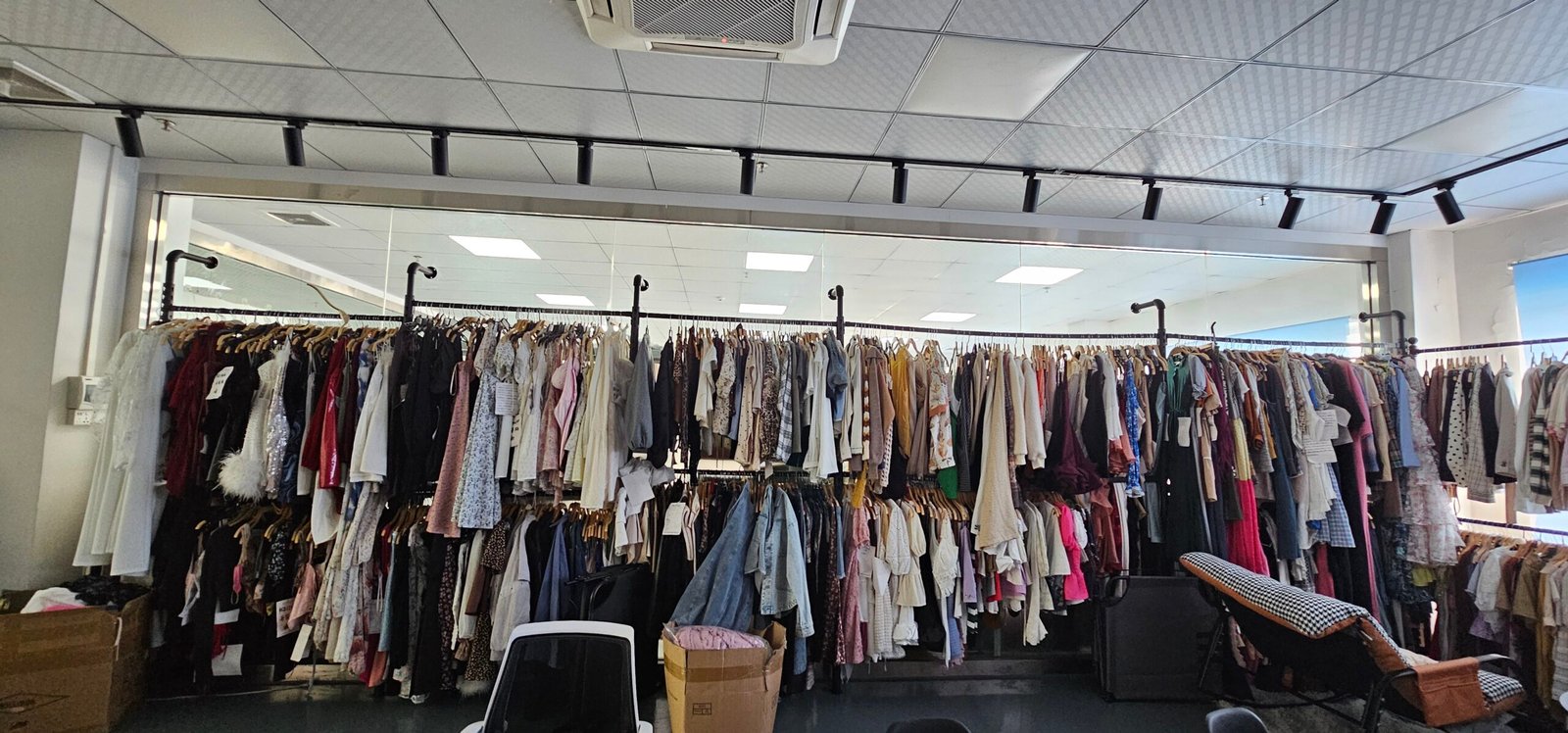
The supply chain is the lifeblood of women’s clothing production, and qualified factories must possess mature supply chain management capabilities. First, fabric sourcing must balance quality and flexibility. They must be able to connect with high-quality domestic and international fabric suppliers (such as suppliers of core materials like cotton, silk, and knitwear) to ensure that fabrics meet industry standards for environmental friendliness, color fastness, and shrinkage, while also supporting small-batch procurement of specialty fabrics to meet the diverse needs of women’s clothing styles.
Second, inventory management of auxiliary materials (such as buttons, zippers, and hang tags) must be precise to avoid production halts due to shortages. Furthermore, a supplier screening mechanism must be established, with regular assessments of partner qualifications, production capacity, and after-sales response speed to ensure a seamless supply chain. For example, some high-quality factories maintain a reserve inventory of over 30% of commonly used fabrics, reducing fabric lead times for urgent orders to 1-3 days and significantly improving delivery efficiency.
II. Strong Production Capacity
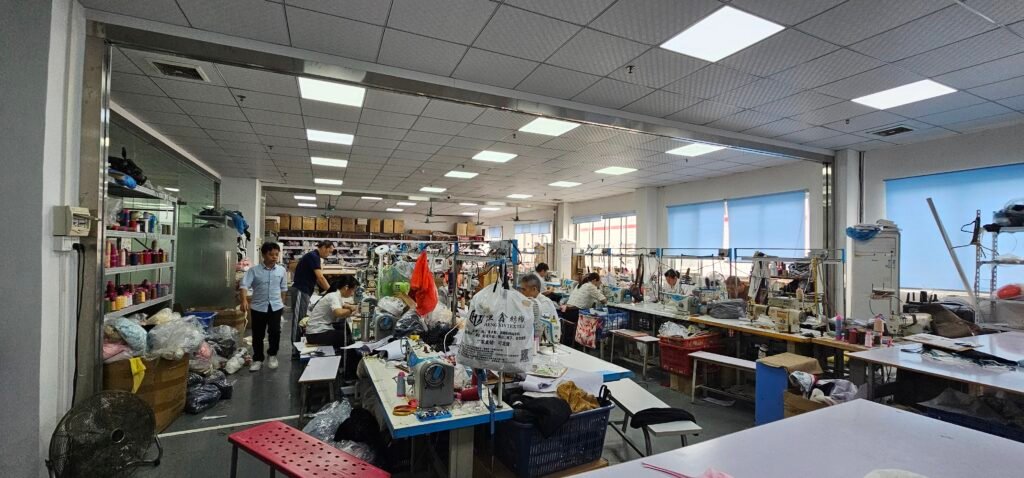
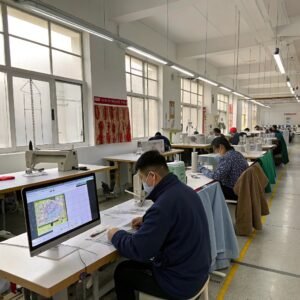
Production capacity is a factory’s core competitive advantage and should be measured across three key dimensions: equipment, production capacity, and craftsmanship. In terms of equipment, modern production equipment—such as computerized flatbed lathes, automatic cutting machines, and overlock machines—should ensure the precision of basic processes (sewing, overlocking, and splicing). For specialized processes (embroidery, printing, and hot stamping), specialized equipment and a skilled team of technicians are required to avoid rework due to substandard workmanship. In terms of production capacity, the factory must be able to handle both large-volume orders (e.g., over 10,000 pieces per style) and flexible production capabilities to support small-batch customization (e.g., 200-2,000 pieces per style) to meet the “quick-response” trend in women’s clothing. Furthermore, standardized production processes are crucial, such as establishing separate workshops for cutting, sewing, ironing, and packaging, with clear operating standards for each step to prevent cross-contamination and process omissions.
Comprehensive Service Support Capabilities
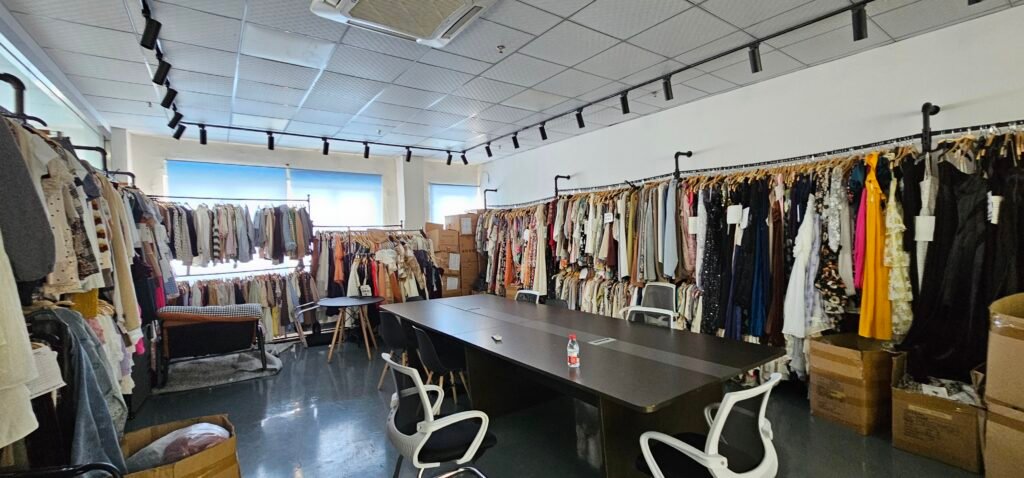
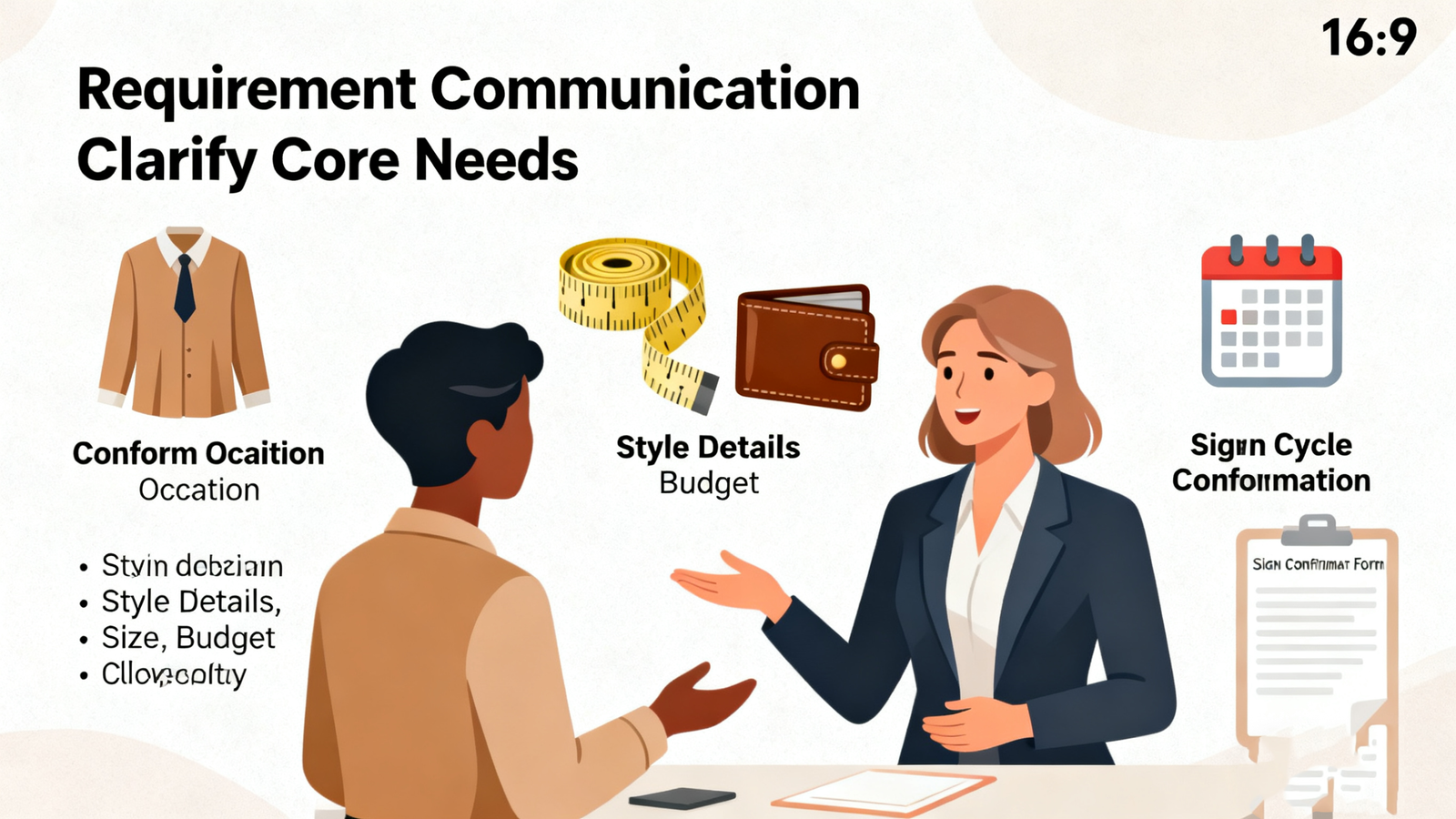
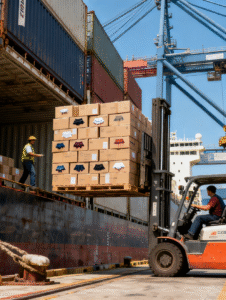
High-quality service is the glue that binds long-term factory relationships and must cover all aspects of the process, from pre-sales to sales and after-sales. During the pre-sales phase, it’s important to proactively address customer needs, providing detailed production quotations (including fabric, process, and labor costs) and delivery estimates to avoid price disputes or delivery delays later. During the sales phase, regular feedback on production progress (e.g., fabric arrival, cutting completion, and finished product inspection) should be provided to customers, ensuring they have real-time access to order status. During the post-sales phase, a rapid response mechanism should be established, providing solutions (such as rework, restocking, and compensation) within 24 hours for quality issues reported by customers. Customer feedback should also be collected to optimize production processes. Furthermore, some factories offer value-added services such as custom hangtags, packaging design, and consignment shipping to help streamline supply chain processes and improve efficiency.
In summary, a qualified women’s clothing factory must balance both “hard capabilities” (supply chain, production, and quality control) and “soft capabilities” (R&D and service). Only by achieving a closed-loop system across all aspects can it truly become a trusted partner for customers and gain a firm foothold in the competitive women’s clothing industry.

Comments