Industry Trend Analysis

2024 Black Evening Gown Market Trends: The return of timeless elegance in fashion

2025 Orange Ocean Apparel 8-minute read
2025 Black Evening Gown Collection

2025 Black Evening Gown Collection

In the fashion world, the black evening gown has always held an unshakeable position. In 2025, this classic item once again became the focus of the global fashion stage, showcasing unprecedented design innovation and market vitality. As a professional women's wear manufacturer, Orange Ocean Apparel has conducted in-depth analysis of current market trends for black evening gowns, providing brand partners with the latest industry insights.

Market Overview: Demand for black evening gowns continues to grow.

According to the latest market research data, the global black evening gown market is projected to grow by 15.2% in 2025, with the Asia-Pacific region showing particularly strong performance. The increasing consumer demand for high-quality, personalized black evening gowns is driving innovation across the industry.

Key market data

Market growth rate 15.2%
Consumer Preference 87%
Online sales growth 23.8%
Black Evening Dress Market Growth Chart

Design Trend: A Perfect Blend of Modern Minimalism and Classic Elegance

The design of black evening gowns in 2025 presents a diversified trend, ranging from minimalist streamlined cuts to luxurious embellishments, with designers finding a perfect balance between tradition and innovation. The Orange Ocean Apparel design team observed the following key trends:

Minimalism

Simple lines and clean cuts have become the mainstream.

Sustainable fabrics

Environmentally friendly materials and sustainable production processes

Personalized customization

Tailor-made and personal style expression

Modern Black Evening Gown Design Trends

Spring/Summer 2025 Design Highlights

A new black evening gown that blends traditional craftsmanship with modern aesthetics

Consumer preferences: Applicability to multiple scenarios becomes key

Modern consumers' demand for black evening gowns is no longer limited to traditional formal occasions. Research shows that 68% of consumers want to buy black evening gowns that can be adapted to various occasions, from business dinners to social gatherings, from art exhibitions to private parties; a high-quality black evening gown needs to be highly adaptable.

Consumer focus factors

Fabric texture and comfort (89%)
Fit (85%)
Multi-scenario applicability (78%)
Unique design details (72%)
Cost-effectiveness (69%)
Consumer Preference Survey Results

Manufacturing Innovation: Technology-Driven Quality Improvement

As a professional manufacturer of black evening gowns, Orange Ocean Apparel is committed to improving product quality through technological innovation. Our production team employs state-of-the-art manufacturing processes to ensure that every black evening gown meets international quality standards.

先进的黑色晚礼服制造工艺

Technological Innovation Highlights

3D stereoscopic cutting technology

Precisely conforms to the body's curves, enhancing wearing comfort.

Laser precision cutting

Ensure the perfect presentation of every detail.

Intelligent quality inspection system

Full-process quality control, zero-defect shipment

Fabric selection criteria

High-grade silk 35%
Worsted wool 28%
High-end polyester fiber 22%
Blended fabrics 15%

Future Outlook: The Endless Possibilities of the Black Evening Gown

Market Forecast for 2025-2026

Looking ahead, the black evening gown market will continue its strong growth momentum. With consumers' increasing demand for quality and personalization, and the growing acceptance of sustainable fashion, black evening gowns will see new breakthroughs in design innovation, manufacturing processes, and market strategies.

25%

Expected growth rate

Market size growth forecast for 2025

60%

Online sales percentage

Digital sales channels continue to expand

40%

Customization requirements

The demand for personalized customization services is rising.

Conclusion: Creating a Fashionable Future Together with Orange Ocean Apparel

As a timeless classic in the fashion world, the black evening gown demonstrated unprecedented market vitality and innovative potential in 2024. With seven years of professional manufacturing experience, advanced production equipment, and a rigorous quality control system, Orange Ocean Apparel has become a trusted black evening gown manufacturing partner for global brands.

We cordially invite global fashion brands and retailers to join hands with us to seize the unlimited business opportunities in the black evening gown market, and create more elegant, sophisticated, and high-quality fashion choices for women worldwide.

Want to learn more about our black evening gown manufacturing services?

Contact Orange Ocean Apparel to obtain a professional product catalog and customization solutions.

Uncategorized

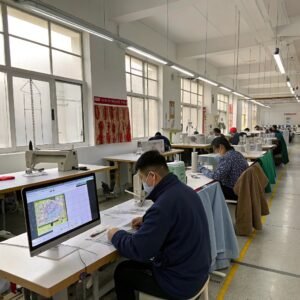
The Global Competitive Landscape and Transformation Path of Chinese Women’s Apparel Factories in 2026

wanglin
10/27/2025
  1. Global Market Share: Scale Advantages and Structural Adjustment
    As the world’s largest women’s apparel manufacturing base, China is expected to account for 25%-27% of global production in 2026, maintaining its position as the largest producer. This advantage stems from the industrial cluster effect (Guangdong, Zhejiang, and Jiangsu contribute 88% of production capacity) and the rise of cross-border e-commerce (brands such as SHEIN and PatPat have driven exports exceeding US$46 billion). However, the share of low-end fast fashion has declined by 4% year-on-year. Southeast Asian countries (Vietnam and Bangladesh) have captured the mid- and low-end market with lower labor costs, forcing Chinese factories to shift to higher-value-added sectors.

Data Highlights:
The Chinese women’s apparel market is projected to reach 650 billion yuan by 2030, with a compound annual growth rate of 7%, with online sales accounting for over 60%.

The RCEP agreement has driven an 11.2% increase in Chinese women’s apparel exports to ASEAN, making it a major player in emerging markets. Transformation Direction:
High-end: Increase product premiums through digital design (such as 3D virtual proofing) and environmentally friendly materials (recycled fibers account for 15%).
Regional Expansion: Establish satellite factories in Southeast Asia (such as SHEIN’s Vietnam base) to circumvent tariff barriers and gain proximity to consumer markets.

  1. Flexible Production: Small Orders, Quick Response, and Intelligent Scheduling
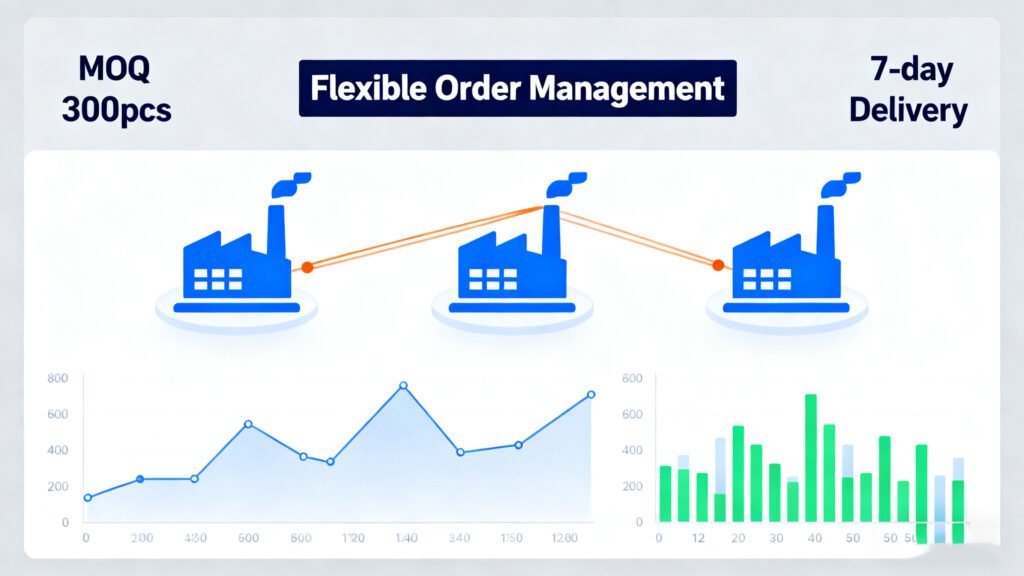
    Faced with fragmented consumer demand, Chinese women’s clothing factories are accelerating their transformation to flexible manufacturing. The proofing process, which traditionally takes seven days, can be shortened to two days through AI design and 3D modeling, reducing production costs by 50%. A typical example is Qingdao Global Garments, which uses an industrial internet platform to achieve seven-day delivery for small batch orders, increasing production efficiency by 25%.
    Technical Support:
    Intelligent Production Scheduling System (APS): Dynamically balances equipment load, reduces changeover time (from eight hours to 30 minutes), and supports minimum order quantities (MOQs) of 300 pieces. AI Quality Inspection: Using computer vision to detect sewing defects, the defective rate has been reduced from 3% to 0.8%.
    Market Adaptation:
    22% of orders utilize a small-batch, quick-response model, particularly well-suited to the “weekly releases” demand of fast fashion brands.
  2. Sustainability: Green Production and Compliance Barriers
    The EU’s Textile Strategy and the Carbon Border Adjustment Mechanism (CBAM) are forcing Chinese factories to upgrade their environmentally friendly technologies. By 2026, 60% of exporting factories will be required to complete carbon footprint tracking, and products using recycled fibers will receive a 10%-15% price premium. OEKO-TEX® Standard 100 certification will become a mandatory requirement for entering the European and American markets, with testing for PFAS and VOCs added in 2025.
    Practical Examples:
    Material Innovation: Unitex has introduced ocean-recycled fibers and bio-based synthetic materials to meet the functional needs of outdoor apparel.
    Process Optimization: Bio-enzyme washing technology replaces traditional chemical processes, reducing wastewater emissions by 90%. Policy Support:
    The Chinese government provides a 20% subsidy for the purchase of green equipment, driving an 18% reduction in energy consumption per unit of production capacity.
  3. Technological Upgrade: AI-Driven and Digital Transformation
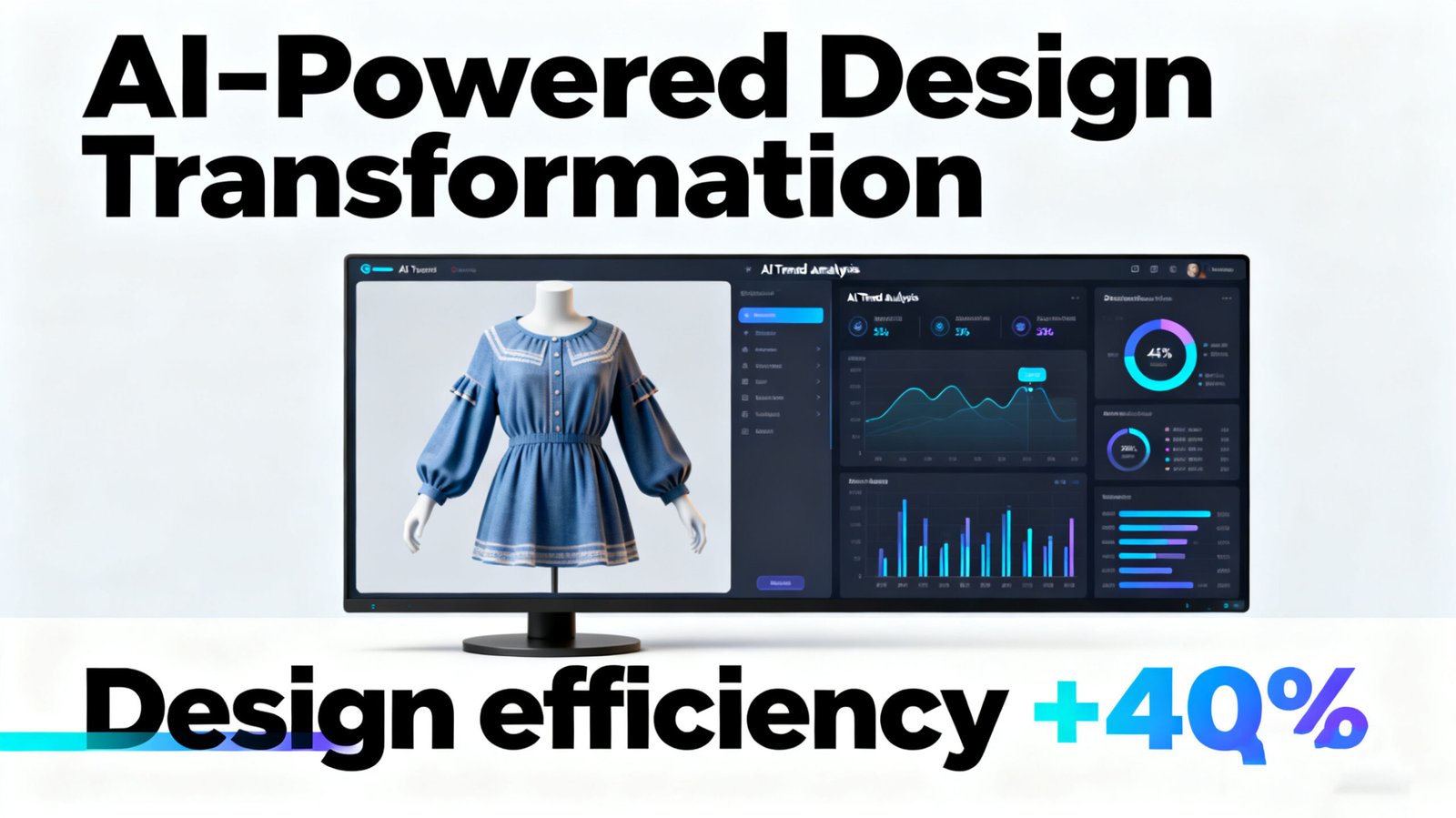
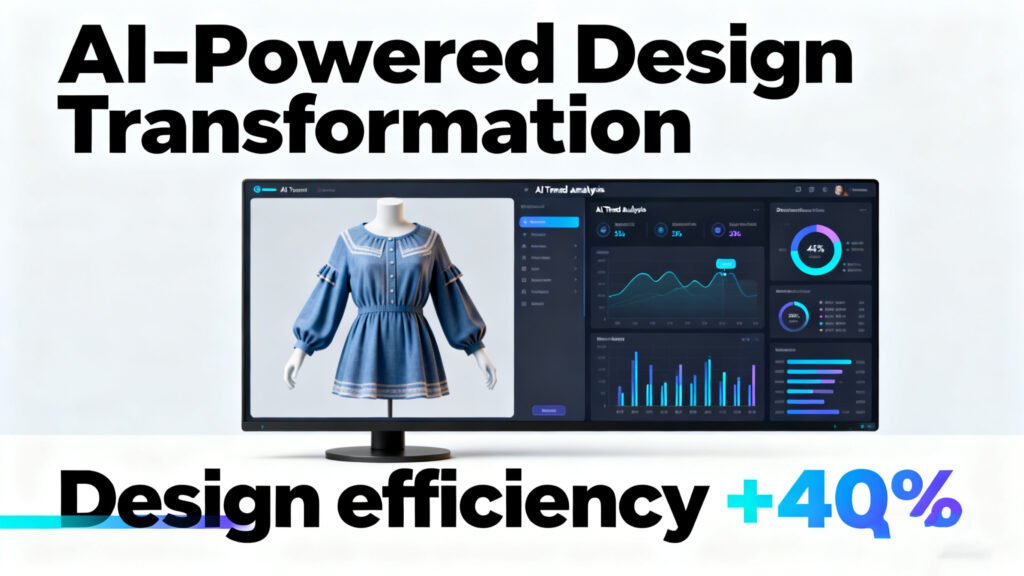
    AI technology is reshaping the entire women’s apparel production chain. From style recommendation algorithms on the design side (generating trends based on social media data) to automated sewing systems on the production side (with an accuracy of 10 microns), technology penetration has increased significantly. Magic Fish Factory digitizes the entire order process through its proprietary MES system, achieving a 97% on-time delivery rate.
    Industry Impact:
    Design efficiency increased by 40%, with AI generating over 100,000 styles and supporting personalized customization.
    Inventory turnover increased by 30%, and the risk of unsold goods decreased by 50%.
  4. Challenges and Solutions
    Core Challenges:
    Cost Pressure: Labor costs are rising by an average of 5%-8% annually. Combined with the EU carbon tax and Amazon quality inspections, profit margins are compressed to 5%-8%. Compliance Risk: The FTC recall rate for non-compliant labeling is 3.2%, while the US Customs random inspection rate is 28%.
    Solutions:
    Technological Substitution: AI and automated equipment can offset 30% of rising labor costs.
    Cluster Collaboration: Sharing laboratories and testing centers can reduce compliance costs by 40%.
    Branding Transformation: Accumulating user data through a direct-to-consumer (DTC) model (such as Xiyin’s own app) can increase premium pricing by 20%.
    III. Summary
    By 2026, Chinese women’s apparel factories will be balancing the advantages of scale with the pressure of transformation. Through flexible production, green manufacturing, and technological upgrades, factories are transforming from “world factories” to “global fashion innovation centers.” Future competition will focus on data-driven agile response and sustainable supply chain resilience. Capturing the opportunities of cross-border e-commerce and regional expansion will determine a company’s ultimate position in the global value chain.
Related Articles

Oct 24, 2025

What is OEM?

What is OEM? OEM, or "Original Equipment Manufacturer," refers to a collaborative model in which…

Read More

Comments

Leave a Reply

Your email address will not be published. Required fields are marked *

Founder

Cici

Chenghai Fashion

Since starting my factory business in 2017, I've faced many hardships and challenges. Looking back now, I'm grateful for persevering—believing that hard work eventually pays off.

Contact Me

Let's discuss your fashion needs

Sending...