

Sustainable Apparel Suppliers China: Eco-Friendly Sourcing for Your Brand
In the global shift toward sustainability, sustainable apparel suppliers China have emerged as trusted partners for eco-conscious brands, retailers, and entrepreneurs. Specializing in organic, recycled, and ethically produced clothing, Chinese sustainable clothing manufacturers combine green innovation, mature supply chains, and competitive pricing—making them the top choice for sourcing eco-friendly apparel. This guide breaks down their core strengths, product ranges, and collaboration tips, helping you align your brand with sustainable values while driving business growth.

Why Choose Sustainable Apparel Suppliers China?
Chinese sustainable apparel suppliers stand out in the global eco-fashion market, with advantages tailored to the needs of green brands.
- Certified Eco-Friendly Materials: They prioritize organic cotton, recycled polyester, hemp, bamboo, and Tencel—all certified by GOTS (Global Organic Textile Standard), OEKO-TEX, or Recycled Claim Standard (RCS) to ensure environmental safety.
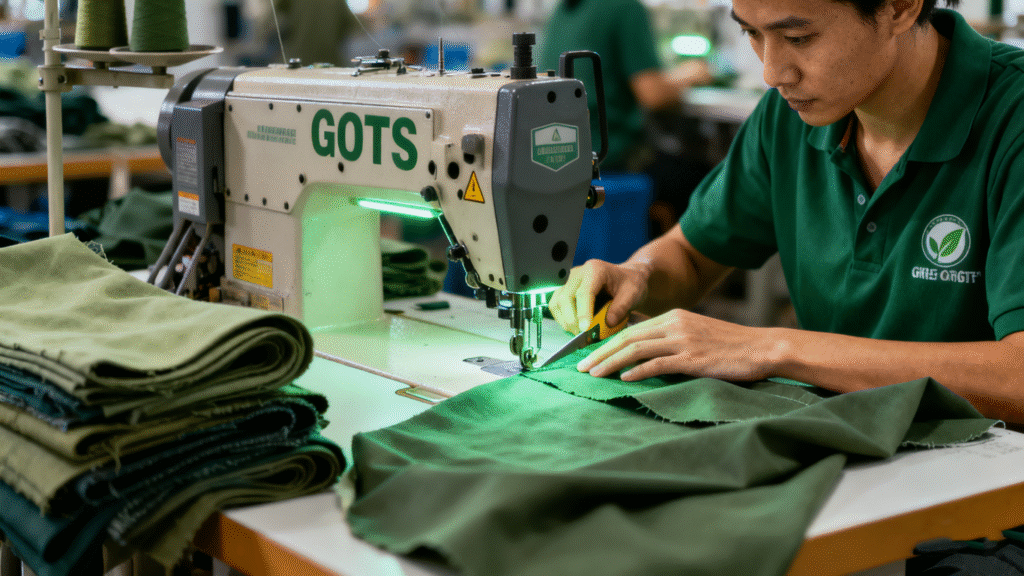
- Green Manufacturing Processes: From water-saving dyeing and energy-efficient production lines to zero-waste cutting techniques, suppliers minimize carbon footprints and reduce environmental impact.
- Ethical & Transparent Supply Chains: Compliance with BSCI, Sedex, and Fair Trade standards ensures fair labor practices, while full traceability (from raw materials to finished products) meets brand and consumer transparency demands.
- Flexible Customization for Sustainability: Whether small-batch organic basics, bulk recycled sportswear, or private-label eco-fashion, sustainable apparel suppliers China adapt to order sizes and tailor materials/designs to your green goals.
Core Product Categories from Sustainable Apparel Suppliers China
Focused on eco-friendly materials and functionality, these suppliers cover high-demand sustainable clothing segments:
1. Organic Cotton Apparel
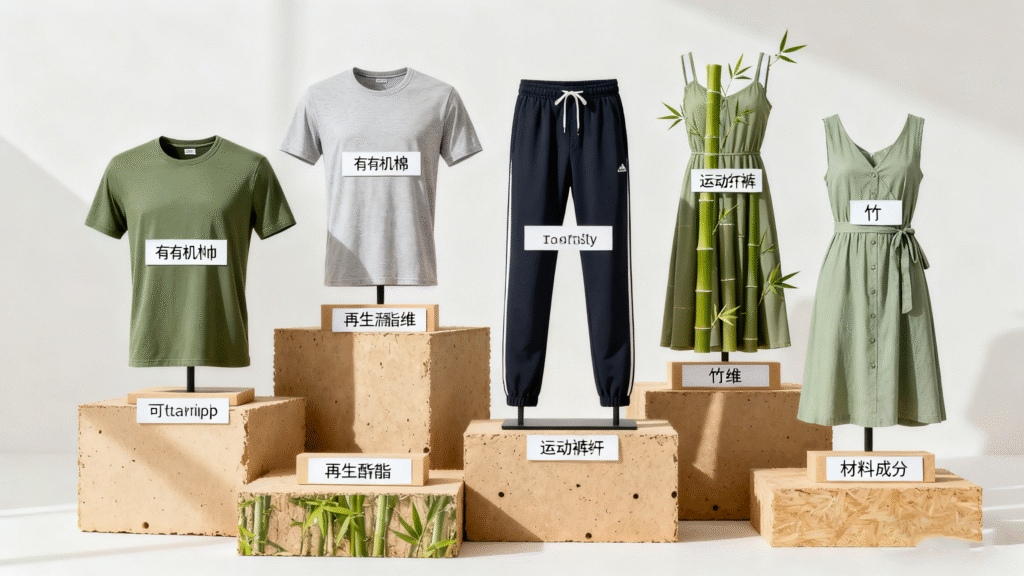
The most popular category, including t-shirts, hoodies, dresses, and undergarments. Made from pesticide-free organic cotton, it’s soft, breathable, and biodegradable—ideal for everyday wear and casual brands.
2. Recycled Material Clothing
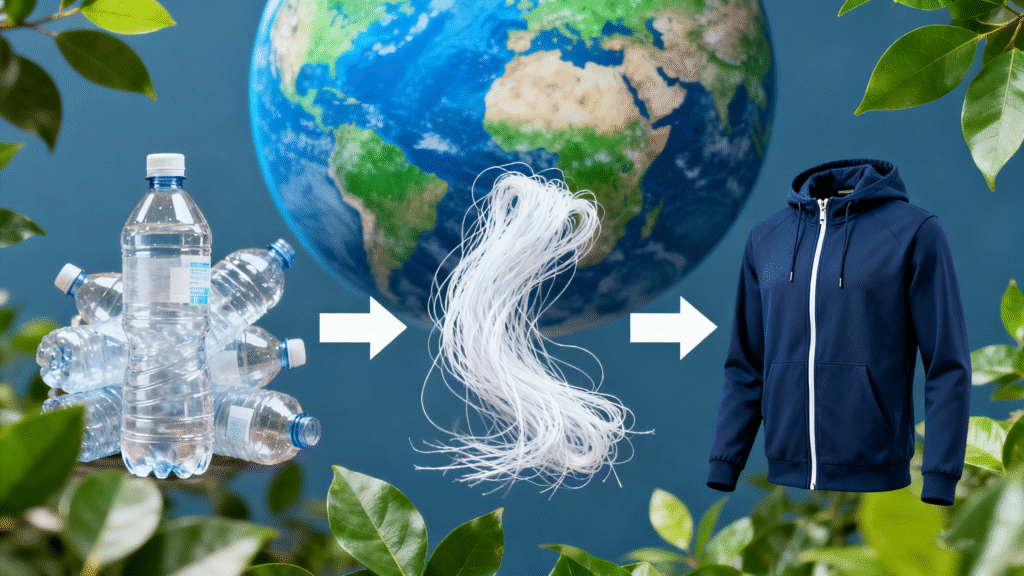
Using recycled polyester (from plastic bottles), recycled nylon, or regenerated wool, suppliers produce sportswear, jackets, leggings, and bags. Reduces plastic waste and conserves natural resources, fitting activewear and outdoor brands.
3. Plant-Based & Biodegradable Apparel
Featuring hemp, bamboo, or lyocell (Tencel) fabrics, these pieces are hypoallergenic, moisture-wicking, and compostable. Perfect for loungewear, sleepwear, and sensitive-skin-focused lines.
4. Sustainable Activewear & Sportswear
Combining eco-materials with performance features (moisture-wicking, stretch, durability), suppliers craft leggings, sports bras, gym tops, and running jackets. Meets the growing demand for “green fitness” apparel.
5. Ethical Private-Label Sustainable Apparel
Brands can provide custom designs, logos, or sustainability requirements (e.g., zero-plastic packaging, carbon-neutral production). Suppliers handle end-to-end production, from sample development to bulk manufacturing, supporting unique brand identities.

How to Collaborate with Reliable Sustainable Apparel Suppliers China
Sourcing sustainable apparel requires verifying both environmental and ethical credentials—here’s how to find the right partner:
- Filter by Sustainability Certifications: Use platforms like Alibaba, Made-in-China, or EcoVadis to search for suppliers with GOTS, RCS, OEKO-TEX, and BSCI certifications. These are non-negotiable for authentic sustainable products.
- Request Material & Production Proof: Ask for material test reports, factory audit documents, and carbon footprint data. Sample checks should confirm fabric quality, stitching, and adherence to eco-standards.
- Clarify Sustainability-Focused Terms: Confirm details like recycled material percentage, eco-dyeing processes, packaging options (biodegradable or reusable), and lead times for sustainable production (may differ from conventional apparel).
- Prioritize Transparency & Communication: Choose suppliers that share supply chain details (e.g., material sourcing locations, production stages) and have proficient English communication to avoid misunderstandings about sustainability goals.
2026 Trends for Sustainable Apparel Suppliers China
Chinese sustainable apparel suppliers are evolving to meet global eco-fashion demands, with key trends shaping their offerings:
- Circular Fashion Solutions: More suppliers offer take-back programs, recycled fabric recycling, and modular designs that extend product lifecycles.
- Carbon-Neutral Production: Investment in renewable energy (solar, wind) and carbon offset projects to achieve net-zero emissions for orders.
- Minimalist & Durable Designs: Moving beyond fast fashion, suppliers focus on timeless, long-lasting pieces that align with “slow fashion” principles.
- Tech-Driven Sustainability: Using AI to optimize material usage, reduce waste, and track carbon footprints in real time.
Conclusion: Grow Your Green Brand with Sustainable Apparel Suppliers China
Sustainable apparel suppliers China bridge the gap between eco-conscious goals and practical sourcing—offering certified materials, ethical production, and flexible customization at competitive prices. Whether you’re a startup eco-brand, an established retailer expanding sustainable lines, or an entrepreneur prioritizing environmental responsibility, Chinese suppliers have the expertise and resources to bring your vision to life.
By partnering with reliable sustainable suppliers, you’ll not only meet consumer demand for green apparel but also build a brand reputation rooted in transparency and responsibility. This strategic collaboration drives long-term customer loyalty and positions your business for success in the fast-growing eco-fashion market.


Comments