
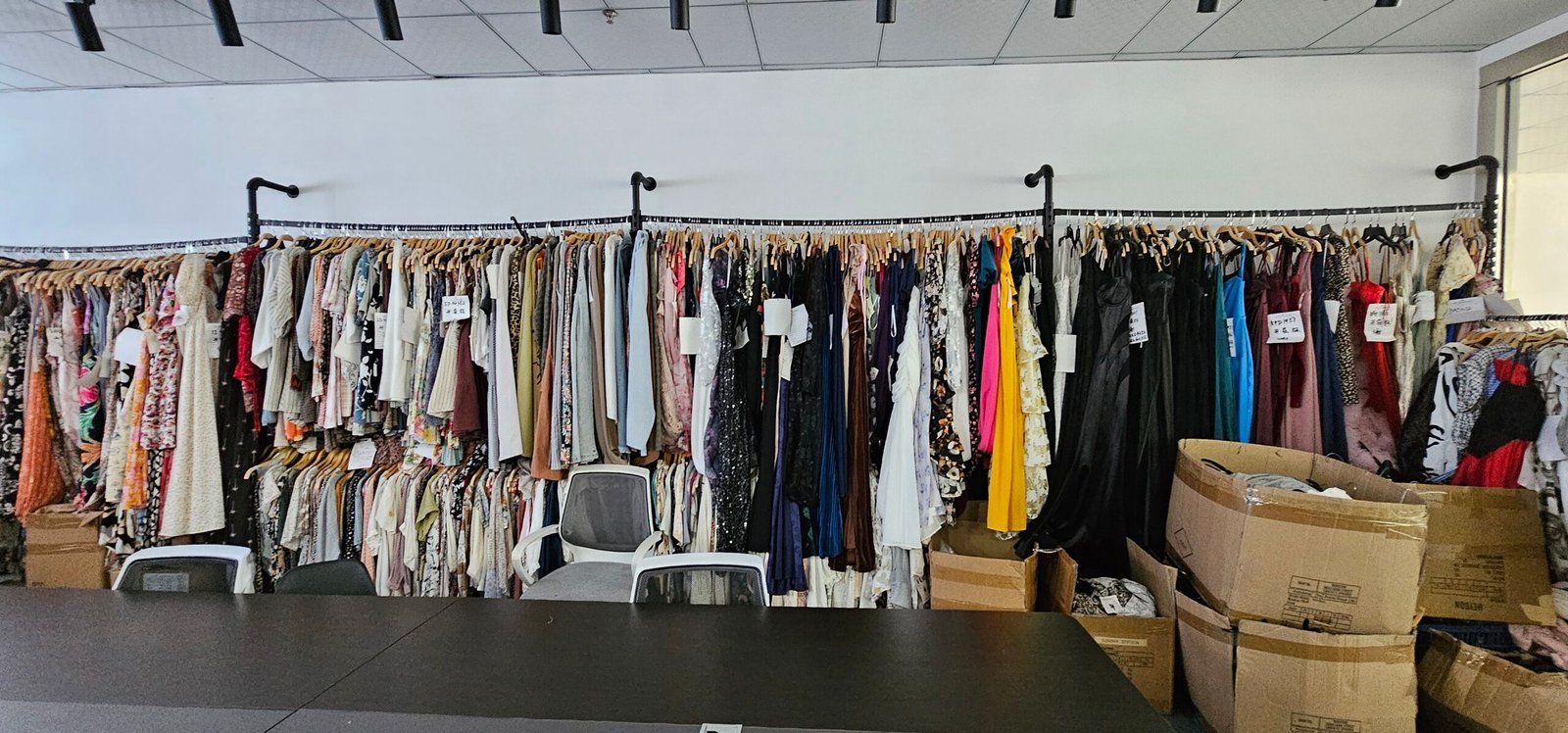
Reliable Clothing Suppliers South Africa: Solve Your Sourcing Headaches with Local Expertise
In the dynamic world of fashion retail and apparel manufacturing, finding trustworthy clothing suppliers South Africa can feel like navigating a maze. Whether you’re a boutique owner scrambling to stock on-trend basics, a corporate buyer sourcing uniform pieces, or an e-commerce entrepreneur launching a sustainable clothing line, the right supplier isn’t just a vendor—they’re a cornerstone of your business success. South Africa’s clothing industry, rooted in both traditional craftsmanship and modern production techniques, offers a diverse pool of partners. But how do you sift through the options to find the one that aligns with your quality standards, budget, and delivery timelines? This guide breaks down everything you need to know about clothing suppliers South Africa, from addressing common sourcing pain points to unlocking the unique advantages of local partnerships.

Pain Point: Inconsistent Quality Ruining Your Brand Reputation – Choose Vetting Clothing Suppliers South Africa
Nothing damages a fashion business faster than delivering garments that don’t live up to customer expectations—loose stitching, faded fabrics, or ill-fitting cuts can turn one-time buyers into detractors. Many international suppliers promise low costs but cut corners on quality control, leaving you stuck with inventory you can’t sell. This is where clothing suppliers South Africa shine: the country’s industry is regulated by strict quality standards, and local suppliers prioritize long-term relationships over one-off transactions. Reputable wholesale clothing suppliers South Africa invest in rigorous quality checks, from sourcing premium fabrics (including locally produced cotton and sustainable blends) to conducting final inspections before shipment. For example, suppliers in Cape Town’s textile district often provide sample batches upfront, allowing you to test durability and fit before placing large orders. They also understand the unique demands of the African market—such as fabrics that hold up in warm climates and sizing that caters to diverse body types—ensuring your products resonate with your target audience.
【Q: How can I verify the quality of a clothing supplier in South Africa before partnering? A: Start by requesting a detailed product portfolio and client references—reliable suppliers will happily share feedback from other local businesses. Ask for physical samples of the garments you plan to order, and inquire about their quality control processes (e.g., do they have in-house inspectors or partner with third-party agencies?). Many clothing suppliers South Africa also offer factory tours, either in-person or virtually, so you can see their production lines firsthand.】
Another advantage of working with clothing suppliers South Africa is their flexibility. Unlike large offshore suppliers that require massive minimum order quantities (MOQs), many local partners cater to small and medium-sized businesses (SMBs). Whether you need 50 pieces of a custom t-shirt design or 500 units of workwear, small-batch clothing suppliers South Africa can accommodate your needs without forcing you to overcommit to inventory. This is a game-changer for startups and boutique owners who want to test new styles without tying up capital in unsold stock. Additionally, local suppliers are more responsive to design tweaks—if you need to adjust a neckline or switch to a more sustainable fabric, they can make changes quickly, reducing lead times and ensuring your products stay on-trend.

Pain Point: Long Lead Times and Shipping Delays – Partner with Fast-Response Clothing Suppliers South Africa
In the fast-paced fashion industry, speed to market is critical. Waiting 8-12 weeks for an order from Asia can mean missing out on seasonal trends or last-minute customer demands. Shipping delays due to port congestion, customs hold-ups, or global supply chain disruptions only add to the frustration. Clothing suppliers South Africa eliminate these headaches with significantly shorter lead times—most local orders are fulfilled within 2-4 weeks, and rush orders are often available for urgent needs. This is because production facilities are within driving distance for many businesses, reducing transportation time and costs. For example, a retailer in Johannesburg sourcing from a supplier in Durban can expect delivery in 3-5 business days, compared to 4-6 weeks from an overseas supplier. Lower shipping costs also translate to better profit margins—you won’t have to absorb expensive ocean freight or international customs fees, making your products more competitively priced.
Sustainability is another key factor driving businesses to choose clothing suppliers South Africa. As consumers become more eco-conscious, they’re seeking brands that prioritize ethical production. South Africa’s textile industry has made significant strides in sustainable practices, with many suppliers offering organic fabrics, water-efficient production processes, and fair labor practices. Eco-friendly clothing suppliers South Africa often hold certifications like GOTS (Global Organic Textile Standard) or Fair Trade, giving you tangible proof to share with your customers. This not only helps you attract environmentally aware buyers but also positions your brand as a responsible player in the global fashion industry. For instance, a Cape Town-based supplier might specialize in upcycled denim, turning waste fabric into trendy jackets and jeans—perfect for brands looking to differentiate themselves with unique, sustainable products.
【Q: Are clothing suppliers South Africa able to handle custom design requests for niche markets? A: Absolutely. Many local suppliers have in-house design teams or partner with freelance designers to bring custom concepts to life. Whether you’re creating traditional African print garments, performance activewear, or plus-size fashion, custom clothing suppliers South Africa have the expertise to translate your ideas into high-quality products. They also stay updated on global fashion trends while incorporating local cultural elements, making your designs stand out in both local and international markets.】
Pain Point: Unclear Communication and Hidden Costs – Work with Transparent Clothing Suppliers South Africa
Miscommunication with suppliers can lead to costly mistakes—wrong fabric choices, incorrect order quantities, or unexpected fees that blow your budget. Language barriers with international suppliers only exacerbate this issue. Clothing suppliers South Africa prioritize clear, open communication, with most teams fluent in English and able to provide detailed, itemized quotes. They’ll outline all costs upfront, including fabric, labor, production, and delivery, so there are no hidden surprises. Many also use project management tools to keep you updated on every stage of production, from fabric sourcing to shipment tracking. This level of transparency gives you peace of mind, knowing exactly where your order stands and how much you’ll pay.
When it comes to finding the right clothing suppliers South Africa, start by defining your specific needs: Are you looking for casual wear, formal attire, or sportswear? Do you have sustainability goals or strict budget constraints? Once you have a clear vision, use local directories (such as the South African Textile Federation database) or industry events (like the Cape Town Fashion Week Trade Show) to connect with potential suppliers. Don’t hesitate to ask for case studies or examples of past work—this will give you a sense of their expertise and style. You can also join local fashion business networks, where other entrepreneurs often share recommendations for reliable partners.
In conclusion, clothing suppliers South Africa offer a winning combination of quality, speed, flexibility, and transparency that’s hard to match with international alternatives. Whether you’re a small boutique or a growing e-commerce brand, partnering with local suppliers not only solves your sourcing pain points but also supports the South African economy and helps you build a brand that resonates with local and global consumers.
Now it’s your turn: What’s your biggest challenge when sourcing clothing suppliers? Are you looking for a specific type of clothing supplier South Africa—such as sustainable, small-batch, or custom-focused? Share your needs in the comments below, and we’ll help you narrow down your options! Or if you’ve already worked with local suppliers, tell us about your experience—your insights could help other fashion entrepreneurs thrive.



Comments