
OEM vs ODM Clothing: 7 Powerful Differences You Should Know Before Choosing
Understanding OEM vs ODM clothing is one of the most important decisions when starting or scaling a fashion brand. Choosing the wrong production model can lead to poor product quality, limited branding, and unnecessary costs. In this guide, we will explain 7 powerful differences to help you choose the best option.
What is OEM vs ODM Clothing in Fashion Manufacturing
OEM vs ODM clothing refers to two common manufacturing models. OEM (Original Equipment Manufacturer) means you create your own designs and the factory produces them. ODM (Original Design Manufacturer) means the factory provides ready-made designs that you can customize with your label.
1. Customization Flexibility in OEM vs ODM Clothing
The biggest difference in OEM vs ODM clothing is customization. OEM allows full control over every detail including fabric, design, sizing, and branding. ODM, on the other hand, limits your customization to small changes.
If your goal is to build a strong brand identity, working with a professional OEM women clothing manufacturer is the best choice.
2. Development Time Differences in OEM vs ODM Clothing
Another key factor in OEM vs ODM clothing is production time. OEM requires more time because products are developed from scratch. ODM is faster because the designs are already created and ready for production.
3. Cost Comparison of OEM vs ODM Clothing
Cost is a major concern for fashion startups. In OEM vs ODM clothing, ODM is usually cheaper because it skips the development stage. However, OEM provides better long-term value by allowing you to create unique products that stand out.
4. Branding Opportunities in OEM vs ODM Clothing
OEM gives you complete control over branding, packaging, and positioning. In OEM vs ODM clothing, ODM limits your ability to differentiate because other brands may sell similar designs.
5. Target Market Differences in OEM vs ODM Clothing
Choosing between OEM vs ODM clothing depends on your target customers. OEM is ideal for premium or niche brands, while ODM works better for fast fashion or businesses testing the market quickly.
6. Production Process and Quality Control
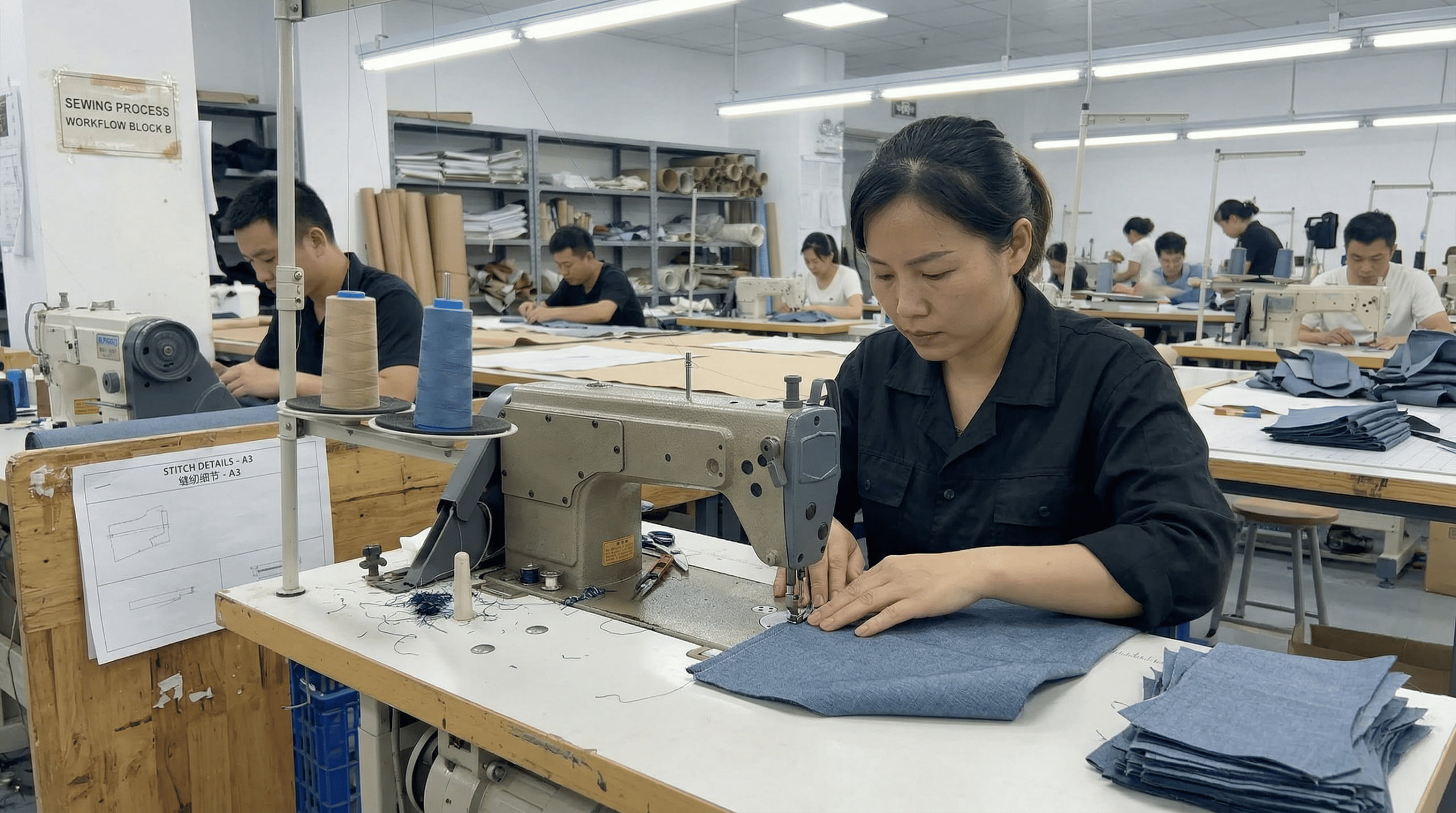
Regardless of your choice, the production process includes fabric sourcing, cutting, sewing, and quality control. A reliable manufacturer ensures consistent quality at every step.
You can learn more about global textile production standards from Fibre2Fashion textile industry resource, which provides insights into manufacturing trends and quality standards.
7. Long-Term Business Strategy
When comparing OEM vs ODM clothing, you should think long-term. OEM is ideal for brands that want to build uniqueness and scale globally. ODM is better for short-term selling or testing products quickly.
Common Mistakes When Choosing OEM vs ODM Clothing
Many brands choose ODM just because it is cheaper. However, this can hurt your brand in the long run. When evaluating OEM vs ODM clothing, always consider your brand positioning and future growth.
Which Option is Right for You
If you want full control, better branding, and long-term success, OEM is the best choice. If you need speed and lower upfront cost, ODM may be a good starting point.
For more guidance, read our article on how to find a reliable clothing manufacturer.
Start Your Clothing Line Today
Still unsure about OEM vs ODM clothing? We help fashion brands choose the best solution with low MOQ, fast sampling, and full OEM support.

Comments