
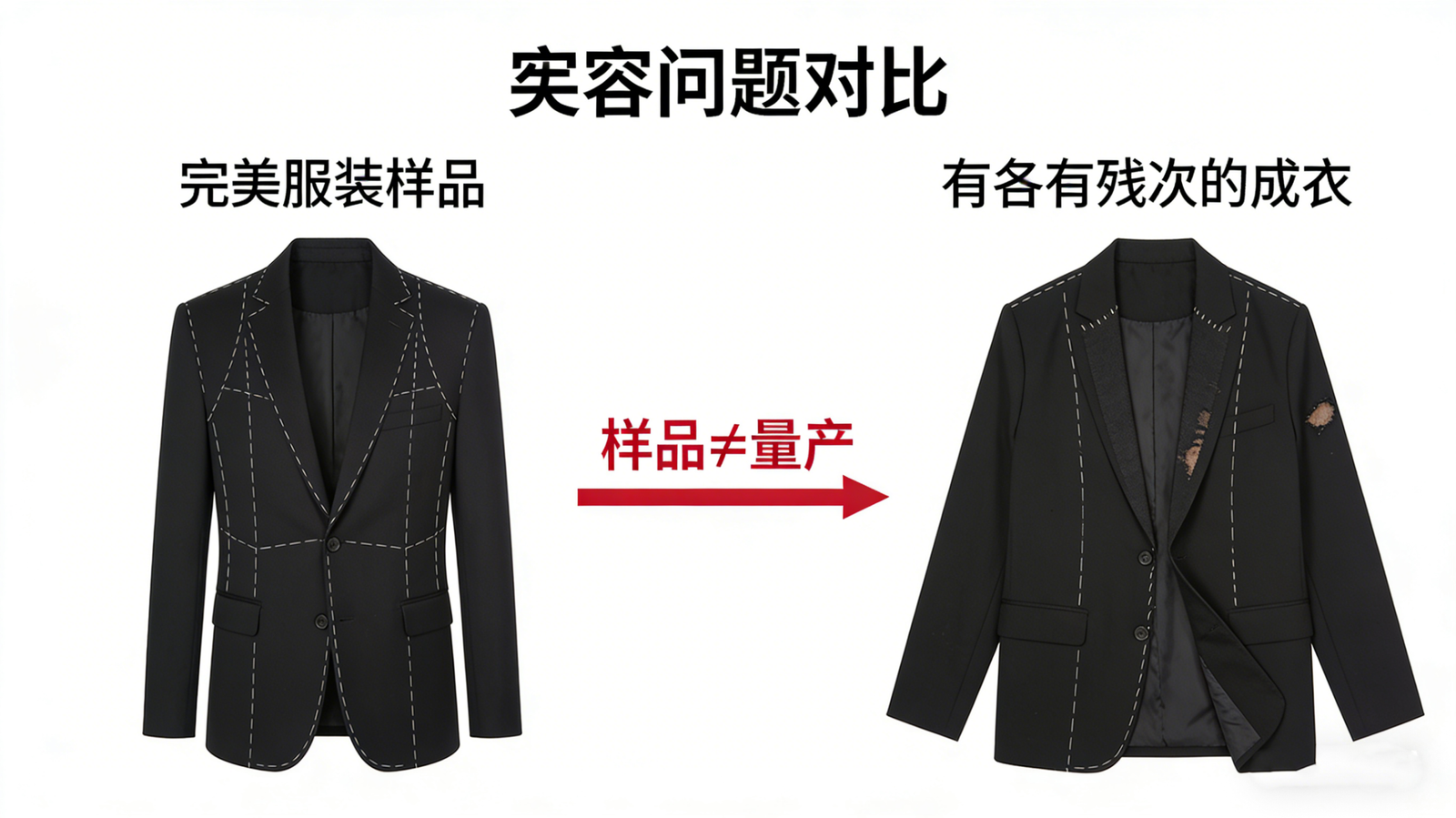
Southeast Asia has emerged as a global hub for Garment OEM production, thanks to its competitive labor costs, growing manufacturing infrastructure, and proximity to major fashion markets. Brands and retailers worldwide flock to countries like Vietnam, Cambodia, and Bangladesh to partner with Garment OEM factories , hoping to cut costs while maintaining product quality. However, the path to successful Garment OEM collaboration in the region is riddled with hidden traps. From shoddy quality control to unexpected cost overruns, even seasoned industry players can stumble. In this article, we’ll break down real-world Garment OEM pitfalls in Southeast Asia and share actionable strategies to protect your business.
Pitfall 1: Quality Disasters—When “Sample Perfection” Doesn’t Translate to Mass Production
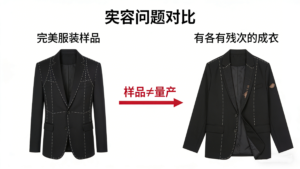
A US-based activewear brand learned this lesson the hard way when partnering with a Cambodian Garment OEM factory. The initial samples—breathable, stretchy, and stitched to perfection—met every standard. But when the first bulk order arrived, 30% of the pieces had uneven hems, frayed seams, and fabric that faded after a single wash. The brand was forced to delay launches, refund retailers, and rework the order—costing over $150,000 in losses.
Why does this happen? Many Southeast Asian Garment OEM factories prioritize sample quality to win contracts but cut corners during mass production. They may use cheaper fabric alternatives, hire unskilled temporary workers, or skip quality checks to meet tight deadlines. For small and medium-sized brands, this risk is even higher, as they often lack the resources to monitor production on-site.
How to Avoid It:Embed Quality Control (QC) into Every Stage: Hire third-party QC inspectors to visit the Garment OEM factory during fabric cutting, sewing, and final packaging. Inspect at least 10% of each batch, not just random pieces. Sign a Detailed Quality Agreement: Specify fabric grades, stitching standards, wash-test requirements, and defect tolerance (eg, “0% major defects, maximum 2% minor defects”). Include penalties for non-compliance. Do a Pilot Run: Before full-scale production, order a small pilot batch (50-100 pieces) to test consistency. This reveals issues early, before they escalate.
Pitfall 2: Communication Gaps—Lost in Translation, Lost in Profit
Language barriers and cultural differences are major pain points in Southeast Asian Garment OEM partnerships. A European fast-fashion label faced a crisis when its Vietnamese Garment OEM factory misinterpreted “relaxed fit” as “oversized.” The factory produced 10,000 shirts that were 2 sizes too big, as the local team relied on Google Translate instead of a native speaker. By the time the mistake was caught, production was complete—leaving the brand with unsellable inventory.
Communication issues go beyond language. Many Garment OEM factories in the region avoid direct confrontation, so they may agree to unrealistic deadlines or unclear requirements instead of speaking up. This “yes culture” can lead to missed timelines and misaligned expectations.
How to Avoid It:Assign a Local Liaison: Hire a bilingual project manager based in the factory’s country to act as a bridge. They understand both your brand’s needs and the Garment OEM factory’s cultural norms. Use Visuals, Not Just Text: Provide detailed tech packs with 3D renderings, size charts with measurements (in both inches and centimeters), and photos of acceptable vs. unacceptable work. Avoid vague terms like “trendy” or “comfortable.” Schedule Regular Check-Ins: Hold weekly video calls with the factory’s production manager. Ask specific questions (“How many pieces have you sewn today? Are there any fabric shortages?”) instead of general updates.
Pitfall 3: Hidden Costs—The “Low Quote” That balloons
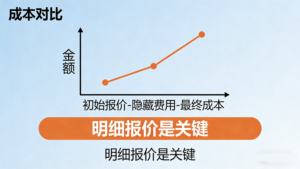
One of the biggest draws of Southeast Asian Garment OEM factories is their low initial quotes. But these quotes often exclude critical expenses, turning a “bargain” into a financial nightmare. A Canadian accessories brand was quoted $8 per unit for cotton tote bags by a Bangladeshi Garment OEM factory. But when the invoice arrived, additional charges were added: $1 per unit for “special thread” (not mentioned in the quote), $0.50 per unit for packaging, and a $2,000 “rush fee” (even though the deadline was agreed upon upfront). The total cost per unit jumped to $11.50—44% higher than expected.
Southeast Asian Garment OEM factories may use low quotes to secure business, then add fees for materials, labor, shipping, or compliance. Brands new to the region often overlook these hidden costs, as they assume the quote is all-inclusive.
How to Avoid It:Request a Detailed, Itemized Quote: Ask the Garment OEM factory to list every cost: fabric, thread, labor, packaging, taxes, duties, and shipping. Specify that no additional fees will be accepted without written approval. Negotiate a Fixed-Price Contract: Once the itemized quote is agreed upon, sign a fixed-price contract to lock in costs. This prevents the factory from adding unexpected fees. Research Local Costs: Use industry databases or local contacts to verify the factory’s pricing. For example, if the factory quotes $2 per meter for organic cotton but local market rates are $3, this is a red flag.

Pitfall 4: Compliance Risks—Legal Troubles That Tarnish Your Brand
Compliance with labor laws, environmental regulations, and safety standards is a critical issue for Garment OEM partnerships in Southeast Asia. A Australian ethical fashion brand faced backlash when a documentary exposed its Myanmar Garment OEM factory for using child labor and paying below minimum wage. The brand lost major retail partners, faced boycotts, and spent millions on a PR crisis—all because it failed to audit the factory’s compliance.
Many Southeast Asian Garment OEM


Comments