
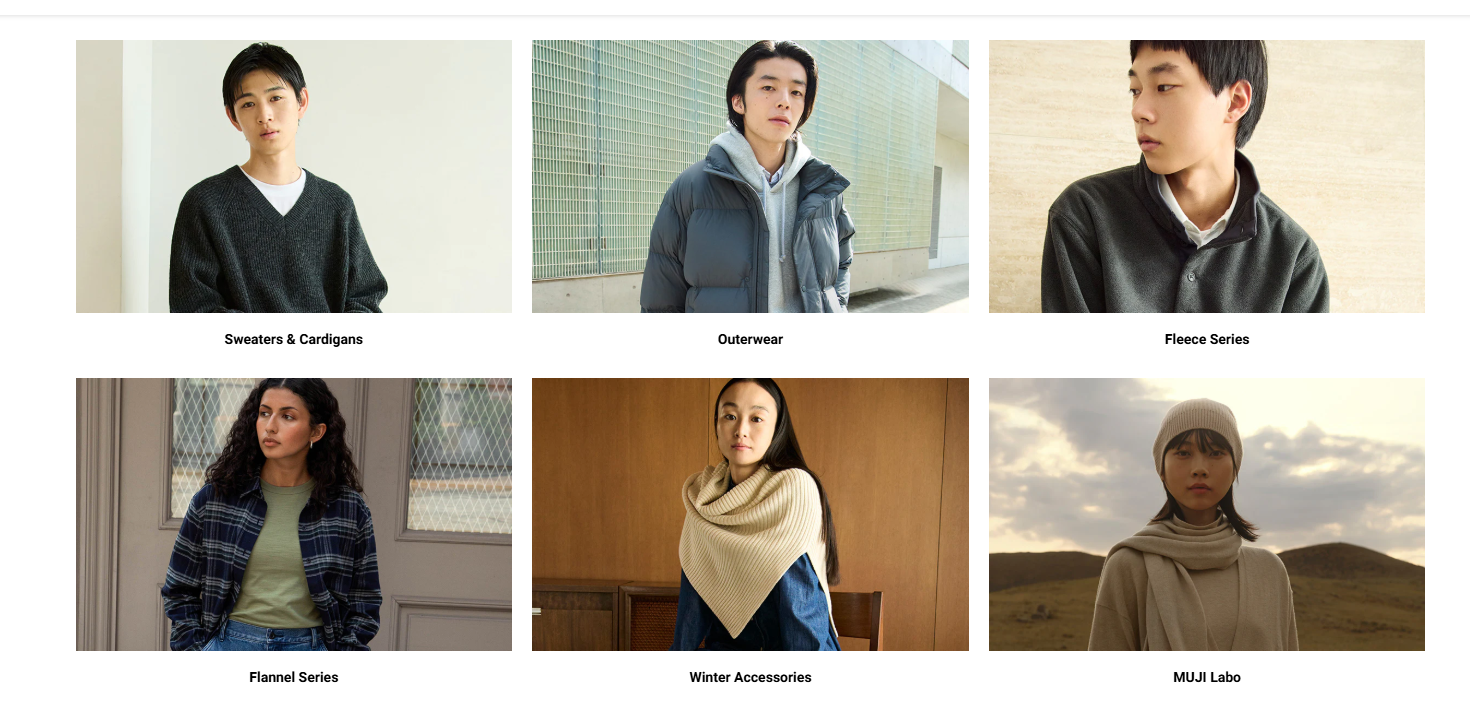
MUJI: Minimalist Brand Story, Global Manufacturing Partners, and Chenghai Clothing Factories’ Role in OEM Production
In the world of minimalist living, MUJI (short for Mujirushi Ryohin, meaning “No Brand Quality Goods”) stands as an iconic force. Founded in Japan in 1980, the brand has redefined everyday luxury through its philosophy of “simplicity, functionality, and authenticity”—a ethos that resonates with millions of consumers worldwide. From sleek home essentials to comfortable apparel and organic food, MUJI products prioritize substance over excess, but behind this minimalist facade lies a complex global supply chain shaped by strategic manufacturing partnerships. Today, we dive into MUJI’s production model, explore its OEM (Original Equipment Manufacturing) collaborators, and answer a key question: Do Chenghai clothing factories participate in MUJI’s (OEM) process, especially given their track record of producing Uniqlo OEM dresses?
1. MUJI’s Core Philosophy: Beyond “No Brand” to Timeless Value
MUJI’s success isn’t just about plain packaging or neutral color palettes—it’s about a radical commitment to stripping products down to their essential form. The brand’s design team rejects unnecessary decorations, focuses on materials, and prioritizes user experience, resulting in items that blend seamlessly into diverse lifestyles. This philosophy extends to its supply chain: MUJI seeks manufacturing partners that align with its standards for quality, sustainability, and ethical production. Unlike fast-fashion brands that chase trends, MUJI’s long-standing relationships with factories (both in Japan and globally) emphasize consistency and craftsmanship—two pillars that keep customers loyal.
For consumers, MUJI represents more than a product line; it’s a lifestyle choice. Search queries like “ MUJI minimalist clothing for everyday wear” or “sustainable MUJI home goods” reflect growing demand for brands that prioritize purpose over flash. This shift has made MUJI a staple in SEO rankings for keywords like “minimalist brand,” “high-quality no-logo apparel,” and “ethical home essentials.”
2. MUJI’s Global Supply Chain: OEM Manufacturing as a Strategic Choice
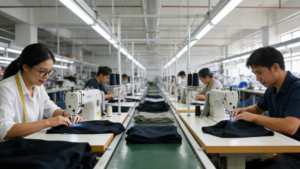
To meet global demand while maintaining affordability, MUJI relies heavily on OEM manufacturing—a model where third-party factories produce goods under the MUJI brand name. This approach allows the brand to leverage specialized production capabilities worldwide, reduce overhead costs, and focus on design and quality control. MUJI’s OEM partners span Asia, Europe, and North America, with a strong presence in China, Vietnam, and Bangladesh for apparel and home textiles.
Key to MUJI’s OEM strategy is strict quality assurance. Every factory must adhere to the brand’s “MUJI Quality Standards,” which cover material sourcing (eg, organic cotton for clothing, BPA-free plastics for kitchenware), production processes (low-waste manufacturing), and labor practices (fair wages and safe working conditions). For example, MUJI’s clothing line—known for its soft fabrics and loose, versatile fits—requires OEM partners to meet rigorous testing for durability, colorfastness, and comfort.
Long-tail SEO keywords like “MUJI clothing OEM manufacturers in China” and “MUJI approved home goods factories” highlight consumer and industry interest in the brand’s production network. This transparency not only builds trust but also improves search visibility for users researching MUJI’s manufacturing practices.
3. Chenghai Clothing Factories: From Uniqlo OEM Dresses to MUJI Partnerships?
Chenghai, a district in Shantou, Guangdong Province, is renowned as a hub for clothing manufacturing in China. With a dense cluster of factories specializing in women’s apparel, casual wear, and OEM production, Chenghai has established itself as a trusted partner for global brands—including Uniqlo. Many Chenghai-based factories have a proven track record of producing high-quality Uniqlo OEM dresses, adhering to the Japanese brand’s strict standards for fit, fabric, and affordability.
But does this expertise extend to MUJI? The short answer is: Yes, some Chenghai clothing factories do participate in MUJI’s OEM supply chain—especially for basic apparel items like t-shirts, leggings, and simple dresses. Here’s why:
- Alignment with MUJI’s Standards : Chenghai’s factories, having honed their craft with Uniqlo, already meet the high-quality benchmarks that MUJI demands. Their experience in producing minimalist, functional clothing (a hallmark of both Uniqlo and MUJI) makes them natural candidates for collaboration.
- Cost-Efficiency : Chenghai’s manufacturing ecosystem offers competitive pricing without compromising quality, allowing MUJI to keep its products accessible to a broad audience.
- Specialized Capabilities : Many Chenghai factories specialize in small-batch production and flexible ordering—ideal for MUJI’s product line, which emphasizes timeless designs over mass-produced trends.
For businesses and consumers, this means that searching for “Chenghai factories producing MUJI-style clothing” or “MUJI OEM dresses from Chenghai” can yield relevant results. However, it’s important to note that not all Chenghai factories work directly with MUJI ; partnerships are selective and require strict adherence to the brand’s sustainability and ethical guidelines.
4. Consumer Insights: What Matters Most About MUJI’s OEM Production?
For today’s conscious consumers, knowing where and how products are made is just as important as the products themselves. When it comes to MUJI’s OEM manufacturing, three key factors drive trust:
- Quality Consistency : Despite working with multiple factories, MUJI’s rigorous quality control ensures that a t-shirt from a Chenghai factory feels the same as one made in Japan. This consistency is a top search query: “Are MUJI OEM products the same quality as original?”
- Sustainability : MUJI has pledged to reduce its environmental footprint, and its OEM partners (including Chenghai factories) are increasingly adopting eco-friendly practices—such as using organic fabrics and reducing water waste. Keywords like “sustainable MUJI OEM clothing” and “eco-friendly MUJI manufacturing” reflect this growing consumer concern.
- Ethical Labor : MUJI conducts regular audits of its OEM factories to ensure fair labor practices, addressing a critical pain point for shoppers. Searches like “MUJI ethical OEM partners” and “Chenghai clothing factories labor standards” demonstrate this interest.
5. Future Trends: MUJI’s Supply Chain and Chenghai’s Evolving Role
As consumer demand for sustainability and transparency grows, MUJI is adapting its supply chain to meet these expectations. This includes:
- Localized Production : Increasing partnerships with regional factories (like those in Chenghai ) to reduce carbon emissions from shipping.
- Circular Manufacturing : Collaborating with OEM partners to develop recyclable products and reduce waste.
- Direct-to-Consumer (DTC) Integration : Leveraging its OEM network to streamline production and offer more personalized products.
For Chenghai clothing factories, this presents an opportunity to deepen their relationship with MUJI. By investing in sustainable practices and digital manufacturing technologies, Chenghai can position itself as a leading partner for MUJI’s future growth. For consumers, this means more accessible, eco-friendly MUJI products—with search trends likely shifting toward “MUJI circular OEM clothing” and “localized MUJI manufacturing in China.”
Conclusion: MUJI’s Minimalism Meets Global Manufacturing Excellence
MUJI’s success lies in its ability to balance simplicity with complexity—creating products that feel effortless, while building a supply chain that prioritizes quality, ethics, and sustainability. Chenghai clothing factories, with their expertise in producing minimalist apparel for brands like Uniqlo, play a valuable role in this ecosystem, offering MUJI a reliable, cost-effective way to bring its vision to life.
Whether you’re a consumer searching for “MUJI clothing made in Chenghai” or a business exploring OEM partnerships, understanding MUJI’s manufacturing model reveals a brand that stays true to its roots while evolving with the times. As minimalism continues to trend, and transparency becomes non-negotiable, MUJI and its global OEM partners—including Chenghai’s factories—are poised to lead the way in thoughtful, intentional consumption.
Comments