
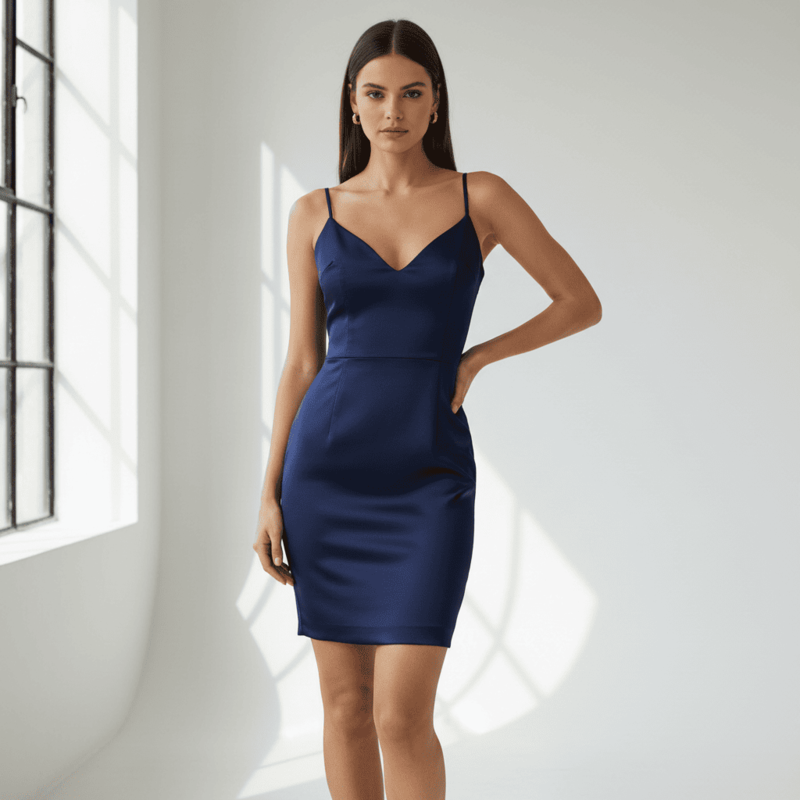
Sustainable UNIQLO Clothing Supplier: Eco-Friendly Production & Compliance Certification
In the global fashion industry’s shift toward sustainability, UNIQLO OEM suppliers play a pivotal role in turning eco-conscious goals into tangible action. As a leader in affordable, high-quality apparel, UNIQLO’s commitment to environmental responsibility and ethical manufacturing relies heavily on its OEM partners—who must balance efficiency, innovation, and strict compliance standards. This article explores how top UNIQLO OEM suppliers are redefining sustainable production, earning trusted certifications, and driving innovation in the apparel supply chain.

What Makes a Sustainable UNIQLO OEM Supplier?
A standout UNIQLO OEM supplier isn’t just a manufacturer—it’s a strategic partner aligned with UNIQLO’s LifeWear philosophy: creating clothing that’s functional, durable, and kind to the planet. Sustainable UNIQLO OEM suppliers distinguish themselves through three core pillars:
1. Eco-Friendly Materials & Production Processes
UNIQLO OEM manufacturers are prioritizing circularity and resource efficiency by:
- Sourcing renewable materials: From organic cotton (reducing pesticide use by 90% vs. conventional cotton) to recycled polyester made from plastic bottles (each UNIQLO down jacket uses ~20 recycled bottles).
- Adopting low-impact technologies: Waterless dyeing systems, solar-powered factories, and energy-efficient sewing machines cut carbon emissions by 25–40% compared to traditional facilities.
- Minimizing waste: Zero-waste cutting techniques, fabric scrap recycling programs, and biodegradable packaging reduce landfill contributions—key for UNIQLO’s goal of carbon neutrality by 2050.
2. Rigorous Compliance Certification
Trust in UNIQLO OEM suppliers starts with third-party validation. Leading partners hold globally recognized certifications to meet UNIQLO’s strict standards:
- GOTS (Global Organic Textile Standard) : Ensures organic fiber integrity from farm to factory, mandatory for UNIQLO’s organic cotton lines.
- Fair Trade Certified™ : Guarantees fair wages and safe working conditions for factory workers—an non-negotiable for UNIQLO’s ethical supply chain.
- ISO 14001 (Environmental Management System) : Validates systematic efforts to reduce environmental impact, from waste management to water conservation.
- UNIQLO’s Internal Audit Program : Beyond external certifications, suppliers undergo annual audits to verify compliance with UNIQLO’s Code of Conduct, covering labor rights, anti-discrimination, and fire safety.
3. Collaborative Innovation with UNIQLO
Sustainable UNIQLO OEM suppliers don’t just follow rules—they co-create solutions. Examples of innovative partnerships include:
- Joint R&D for eco-friendly fabrics: UNIQLO’s OEM partners helped develop AIRism Biofresh, a moisture-wicking fabric made with plant-based fibers that reduce microplastic pollution.
- Digital supply chain tracking: Blockchain technology lets UNIQLO and its OEM suppliers trace materials from source to shelf, enhancing transparency for consumers.
- Circular product design: Suppliers collaborate with UNIQLO to create garments that are easy to recycle (eg, single-material construction for seamless recycling).

Why UNIQLO OEM Suppliers Prioritize Sustainability & Compliance
For UNIQLO OEM manufacturers, sustainability isn’t just a trend—it’s a business imperative:
- Brand Alignment : UNIQLO’s global customer base increasingly chooses brands with eco-credentials. Sustainable UNIQLO OEM suppliers gain a competitive edge by meeting this demand.
- Risk Mitigation : Compliance with international standards reduces legal risks (eg, bans on non-recyclable materials) and reputational damage from unethical practices.
- Cost Savings : Energy-efficient processes and waste reduction lower long-term operational costs—critical in the low-margin apparel industry.
- Long-Term Partnerships : UNIQLO rewards top-performing sustainable OEM suppliers with extended contracts and collaborative growth opportunities, fostering mutual success.
The Future of UNIQLO OEM: Next-Level Sustainability
As consumer expectations and environmental regulations evolve, UNIQLO OEM suppliers are doubling down on innovation:
- Net-Zero Factories : Leading suppliers aim to power 100% of production with renewable energy by 2030, aligning with UNIQLO’s carbon reduction targets.
- Biodegradable Textiles : Research into mushroom leather, seaweed-based fibers, and other bio-materials to replace synthetic fabrics.
- Consumer-Led Circularity : OEM partners are supporting UNIQLO’s garment recycling programs, where old clothes are collected, processed, and turned into new UNIQLO products—closing the loop.
- AI-Powered Efficiency : Machine learning tools optimize production schedules, reduce overstock, and minimize resource waste in UNIQLO OEM facilities.
Choosing the Right Sustainable UNIQLO OEM Supplier
- Proven track record of eco-friendly production (eg, published sustainability reports, third-party certifications).
- Alignment with UNIQLO’s ethical standards (labor rights, safety, anti-corruption).
- Capacity for innovation (eg, experience with circular design or renewable energy).
- Transparent supply chain practices (traceability tools, open communication about processes).
Conclusion
Sustainable UNIQLO OEM suppliers are the backbone of UNIQLO’s commitment to ethical, eco-friendly fashion. By integrating green production, strict compliance, and collaborative innovation, these partners not only meet UNIQLO’s high standards but also set benchmarks for the entire apparel industry. As sustainability becomes non-negotiable for consumers and regulators alike, the role of UNIQLO OEM suppliers will only grow—driving positive change while delivering the affordable, durable clothing UNIQLO is known for. Whether you’re a brand seeking a trusted partner or a consumer curious about how your clothes are made, the future of UNIQLO OEM is bright, sustainable, and compliant.

Comments