
Behind Zara’s Fast Fashion Reign: The Unsung Power of Zara Clothing OEM Factory
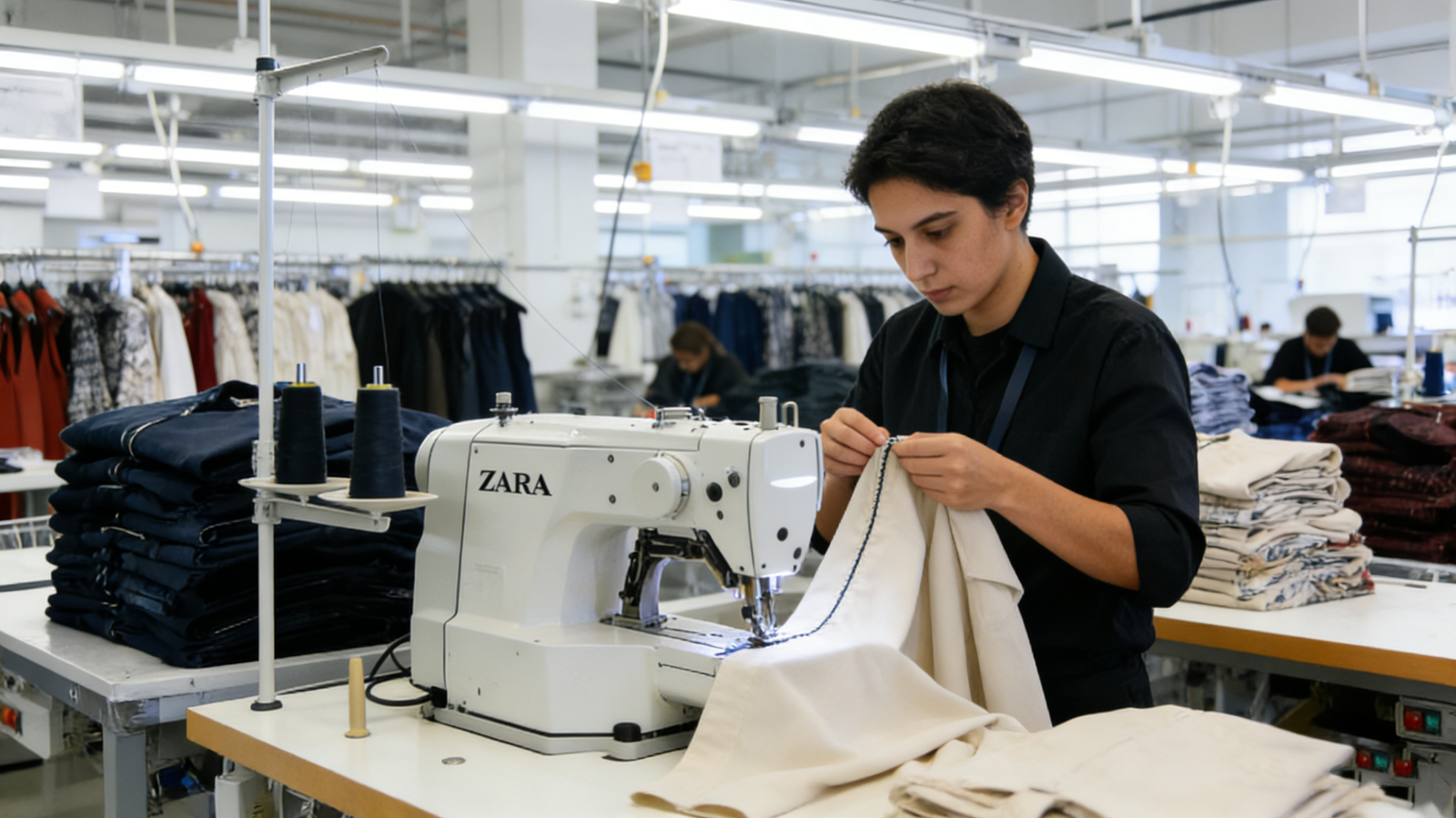
When you walk into a Zara store and run your fingers over a crisp cotton shirt or a tailored denim jacket, you’re not just touching a piece of clothing—you’re experiencing the seamless synergy between a global fashion giant and its backbone: the Zara clothing OEM factory . Zara’s ability to turn runway trends into store-ready pieces in just two weeks isn’t a magic trick; it’s the result of strategic collaboration with reliable Zara clothing OEM factory partners who master speed, quality, and flexibility. In this article, we’ll pull back the curtain on these unsung heroes, exploring how they fuel Zara’s success and what makes a top-tier Zara clothing OEM factory stand out in the competitive fast fashion landscape.

The Core Role of Zara Clothing OEM Factory: Speed That Defines Fast Fashion
Fast fashion’s lifeblood is speed, and Zara’s Zara clothing OEM factory network is built to deliver exactly that. Unlike traditional fashion brands that rely on in-house production (a model that slows down turnaround), Zara partners with specialized Zara clothing OEM factory entities—many located in Spain, Portugal, and Turkey—to handle manufacturing. This proximity isn’t accidental: it cuts down shipping time and allows for real-time adjustments.
A standout Zara clothing OEM factory doesn’t just “make clothes”; it acts as an extension of Zara’s design team. For example, when Zara’s trend forecasters spot a viral street style look, the design team quickly finalizes patterns and sends them to partner Zara clothing OEM factory s. These factories, equipped with advanced cutting and sewing technology, can start production within 48 hours and ship finished goods to Zara’s distribution centers in under a week. This agility is what keeps Zara’s shelves fresh—while competitors wait months for seasonal collections, Zara’s Zara clothing OEM factory partners ensure new pieces arrive every two weeks.
Quality Control: Non-Negotiable for Zara Clothing OEM Factory Partners
Speed doesn’t come at the cost of quality for Zara—and that demand trickles down to every Zara clothing OEM factory it works with. Zara’s customers expect durability and fit that match the brand’s sleek aesthetic, so the brand has strict quality standards for its OEM partners. A qualified Zara clothing OEM factory for premium basics will implement multi-stage inspections: from testing fabric strength to checking stitch consistency and button fastness.
Take Zara’s popular knit sweaters, for instance. A Zara clothing OEM factory tasked with producing these pieces must source yarn that resists pilling and maintains shape after washing. Zara’s quality assurance team conducts random audits at the factory, and any batch that fails to meet standards is rejected immediately. This commitment to quality is why Zara’s OEM partners aren’t just suppliers—they’re trusted collaborators who understand the brand’s reputation is on the line.
Sustainability: The New Benchmark for Zara Clothing OEM Factory
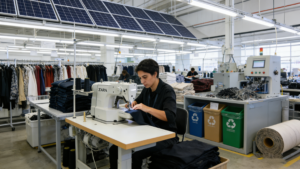
As consumers grow more eco-conscious, Zara has pushed its Zara clothing OEM factory network to adopt sustainable practices. The brand’s “Join Life” collection, which uses 100% sustainable materials, relies heavily on OEM partners that prioritize green manufacturing. A forward-thinking Zara clothing OEM factory focused on eco-friendly production (another long-tail keyword) will use recycled fabrics, energy-efficient machinery, and water-saving dyeing processes.
For example, a Turkish Zara clothing OEM factory recently invested in solar panels to power its production line, cutting its carbon footprint by 30%. Another factory in Portugal uses a closed-loop water system that recycles 95% of the water used in dyeing. These changes aren’t just good for the planet—they’re good for business. Zara’s customers are 2x more likely to purchase from the Join Life line, making sustainable OEM partners a critical asset for the brand’s future growth.
Inside the Collaboration: How Zara Works With Its OEM Factories
Zara’s relationship with its Zara clothing OEM factory partners is built on transparency and communication. The brand uses a centralized digital platform to share design specs, production timelines, and sales data with its OEMs. This real-time data allows factories to adjust production volumes based on demand—if a particular dress is selling out faster than expected, the Zara clothing OEM factory can ramp up production mid-week to avoid stockouts.
Zara also invests in training for its OEM partners. For new factories, Zara’s team provides workshops on lean manufacturing and quality control. For long-term partners, the brand offers incentives for adopting sustainable practices, such as higher order volumes or longer contracts. This collaborative approach ensures that every Zara clothing OEM factory is aligned with Zara’s goals—whether that’s speed, quality, or sustainability.
【Q: What qualities does Zara look for when choosing a Zara clothing OEM factory? A: Zara prioritizes three core qualities: speed (ability to meet 7-10 day turnaround times), quality (consistent adherence to strict standards), and adaptability (ability to adjust production volumes or tweak designs last minute). For newer partnerships, sustainability credentials are also a key deciding factor.】
【Q: How do Zara clothing OEM factory partners contribute to Zara’s competitive edge? A: By handling manufacturing, Zara’s OEM factories free the brand to focus on what it does best—trend forecasting and design. Their speed allows Zara to beat competitors to market, while their quality ensures customer loyalty. Additionally, the OEM network’s flexibility means Zara can produce smaller batches, reducing waste and minimizing the risk of unsold inventory.】

The Future of Zara Clothing OEM Factory: Innovation and Resilience
As fast fashion evolves, so too will Zara’s Zara clothing OEM factory partnerships. The brand is already exploring AI-powered production with some OEMs—using machine learning to predict fabric needs and optimize cutting patterns, reducing material waste by up to 15%. There’s also a push for more local OEMs in key markets, such as Asia and North America, to further speed up delivery and reduce shipping emissions.
One thing is clear: the Zara clothing OEM factory will remain central to Zara’s success. These factories aren’t just “suppliers”—they’re the engine that drives Zara’s fast fashion machine, turning ideas into clothes that millions of people love.
Join the Conversation
Do you work with a Zara clothing OEM factory and have insights to share? Or are you curious about how Zara’s OEM network adapts to changing fashion trends? Drop a comment below—we’d love to hear your thoughts. If you’re an OEM factory looking to align with brands like Zara, what’s the biggest challenge you face? Let’s discuss!




Comments