

Introduction: GU’s OEM Secret to Accessible Fashion Excellence
https://www.gu-global.com/us/en/men/outerwear
As a beloved affordable fashion brand, GU has redefined value-driven style by partnering with top-tier GU OEM manufacturers worldwide. Behind every budget-friendly blouse, durable denim, and on-trend accessory lies a network of factories that blend efficiency, sustainability, and rigorous quality control. This article takes you inside GU’s OEM operations—exploring how the brand balances affordability with ethical production, cutting-edge technology, and global standards.



1. The GU OEM Model: Where Brand Vision Meets Manufacturing Expertise
GU’s success hinges on its strategic GU OEM collaboration model, a cornerstone of the brand’s ability to deliver high-quality products at accessible prices. Unlike traditional manufacturing, GU retains full control over design, material selection, and brand identity, while trusted OEM partners handle the production process—adhering to the brand’s strict specifications and ethical guidelines ¹.
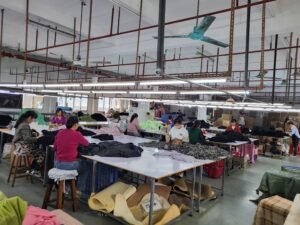
- Core Collaboration Dynamics : GU’s design team develops trend-forward prototypes, then works closely with GU OEM factories to refine patterns, optimize fabric usage, and ensure cost-effectiveness. This division of labor allows GU to focus on creativity and market responsiveness, while OEM partners leverage their manufacturing expertise to scale production efficiently.
- Win-Win for Affordability : By partnering with specialized GU OEM manufacturers, the brand avoids the overhead of owning factories, passing savings directly to consumers. Yet this cost efficiency never compromises quality—GU’s OEM partners must meet GMP (Good Manufacturing Practice) standards, covering everything from workplace safety to product consistency ³.
2. Sustainable Manufacturing: GU OEM’s Green Revolution

In an era of eco-conscious consumption, GU’s OEM factories are leading the charge in sustainable GU OEM practices , aligning with global green manufacturing trends ¹. Here’s how:
- Renewable Energy Adoption : Many GU OEM facilities power production with solar or wind energy, reducing carbon emissions by up to 30% compared to traditional factories. For example, GU’s Southeast Asian OEM partners have installed solar panels on factory rooftops, cutting reliance on fossil fuels while lowering operational costs.
- Eco-Friendly Materials & Waste Reduction : GU mandates that GU OEM manufacturers use recycled fabrics (eg, 100% recycled polyester for activewear) and implement lean manufacturing techniques to minimize waste ¹. Scrap fabric is repurposed into accessories or donated, while water-based dyes replace toxic alternatives—protecting both workers and the environment.
- Carbon Footprint Tracking : Advanced sensors in GU OEM factories monitor energy and resource usage in real time, enabling continuous optimization. GU’s 2024 sustainability report highlights that its OEM network has reduced water consumption by 25% and carbon emissions by 18% since 2020.
3. Quality Control: How GU OEM Factories Uphold Brand Trust
Affordability doesn’t mean cutting corners— GU OEM facilities adhere to rigorous quality standards that rival luxury brands:
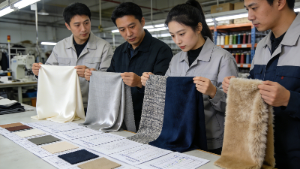
- GMP-Certified Processes : All GU OEM partners undergo regular audits to ensure compliance with GMP guidelines ³. This includes strict protocols for raw material inspection, production line hygiene, and final product testing (eg, fabric durability, colorfastness, and fit).
- Smart Quality Assurance : Modern GU OEM factories use AI-powered cameras and data analytics to detect defects early in the production process. For instance, automated systems check for stitching irregularities or fabric flaws, reducing human error and ensuring consistency across millions of units.
- Worker-Centric Quality : GU invests in training programs for GU OEM factory staff, empowering workers to identify and address quality issues. Well-trained teams not only uphold standards but also contribute to process improvements—such as optimizing pattern cutting to reduce fabric waste.
4. Technological Innovation: The Future of GU OEM Manufacturing

GU’s OEM network is at the forefront of industrial innovation, leveraging smart technology to enhance efficiency and flexibility:
- Digital Pattern Making : GU OEM factories use 3D modeling software to translate GU’s designs into production-ready patterns, reducing lead times by 40% and minimizing sample waste. This agility allows the brand to respond quickly to fashion trends.
- Smart Production Lines : IoT sensors track equipment performance, inventory levels, and workflow in real time. For example, in GU’s Chinese OEM facilities, automated conveyor systems route materials to workstations based on demand, cutting production time by 20% ⁴.
- Sustainable Tech Integration : Some GU OEM factories use waterless dyeing technology and energy-efficient machinery, further aligning with GU’s sustainability goals while improving production speed.
5. Global Reach: GU OEM Factories’ Role in a Connected Supply Chain
GU’s OEM manufacturing network spans Asia, Europe, and the Americas, strategically located to optimize logistics and reduce carbon footprint:
- Regionalized Production : Factories near key markets (eg, Vietnam for Southeast Asia, Portugal for Europe) minimize shipping distances, lowering emissions and ensuring faster delivery.
- Transparent Supply Chains : GU publishes annual reports detailing its GU OEM partners, including factory locations, labor practices, and sustainability metrics. This transparency builds consumer trust and meets growing demand for ethical fashion.
Conclusion: GU OEM—Where Affordability, Quality, and Sustainability Converge
GU’s OEM factories are more than production hubs—they’re the engine of the brand’s promise to make fashion accessible without sacrificing values. By partnering with top GU OEM manufacturers, GU combines cost-effective production with green practices, strict quality control, and technological innovation. For consumers, this means stylish, durable products at fair prices; for the industry, it’s a blueprint for how affordable fashion can lead the way in sustainability.
As GU OEM practices continue to evolve—with greater investment in renewable energy, circular economy models, and smart technology—the brand reaffirms that affordability and responsibility can go hand in hand.


Comments