
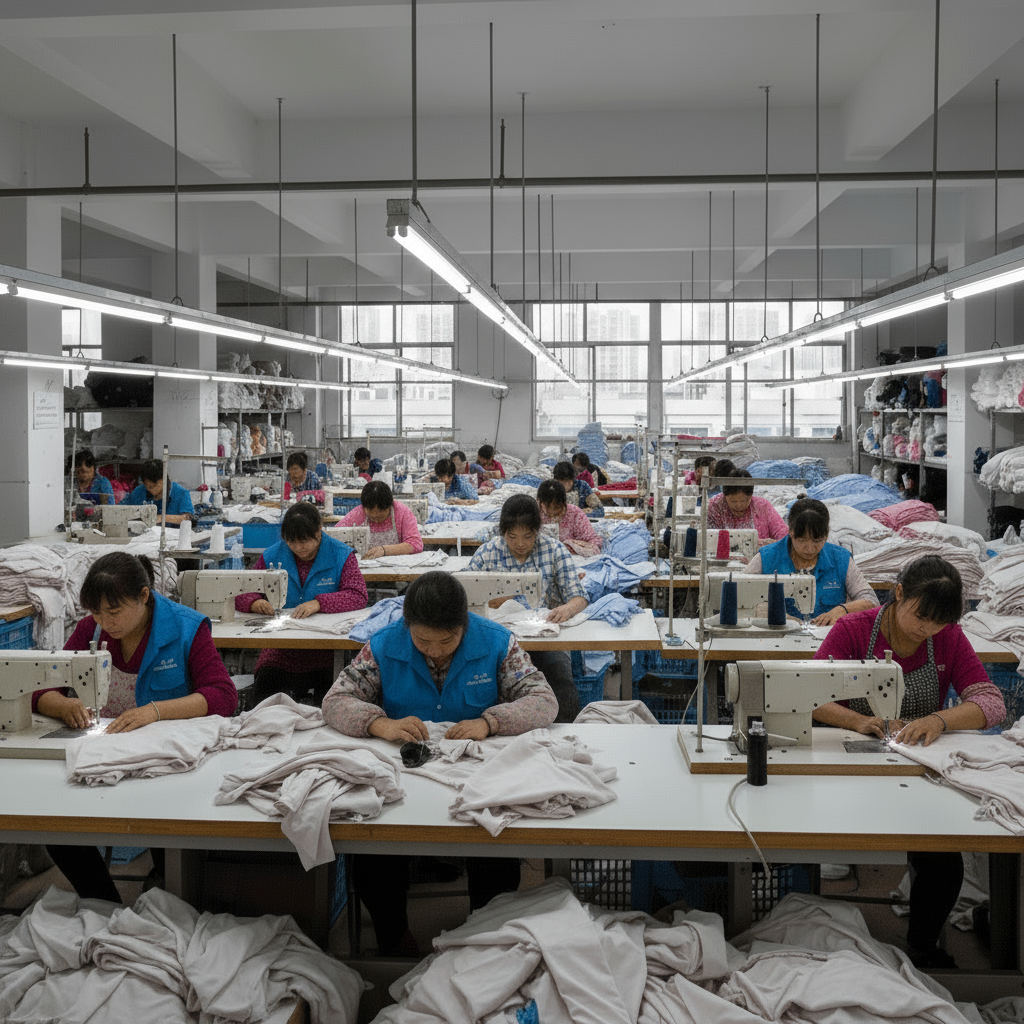
Struggling to find a reliable manufacturer in China? Worried about scams, poor quality, and communication breakdowns? I’ll show you the proven ways to connect directly with trustworthy factories.
**To get in touch with a manufacturer in China, use [online B2B platforms like Alibaba](https://reverbico.com/blog/top-10-b2b-websites-for-dropshipping-in-china/)[^1], attend major trade shows, or hire sourcing agents. The most effective method is to clearly define your product needs and then vet potential factories by [requesting samples and conducting factory audits](https://chinaproductpros.com/sample-order-process-getting-samples-from-chinese-manufacturers/)[^2].**

Knowing the channels is just the first step. The real challenge is making that initial contact count and building a solid foundation for a business relationship. It’s about more than just sending a generic email and hoping for the best. After starting my own factory from scratch in 2017, I’ve been on both sides of this process. I’ve learned what separates a successful partnership from a frustrating failure. Let’s break down the practical steps to not just find a factory, but to connect with the right one.
## How to connect with manufacturers in China?
Finding a list of factories is easy, but building a real connection is hard. You might worry that your emails will be ignored or that you’ll end up with a bad partner. I’ll guide you through making a professional first impression that gets results.
**To truly connect with manufacturers, you need a three-part approach. First, prepare a [detailed request for quotation (RFQ)](https://www.responsive.io/blog/rfq-templates-examples)[^3] with all your product specifications. Second, use multiple channels to find potential partners. Third, communicate professionally and clearly to build trust from the very first message.**

Connecting with the right manufacturer is the most critical decision for a brand owner. When I started my factory, a journey filled with countless partnership overtime nights to meet deadlines and ensure quality, I learned the value of a clear, trusting. I remember nights spent personally re-checking every single garment because quality is a promise you can’t break. That commitment is what I look for in partners, and it’s what manufacturers look for in clients. A strong connection is built on mutual respect and clear communication from day one. Let’s dive into how deeper to build that kind of relationship.
### Step 1: Prepare Your “Tech Pack”
Before you even think about sending an email, you must have your technical package, or “tech pack,” ready. This is the single most important document in apparel manufacturing. It’s the blueprint for your product. A professional manufacturer will take you more seriously if you have a detailed tech pack.
Your tech pack should include:
– **Technical Drawings:** Flat sketches of your garment from the front, back, and side.
– **Measurements:** A full garment specification sheet with all key measurements and tolerances.
– **Materials:** A [Bill of Materials (BOM)](https://www.netsuite.com/portal/resource/articles/erp/bill-of-materials-bom.shtml)[^4] listing every single item, from the main fabric to threads and buttons. Include fabric composition (e.g., 100% organic cotton), weight (e.g., 220 GSM), and color (Pantone codes).
– **Construction Details:** Information on stitching types, seam finishes, and any special techniques required.
– **Branding & Labels:** Placement and design details for all logos, tags, and labels.
A detailed tech pack shows you are a professional who has thought through your product. It minimizes misunderstandings and allows factories to give you an accurate price quote. A vague request gets a vague, and often unreliable, answer.
### Step 2: Find Potential Manufacturers
Once your tech pack is complete, it’s time to find factories. Don’t just rely on one source. Use a combination of methods to build a list of potential partners.
| Channel | Pros | Cons |
| :— | :— | :— |
| **[B2B Platforms](https://resolvepay.com/blog/post/exploring-the-pros-and-cons-of-b2b-marketplaces/)[^5]** | Huge selection (Alibaba, Made-in-China). Easy to search and filter. | Many are trading companies, not factories. Quality can be mixed. |
| **[Trade Shows](https://www.mtseries.com/news/manufacturing-technology-trade-shows/)[^6]** | Meet face-to-face (Canton Fair, Intertextile). See product quality firsthand. | Can be expensive to attend. Requires travel. |
| **[Sourcing Agents](https://zignify.net/blog/how-to-find-reliable-sourcing-agent-in-china/)[^7]** | Experienced local experts. They handle vetting and communication. | Adds a cost to your product. You have less direct control. |
| **[Direct Referrals](https://viral-loops.com/referral-marketing/maximize-business-growth-with-the-complete-guide-to-types-of-referrals)[^8]** | Highly trusted source. Based on a successful partnership. | Can be very difficult to get from others in the industry. |
My advice is to start with online platforms to build a long list (10-20 factories). Then, use that list to dig deeper. Check their company profiles, look for [certifications like OEKO-TEX or BSCI](https://makersrow.com/blog/certifications-choosing-a-clothing-manufacturer/)[^9], and see if they specialize in your product type (e.g., premium knitwear).
### Step 3: Make Professional First Contact
Now, you can finally reach out. Your first email is your chance to make a good impression. Keep it clear, concise, and professional.
Here is a simple template for a first email:
**Subject:** RFQ for Custom T-Shirts – [Your Brand Name]
Dear [Factory Contact Person Name, if you can find it],
My name is [Your Name] and I am the [Your Title] at [Your Brand Name]. We are a brand based in [Your Country] specializing in high-quality apparel.
We are interested in manufacturing a line of custom t-shirts and found your company on [Platform, e.g., Alibaba]. We are impressed by your specialization in premium knitwear.
Please find our detailed tech pack attached. We would like to request a quotation (RFQ) based on the following order quantities:
– 500 units
– 1,000 units
– 2,000 units
Could you please provide a quote for the cost per unit, sample cost, and estimated production lead time?
Thank you for your time. We look forward to the possibility of working together.
Best regards,
[Cici]
[https://orangeseaclothing.com/]
This email does three things perfectly: it introduces you as a serious business, it provides all the necessary information upfront (the tech pack), and it has a [clear call to action](https://www.forbes.com/councils/forbescoachescouncil/2018/12/26/why-your-call-to-action-needs-to-be-clear-and-compelling/)[^10] (provide a quote). This structured approach is how you begin to build a professional and lasting manufacturing partnership.
## Conclusion
Getting in touch with a Chinese manufacturer is about clear preparation, professional communication, and building trust. Follow these steps to find not just a supplier, but a true partner.
—
[^1]: Explore this link to discover the most effective online platforms for connecting with Chinese manufacturers, ensuring a wide selection and easy search options.
[^2]: Learn how to effectively request samples and conduct audits to ensure quality and reliability when dealing with Chinese factories.
[^3]: Understand the importance of a detailed RFQ and how it can help you get accurate quotes and build trust with manufacturers.
[^4]: Discover the significance of a BOM in manufacturing and how it ensures all materials are accounted for in your product design.
[^5]: Explore the pros and cons of using B2B platforms to find manufacturers, helping you make informed decisions.
[^6]: Learn how attending trade shows can provide face-to-face interactions and firsthand product quality assessments.
[^7]: Understand the role of sourcing agents in vetting and communicating with manufacturers, potentially saving you time and effort.
[^8]: Find out how to secure direct referrals, which can be a trusted source for finding reliable manufacturing partners.
[^9]: Learn about the importance of certifications in ensuring quality and ethical standards in manufacturing.
[^10]: Understand the importance of a clear call to action in emails to ensure your communication is effective and goal-oriented.


Comments