
How to Find the Right Women’s Apparel Factory?
For women’s apparel entrepreneurs, finding a suitable factory is crucial for laying a solid foundation for brand development. A high-quality factory ensures stable product quality, on-time delivery, and flexible customization options; conversely, an unreliable factory can lead to inconsistent quality, delayed deliveries, and inefficient communication, directly impacting brand reputation and operational efficiency. So, how do you select the most suitable women’s apparel factory?
Clarify Your Needs and Precisely Define Your Selection Target
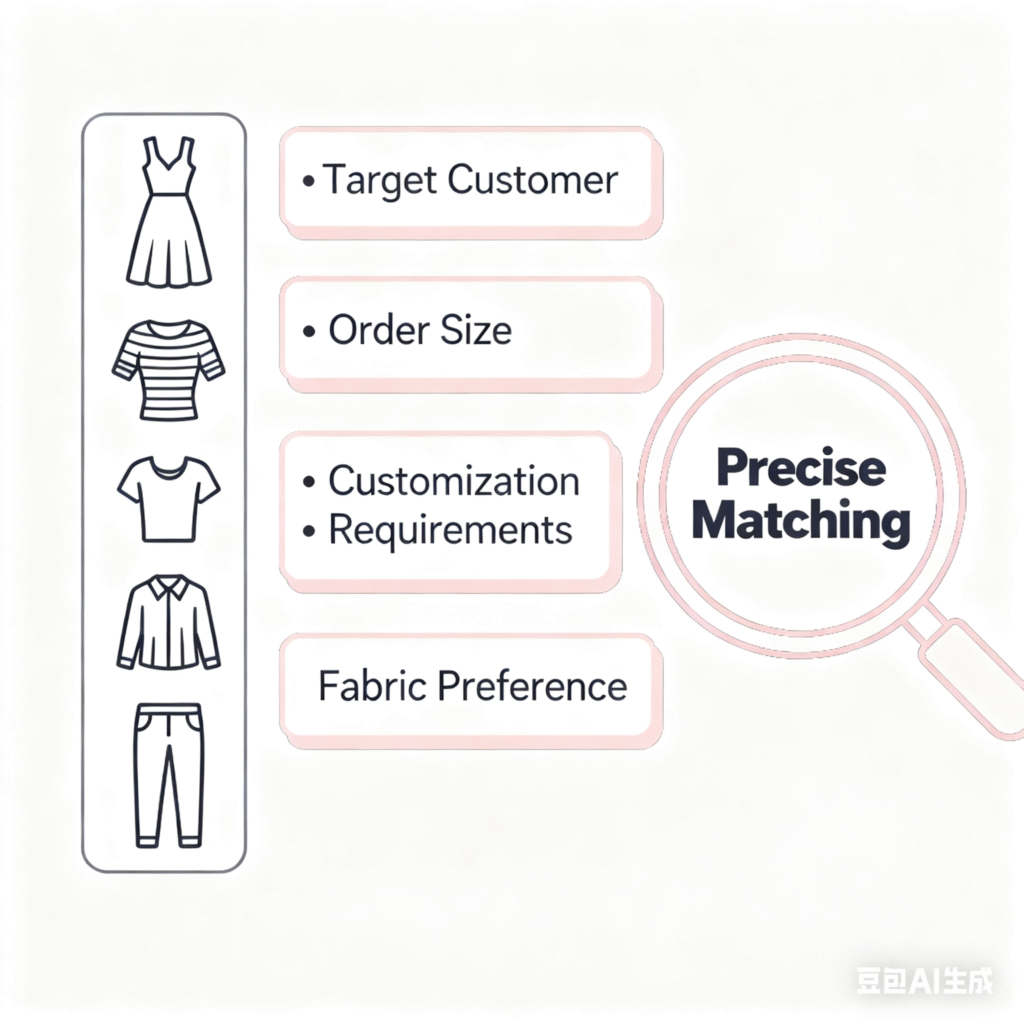
Before searching for a factory, you must first clearly define your own needs to avoid blindly searching. Key information needs to be clearly defined: Product category – is it focused on commuter dresses, sexy outfits, or a full range of products? Target customer positioning – this determines fabric quality and craftsmanship standards; for example, high-end customers require premium fabrics like silk and acetate, while mass-market customers can choose cost-effective cotton, linen, and polyester fibers. Order size – small-batch startups should prioritize factories that support small-order customization to avoid inventory pressure due to high minimum order quantities. Customization requirements – are logo printing, pattern modifications, or special processing needs required? Clarifying these requirements allows for targeted narrowing of the selection pool and improved efficiency.
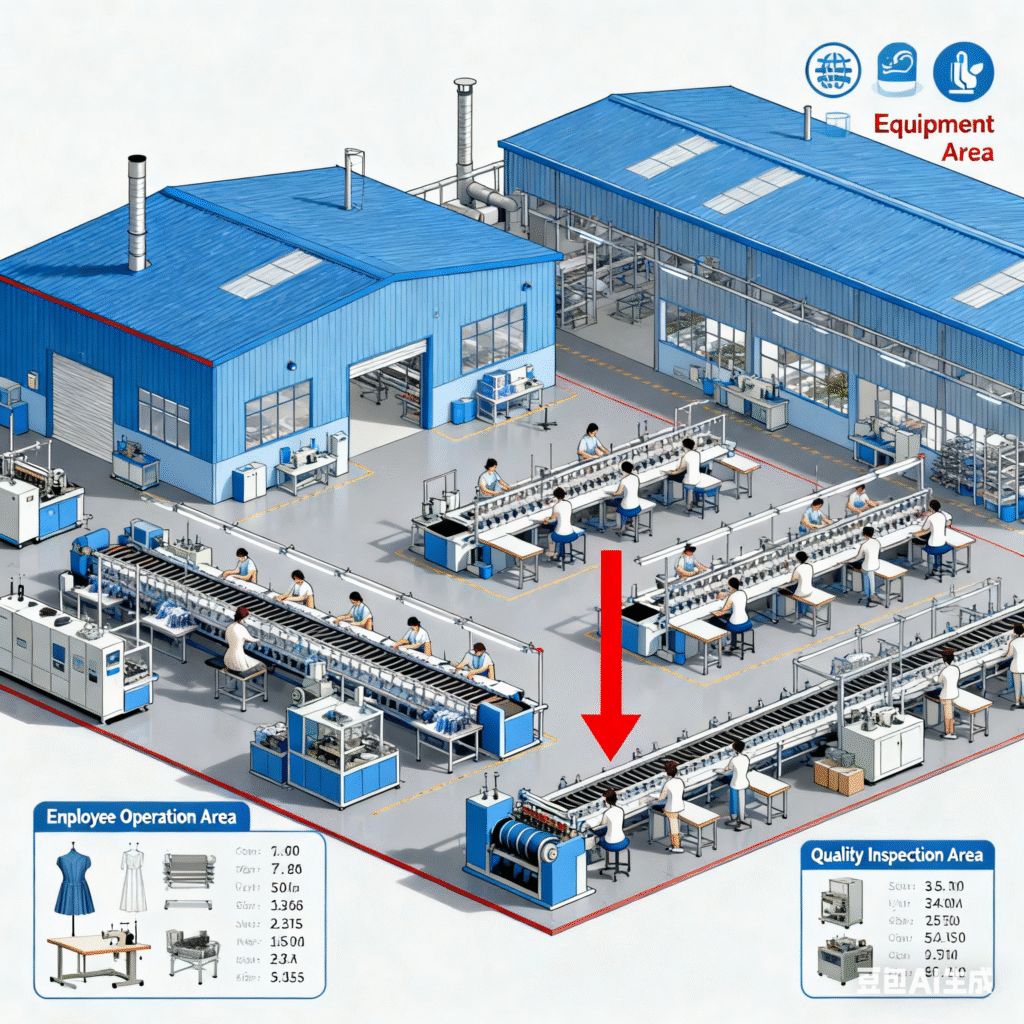
On-site inspection to verify factory capabilities No amount of online communication is as effective as an on-site visit. During the visit, focus on the factory’s scale and environment: does the factory area match its production capacity? Is the workshop layout standardized? Do hygiene conditions meet standards? Observe the sophistication and maintenance of production equipment; advanced cutting and sewing machines are fundamental to ensuring process precision and efficiency. Also, observe the employees’ work attitude and skill level; worker professionalism directly impacts product quality. In addition, it’s essential to examine the factory’s production capacity planning and scheduling system to understand its ability to handle order fluctuations and ensure stable delivery times.
Rigorous Verification, Quality Control and System Maintenance
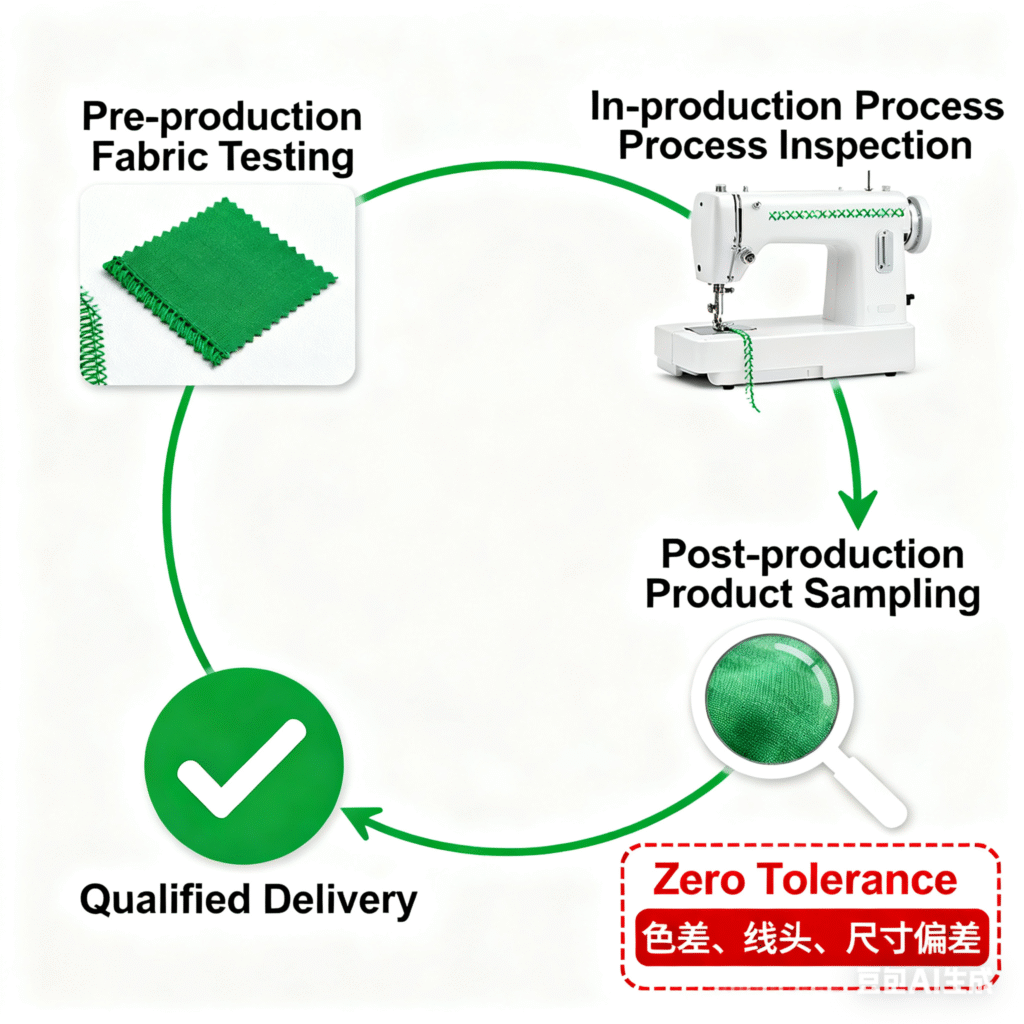
Product quality is the lifeline of a brand, making the factory’s quality control capabilities crucial. Request samples from the factory to carefully examine fabric texture, sewing techniques, pattern precision, and detail processing to determine if they meet your standards. Simultaneously, gain a thorough understanding of the factory’s quality control processes, including whether they have comprehensive pre-production, production, and post-production quality inspection mechanisms, and their tolerance for issues such as color differences, loose threads, and size deviations. High-quality factories establish strict quality inspection standards and may even have a zero-tolerance policy for defective products, controlling product quality from the source. Furthermore, inquire about past brand collaborations to gain insight into their quality reputation through customer testimonials.
Assessing Compatibility, Ensuring Long-Term Stable Cooperation
Besides hard power and quality, factory compatibility is also paramount. Communication efficiency is key; high-quality factories will have dedicated personnel to respond promptly to needs, clearly communicate order details, and avoid misunderstandings due to poor communication. Focus on delivery commitments and fulfillment capabilities, understanding their average delivery time and whether they have contingency plans for unforeseen circumstances to ensure on-time order delivery. Simultaneously, consider the factory’s service flexibility: can they accommodate small trial orders and rapid sampling? Do they support later order adjustments and after-sales guarantees? Furthermore, transparency in pricing is crucial; clearly define the costs of fabrics, processes, processing fees, etc., to avoid hidden charges later.
Small Trial Orders to Verify Feasibility Before establishing a long-term partnership, it’s recommended to conduct small trial orders to comprehensively verify the factory’s overall capabilities. Trial orders allow for a direct assessment of the factory’s sampling speed, production cycle, quality control, and packaging standards, determining whether they can meet your needs. During the trial order process, observe the factory’s communication and problem-solving abilities. If problems are responded to promptly and handled properly, it demonstrates their sincerity and professionalism, making them trustworthy. After a successful trial order, gradually expand the scale of cooperation to reduce risks.
Finding a suitable women’s clothing factory is not easy; entrepreneurs need to patiently screen and rigorously verify them. From defining needs to on-site inspections, from quality control to assessing compatibility, every step must be meticulous. Only by finding factories that highly match one’s brand positioning and needs can a win-win situation be achieved, safeguarding the long-term development of women’s clothing brands.




Comments