
How to Choose a Reliable Women’s Clothing Factory: Trends, Services & Expert Tips
In the fast-paced world of fashion, partnering with the right women’s clothing factory can make or break your brand’s success. Today’s women’s clothing factories are no longer just production hubs—they’re innovation partners, combining sustainability, technology, and flexibility to meet the demands of modern consumers and brands alike. Whether you’re a startup designer, a DTC brand, or an established retailer, understanding the latest industry trends and what to look for in a women’s clothing factory is crucial for staying competitive.
Key Trends Reshaping Modern Women’s Clothing Factories
The women’s clothing manufacturing landscape is evolving rapidly, driven by consumer expectations, technological advancements, and global sustainability goals. Here are the most impactful trends defining top women’s clothing factories in 2025and beyond:
1. Sustainability as a Core Standard
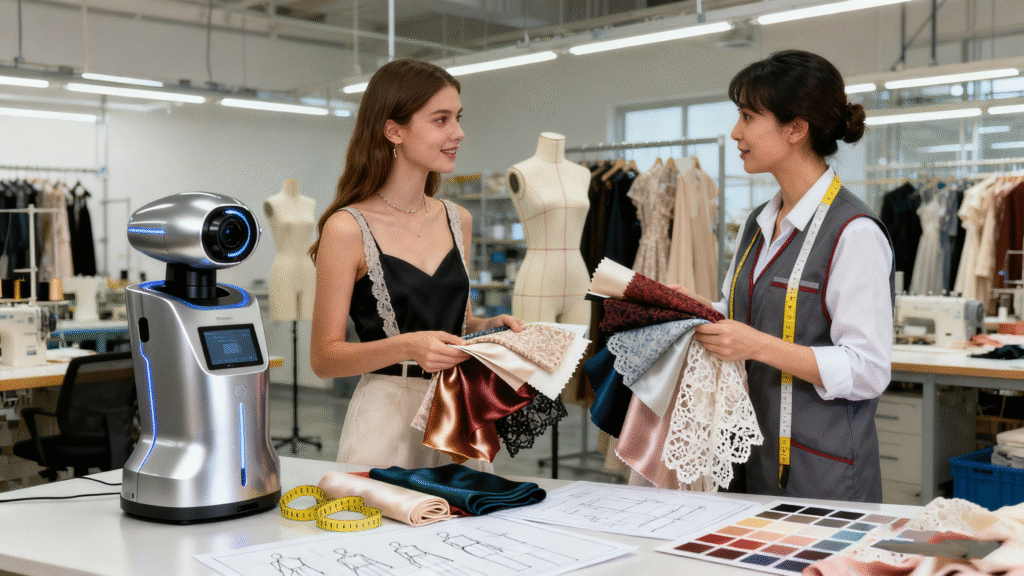
Modern women’s clothing factories are prioritizing eco-friendly practices to align with consumer demand for transparent and ethical fashion. Leading facilities source organic cotton, recycled polyester, and biodegradable fabrics, while implementing energy-efficient production lines to reduce carbon footprints . Many are also BSCI certified, publishing supply chain maps and third-party audit reports to prove compliance with international labor and environmental standards . This shift isn’t just ethical—it’s profitable: sustainable fashion brands report higher customer loyalty and reduced waste costs.
2. AI-Powered Production & Design
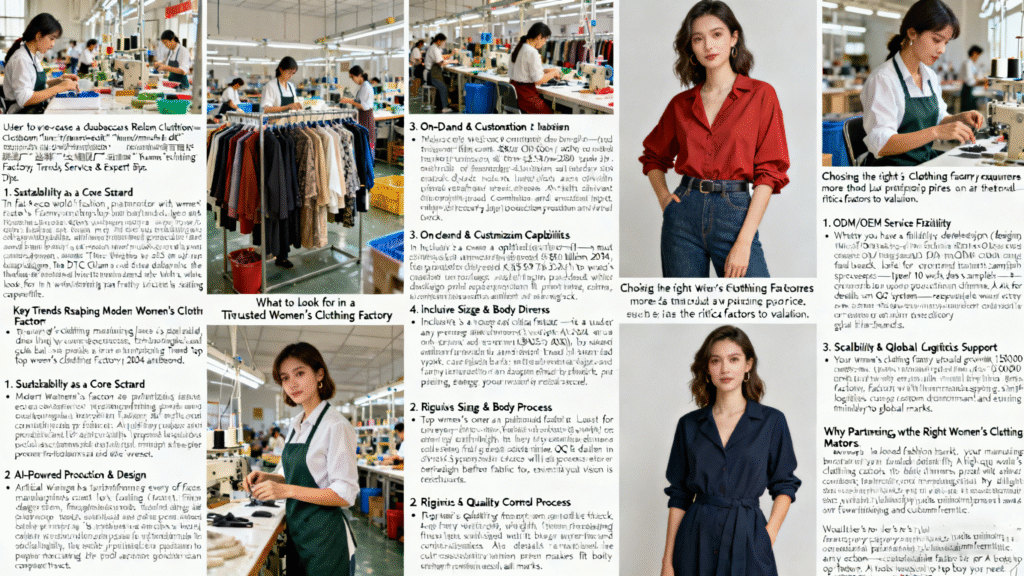
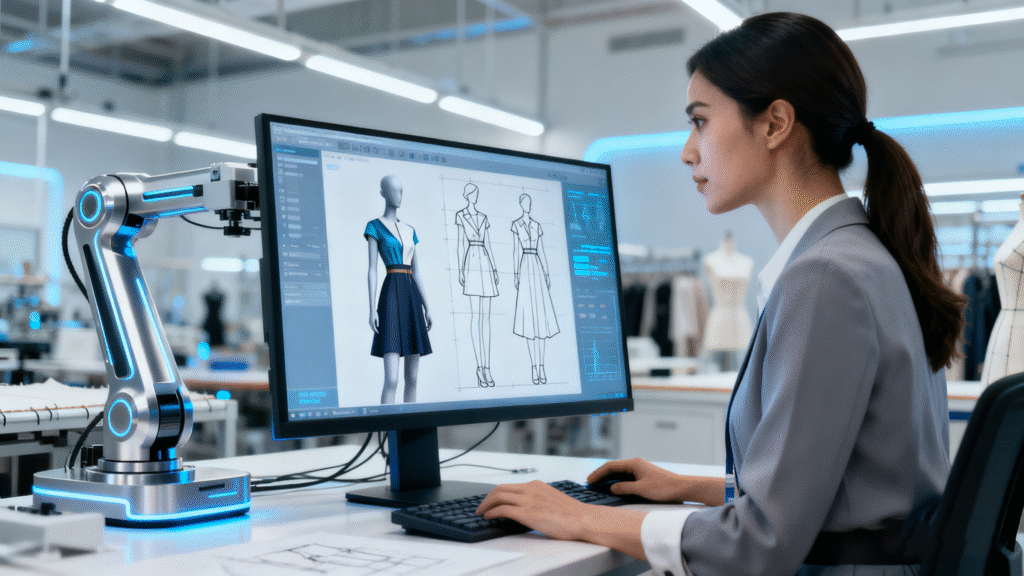
Artificial intelligence has transformed every stage of the manufacturing process in forward-thinking women’s clothing factories. From AI-generated design sketches (which cut development time from days to seconds) to 3D virtual prototyping that eliminates physical sample waste , technology is boosting efficiency and accuracy. AI also enhances quality control: real-time video analysis and motion recognition detect production errors, reducing 漏检 rates and ensuring consistent quality . Additionally, AI-driven demand forecasting uses social media and e-commerce data to predict trends, helping factories adjust production volumes and avoid overstock .
3. On-Demand & Customization Capabilities
The global custom women’s clothing market is booming—valued at \(58.3 billion in 2024 and projected to reach \)89.7 billion by 2030 . Top women’s clothing factories now offer flexible on-demand manufacturing, producing garments only when ordered to minimize waste and support small-batch runs . This model is ideal for niche brands and emerging designers, as it lowers inventory risks. Many factories also provide end-to-end customization, from fabric selection and fit adjustments to personalized prints, leveraging 3D body scanning for precise sizing .
4. Inclusive Sizing & Body Diversity
Inclusivity is no longer an optional feature—it’s a must for any reputable women’s clothing factory. Leading facilities now offer extended size ranges (from XS to 4X) and use advanced pattern grading to accommodate diverse body types . This shift not only expands market reach but also builds brand trust among underrepresented consumers. Factories that prioritize inclusive sizing often invest in specialized training for pattern makers and fit technicians to ensure consistency across all sizes.
What to Look for in a Trusted Women’s Clothing Factory
Choosing the right women’s clothing factory requires more than just comparing prices. Here are the critical factors to evaluate:
1. ODM/OEM Service Flexibility
Whether you have a fully developed design (needing OEM services) or a concept needing refinement (needing ODM support), the factory should adapt to your needs . Look for facilities that offer transparent sampling processes—typically 10 working days for samples—and clear bulk production timelines (35-40 days on average ). A reliable women’s clothing factory will also allow design adjustments before fabric cutting, ensuring your vision is realized accurately.
2. Rigorous Quality Control Processes
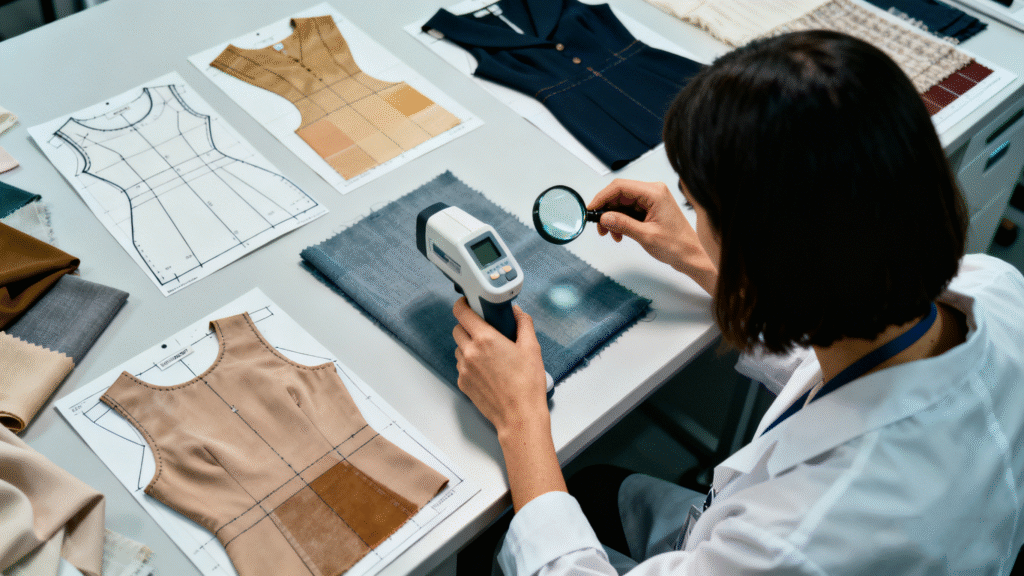
Top women’s clothing factories embed quality checks at every production stage: from fabric inspection (checking width, weight, and shrinkage resistance ) to sewing and final ironing. They use tools like light boxes and spectrometers to prevent color fading and ensure consistency . Ask for details on their QC system—reputable factories will share process documentation or allow virtual factory tours to showcase their standards.
3. Scalability & Global Logistics Support
Your women’s clothing factory should grow with your brand. Look for facilities with sufficient production capacity (e.g., 150,000 units per month ) to handle bulk orders, while still accommodating small initial runs for startups. Additionally, factories with experience in international shipping can simplify logistics, handling customs documentation and ensuring timely delivery to global markets.
Why Partnering with the Right Women’s Clothing Factory Matters
In a crowded fashion market, your manufacturing partner defines your brand’s credibility. A high-quality women’s clothing factory delivers consistent fit, durable products, and on-time shipments—all critical for customer retention. By aligning with a factory that embraces sustainability, technology, and inclusivity, you position your brand as forward-thinking and customer-centric.
Whether you’re launching a new collection or scaling your business, the right women’s clothing factory acts as an extension of your team—turning ideas into wearable reality while optimizing costs and minimizing environmental impact.


Comments