
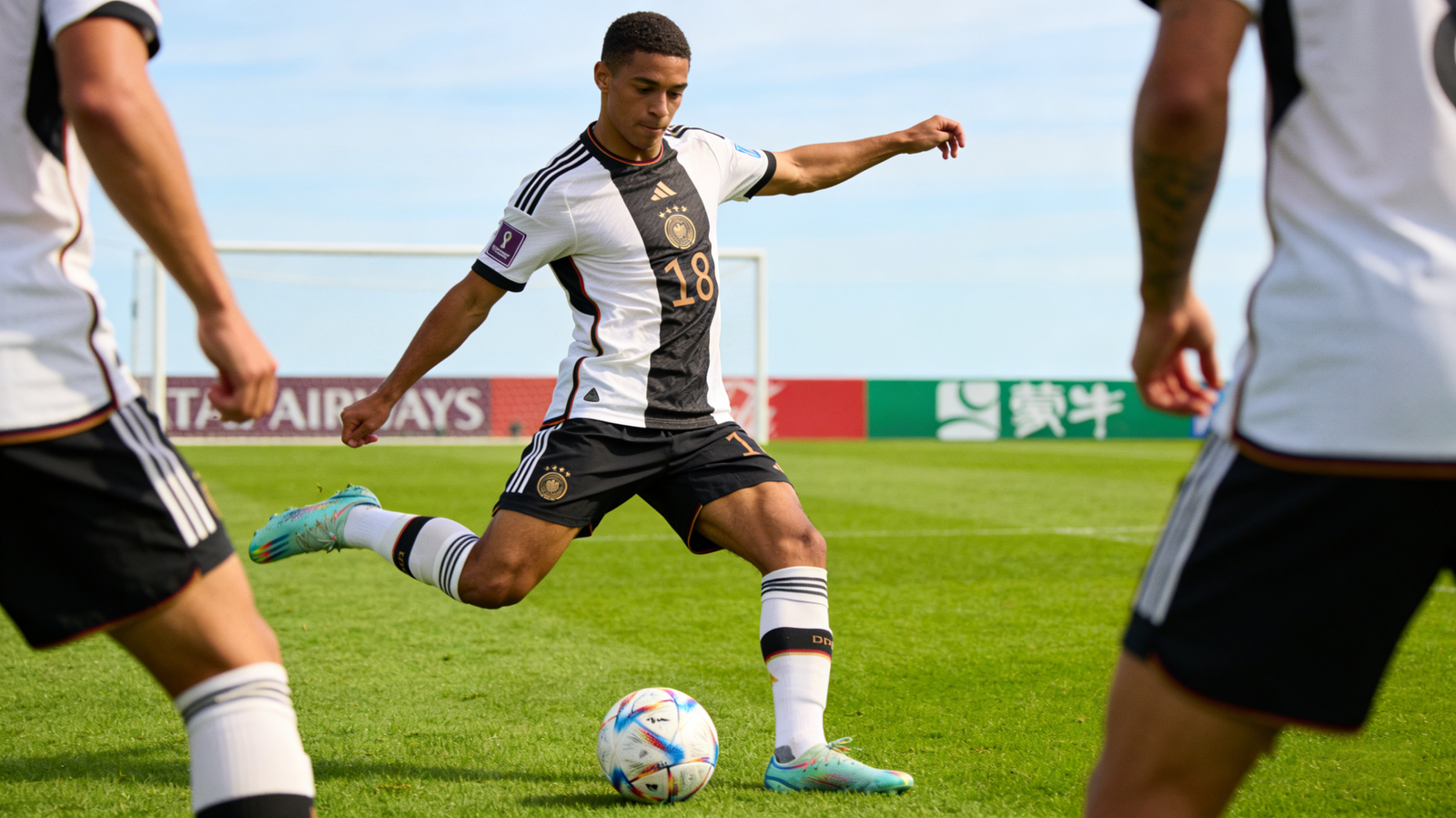
From Factory to Stadium: The Ultimate Guide to Becoming a World Cup Apparel Supplier
Every four years, the FIFA World Cup captivates billions of fans worldwide, and beyond the thrilling matches, the iconic jerseys, fan scarves, and team apparel become cultural symbols. For apparel businesses, being a World Cup apparel supplier is not just a mark of prestige—it’s a gateway to global brand exposure and massive market opportunities. But how does a company transform from a regular manufacturer to a trusted partner for one of the world’s biggest sports events? This guide breaks down the journey step by step, covering everything you need to know about becoming a certified World Cup apparel supplier .
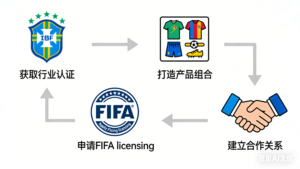
1. Understand the Core Requirements: What FIFA Expects from a World Cup Apparel Supplier
FIFA, the governing body of the World Cup, maintains strict standards for its suppliers to ensure quality, ethics, and brand integrity. Before even considering an application, your business must meet these non-negotiable criteria—they are the foundation of becoming a World Cup apparel supplier .
a. Industry Certifications and Compliance
FIFA prioritizes suppliers that adhere to global labor and environmental standards. Key certifications include: SA8000 (Social Accountability): Proves your factory provides fair wages, safe working conditions, and prohibits child labor—critical for a responsible World Cup apparel supplier .ISO 9001 (Quality Management): Ensures consistent product quality, a must for apparel that will be worn by athletes and fans worldwide.ISO 14001 (Environmental Management): Demonstrates your commitment to sustainable practices, such as reducing waste and using eco-friendly materials—an increasingly important factor for FIFA.
b. Production Capacity and Reliability
The World Cup demands massive volumes of apparel—from thousands of player jerseys to millions of fan products. As a potential World Cup apparel supplier , you need to prove: Adequate factory space and advanced machinery to handle large orders without compromising quality.A reliable supply chain for raw materials (eg, moisture-wicking fabrics for player kits) to avoid delays.A track record of meeting tight deadlines, preferably with experience supplying major sports leagues or events.
2. Build a World-Class Product Portfolio Tailored to World Cup Needs
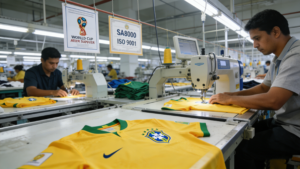
Being a World Cup apparel supplier isn’t just about making “clothes”—it’s about creating products that align with the event’s spirit and functional requirements. Your portfolio should cater to two key audiences: athletes and fans.
a. Athlete-Focused Apparel: Performance First
Player jerseys and training gear are the most high-profile products for a World Cup apparel supplier . FIFA and national teams require apparel that enhances performance, so focus on: Innovative fabrics: Use breathable, sweat-wicking materials (eg, polyester blends) that keep players cool during intense matches.Ergonomic design: Ensure a snug yet flexible fit that doesn’t restrict movement—test prototypes with athletes if possible.Durability: The apparel must withstand frequent washing and rough use, as players train and compete in it daily.
b. Fan Apparel: Style and Identity
Fan apparel is where a World Cup apparel supplier can tap into massive sales. These products should let fans show their support while being comfortable and stylish: Iconic designs: Incorporate team colors, crests, and World Cup logos (with proper licensing) to make products instantly recognizable.Versatility: Offer a range of items—jerseys, hoodies, scarves, caps, and even kids’ sizes—to appeal to all fan demographics.Affordability: Balance quality with price to make products accessible to fans worldwide, from casual supporters to die-hard enthusiasts.
Without official FIFA licensing, you can’t legally use World Cup trademarks or supply apparel for the event. This process is rigorous, but it’s the only way to become a certified World Cup apparel supplier .
a. Research FIFA’s Licensing Programs
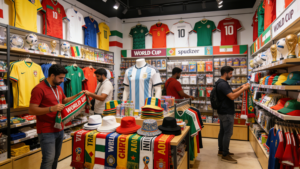
FIFA offers different types of licenses for apparel suppliers, including: National Team License: Allows you to supply apparel for a specific country’s national team (eg, Brazil, Germany).FIFA World Cup Event License: Permits you to create apparel featuring the World Cup logo, trophy, or event branding (for fan products).Each license has its own requirements and fees, so research which one aligns with your business goals as a World Cup apparel supplier .
b. Prepare a Strong Application
FIFA’s application process for World Cup apparel supplier status requires detailed documentation, including: Company financial statements (to prove stability).Certifications (SA8000, ISO, etc.).Product samples and a portfolio of past work (especially sports-related projects).A business plan outlining how you’ll meet World Cup demand, including production timelines and quality control measures.
c. Build Relationships with FIFA Partners
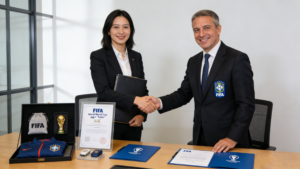
FIFA often works with trusted intermediaries (eg, sports marketing agencies) to select suppliers. Networking with these partners can increase your chances of being noticed. Attend sports industry events, join organizations like the International Sports Clothing Association, and reach out to agencies that have worked on previous World Cups—they can provide insights into what FIFA looks for in a World Cup apparel supplier .
【How to become a World Cup apparel supplier? 】Q&A: Addressing Common Questions
Q1: Do I need to have experience supplying sports apparel to apply?
While it’s not mandatory, experience is a huge advantage. FIFA prefers World Cup apparel supplier candidates who understand the unique needs of sports products (eg, performance fabrics, team branding). If you’re new to sports apparel, consider partnering with a consultant or taking on smaller sports clients first to build a portfolio.
Q2: How much does FIFA licensing cost for a World Cup apparel supplier?
Costs vary widely based on the license type, your business size, and the World Cup’s host country. Smaller fan apparel licenses may start at $10,000, while national team licenses can cost hundreds of thousands of dollars. Additionally, you’ll need to budget for product development, production, and marketing.
Q3: Can small or medium-sized businesses become a World Cup apparel supplier?
Yes! FIFA doesn’t only work with large corporations. Many small to medium-sized businesses (SMBs) become World Cup apparel supplier s by specializing in niche products (eg, custom fan scarves, kids’ jerseys) or partnering with larger suppliers as sub-contractors. Focus on your unique strength—whether it’s sustainable materials or fast production—to stand out.

4. Optimize Your Brand for Global Visibility: Beyond Being a World Cup Apparel Supplier
Once you become a World Cup apparel supplier , maximizing the opportunity requires global branding. Leverage the World Cup’s exposure to grow your business long-term:
-
Highlight your status: Promote your “Official World Cup Apparel Supplier” title on your website, social media, and product packaging—this builds trust with customers worldwide.
-
Target international markets: Use the World Cup’s global audience to expand into new regions. For example, if you’re supplying a European team, market your products to fans in Asia and the Americas.
-
Sustain the momentum: After the World Cup, use your experience to pitch to other major sports events (eg, the Olympics, Champions League) or national leagues.
Ready to Take the First Step Toward Becoming a World Cup Apparel Supplier?
Becoming a World Cup apparel supplier is a challenging but rewarding journey that requires a mix of quality, compliance, and strategic planning. Whether you’re a seasoned sports apparel manufacturer or an SMB looking to break into the global market, the key is to start early—FIFA’s supplier selection process begins years before the event.
We want to hear from you! Do you have questions about the licensing process? Have you ever worked on sports apparel projects that could help you become a World Cup apparel supplier ? Share your thoughts or questions in the comments below, and our team of sports industry experts will get back to you.
Content
hide
1
From Factory to Stadium: The Ultimate Guide to Becoming a World Cup Apparel Supplier

Comments