
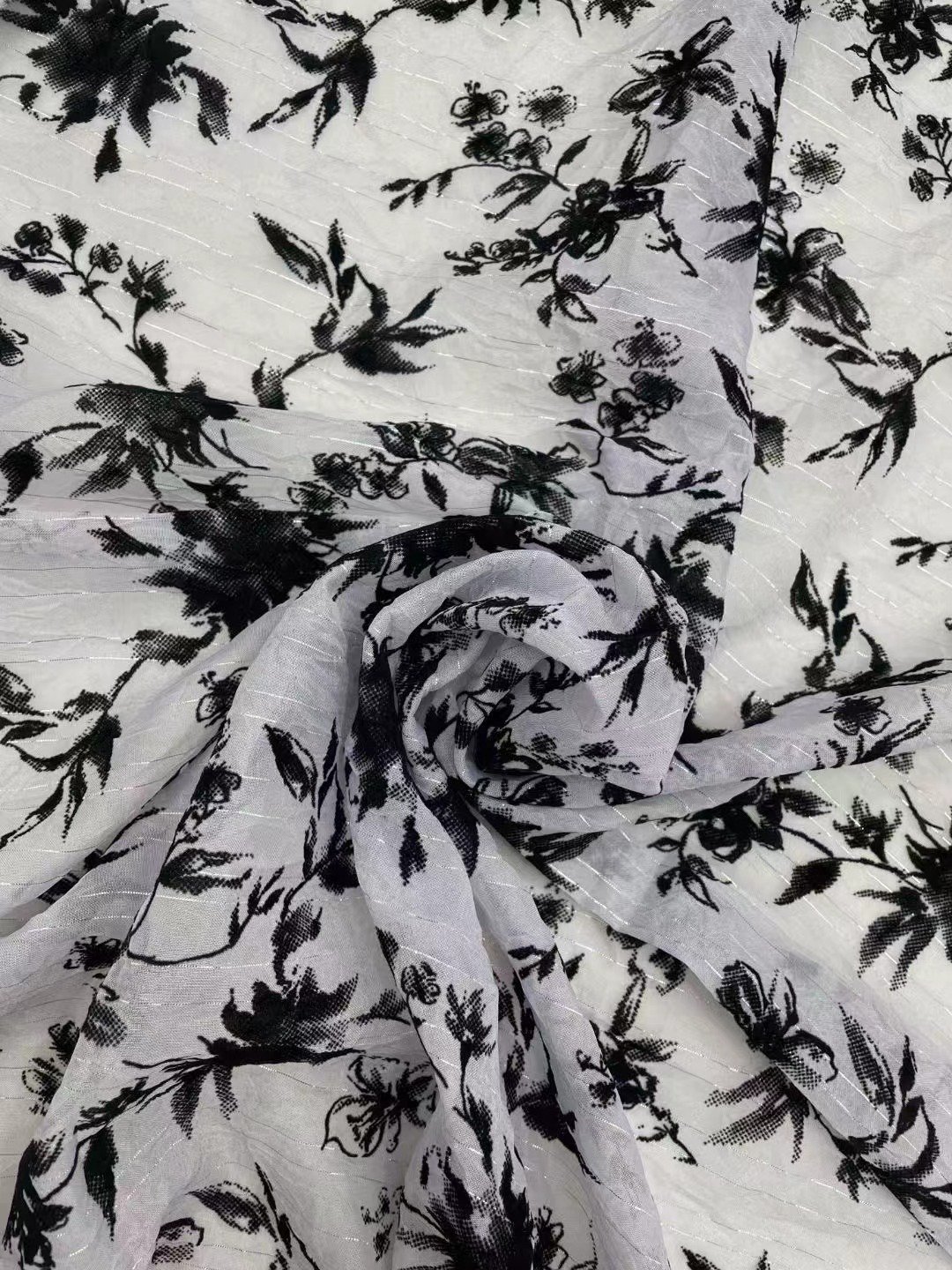
From Yarn to Garment: The Hidden Excellence of Uniqlo OEM in “Made in China”
When you pick up a soft Uniqlo Heattech top or a durable UT shirt, you’re holding more than just a piece of clothing—you’re holding the result of a rigorous, end-to-end manufacturing process. Behind Uniqlo’s global reputation for affordable quality lies a network of Uniqlo OEM partners in China, where “Made in China” isn’t just a label, but a promise of precision. These manufacturers don’t just assemble clothes; they master every link from yarn selection to final inspection, making Uniqlo OEM in China a benchmark for the global apparel industry.

The First Link: Yarn—Where Uniqlo OEM’s Quality Starts
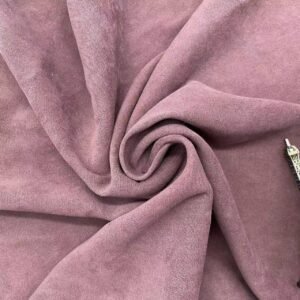
For Uniqlo, quality begins long before fabric hits the sewing machine. Its Chinese OEM partners adhere to strict standards when sourcing yarn, the building block of all apparel. Take Uniqlo’s iconic Airism line, for example: the Uniqlo OEM factories work closely with local yarn suppliers to develop a blend of polyester and spandex that’s lightweight, breathable, and resistant to pilling. This isn’t a passive process—manufacturers conduct multiple tests on yarn strength, elasticity, and color fastness before approving it for production. “We reject up to 15% of yarn batches because they don’t meet Uniqlo’s requirements,” says a production manager at a leading Uniqlo OEM manufacturer in Guangdong. This attention to the smallest detail ensures that every Uniqlo garment starts with a foundation of excellence.
Technology-Driven Production: How Uniqlo OEM Raises “Made in China” Standards
Gone are the days when “Made in China” was associated with low-tech labor. Today’s Uniqlo OEM facilities in China are hubs of advanced manufacturing. Automated cutting machines use computer-aided design (CAD) to ensure every piece of fabric is cut with 0.1mm precision, reducing waste by 20% compared to traditional methods. For seamless garments like Uniqlo’s Ines de la Fressange collection, OEM partners use 3D knitting technology that eliminates seams entirely, improving comfort while boosting production efficiency. “Uniqlo pushes us to innovate,” explains an engineer at a sustainable Uniqlo OEM factory in Jiangsu. “They don’t just ask for clothes—they ask for better ways to make them.” This tech integration isn’t just about speed; it’s about consistency, a key factor in why Uniqlo trusts its Chinese OEM partners with its most popular lines.
End-to-End Quality Control: The Uniqlo OEM “Zero Defect” Commitment
What truly sets Uniqlo OEM in China apart is its uncompromising quality control (QC) process. Unlike many manufacturers that only inspect finished products, Uniqlo’s Chinese partners implement QC at every stage: checking fabric for flaws after dyeing, verifying stitch density during sewing, and testing wash durability before packaging. For heat-retaining products like Heattech, OEM factories use specialized equipment to measure thermal performance, ensuring each garment meets Uniqlo’s exact warmth standards. Even small details—like the alignment of buttons or the smoothness of zippers—are scrutinized by trained QC teams. “We have a ‘zero defect’ policy for Uniqlo orders,” notes a QC supervisor at a large-scale Uniqlo OEM facility in Zhejiang. “If one garment fails, we check the entire batch to find the root cause. That’s the level of accountability Uniqlo expects.”
Sustainability: The New Frontier for Uniqlo OEM in China
As global consumers demand greener fashion, Uniqlo OEM partners in China are leading the charge. Many factories have switched to renewable energy sources, with some running entirely on solar power for daytime production. They’re also adopting circular practices, such as recycling fabric scraps into yarn for new garments and using water-saving dyeing techniques that reduce water usage by 50%. Uniqlo’s “Join Life” sustainability line relies heavily on these eco-friendly Uniqlo OEM processes in China, making affordable sustainable fashion accessible worldwide. “Sustainability isn’t an add-on for Uniqlo—it’s part of the OEM contract,” says a sustainability director at a Chinese Uniqlo partner. “We’re not just making clothes; we’re making them in a way that’s good for the planet.”
Why Uniqlo OEM in China Is Irreplaceable
The success of Uniqlo OEM in China boils down to three key factors: expertise, flexibility, and collaboration. Chinese manufacturers have decades of experience in apparel production, giving them the knowledge to adapt to Uniqlo’s changing needs—whether it’s ramping up production for a viral UT design or developing a new fabric for winter wear. They’re also quick to respond to market demands, with lead times that are 30% shorter than OEM partners in many other countries. Most importantly, there’s a true partnership between Uniqlo and its Chinese OEMs: Uniqlo provides training and technology support, while manufacturers contribute their on-the-ground expertise to improve processes. This synergy has made Uniqlo OEM in China the backbone of the brand’s global supply chain.
Next time you wear a Uniqlo garment, remember the journey it took: from carefully selected yarn to a tech-driven production line, to a rigorously inspected finished product. Every stitch tells a story of Uniqlo OEM excellence—a story where “Made in China” stands for quality, innovation, and trust. For Uniqlo, and for consumers worldwide, that’s the real value of its Chinese OEM partners.


Comments