
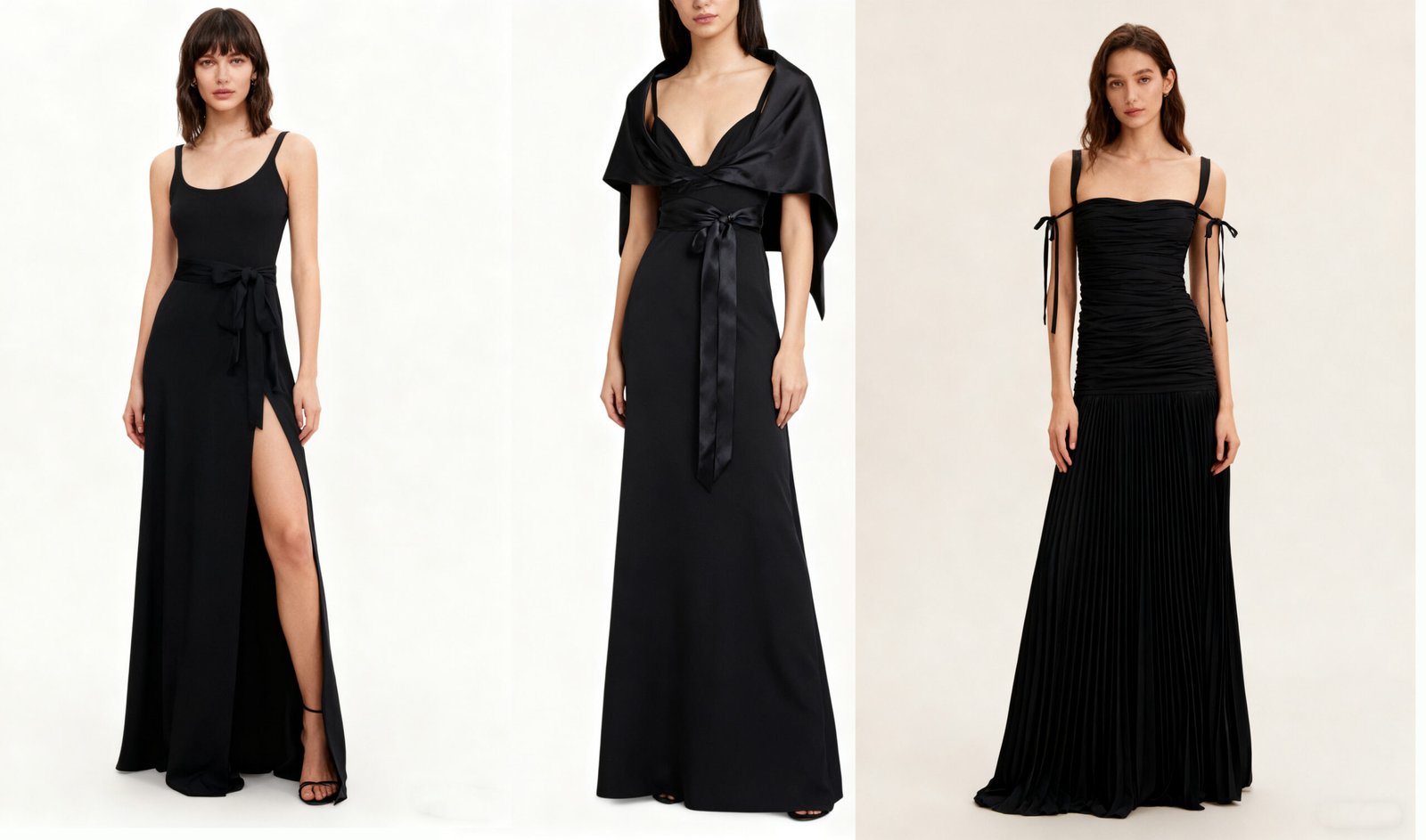
Long Skirt vs Dress: Key Differences, Styling Tips & Occasion Guides
When building a versatile wardrobe, understanding the distinction between a long skirt and a dress is essential for making the right fashion choices. While both are popular for their elegance and comfort, they differ in structure, styling flexibility, and occasion suitability. This guide breaks down their core differences, plus long-tail insights to help you choose the perfect piece for any look.
1. Core Structural Difference: Separates vs. One-Piece
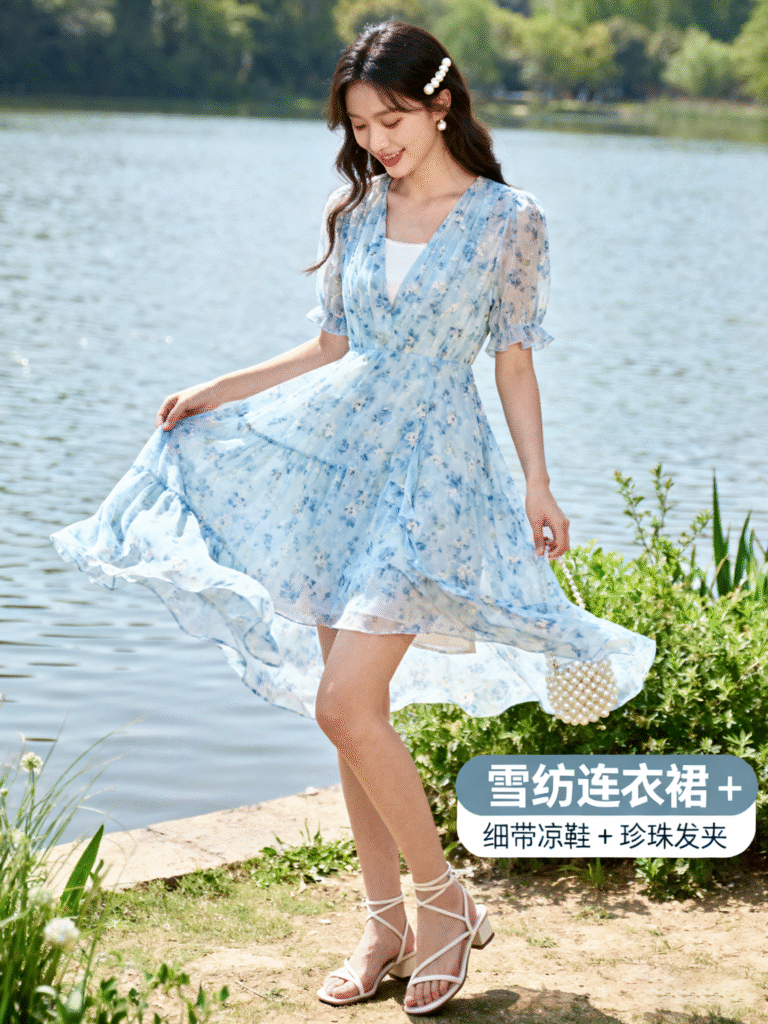
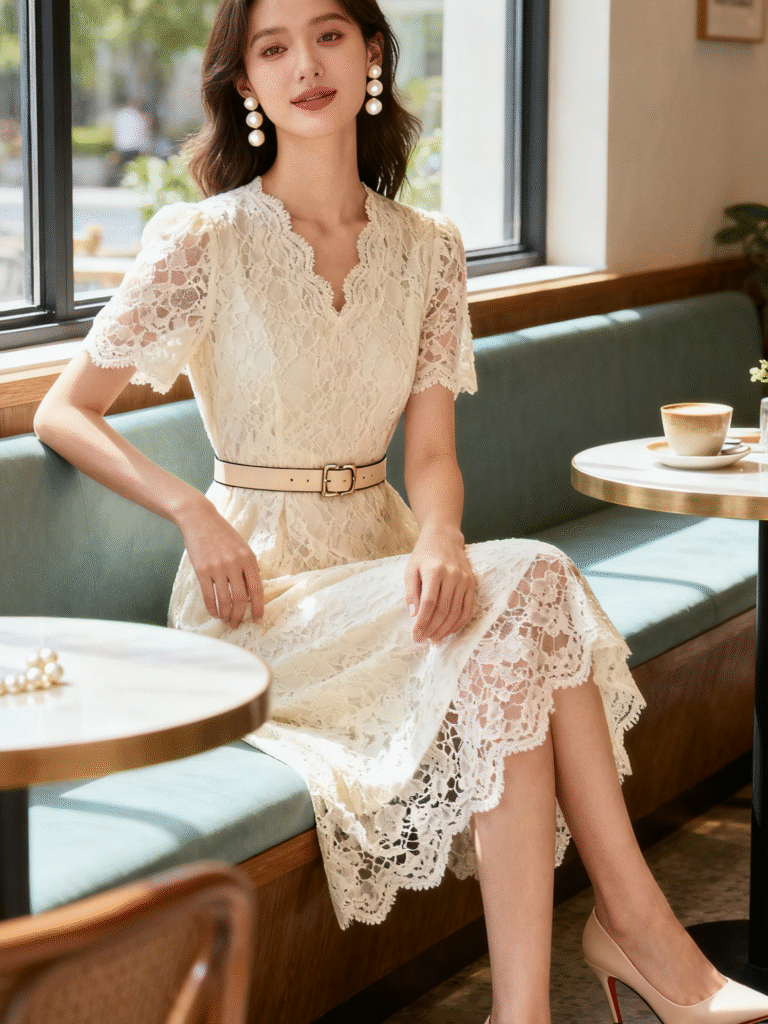
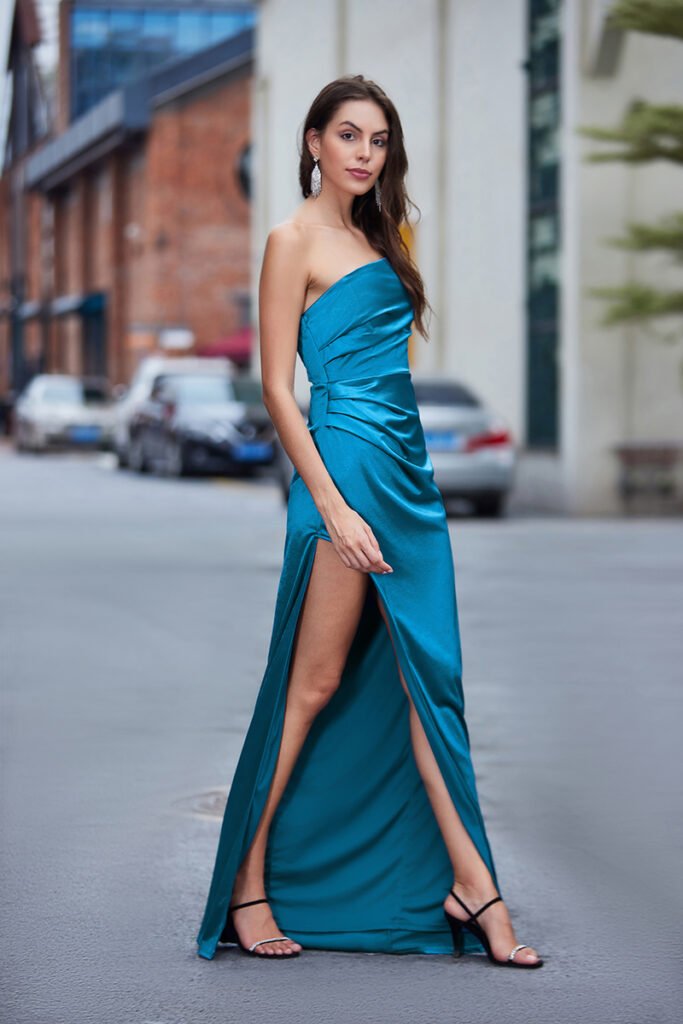
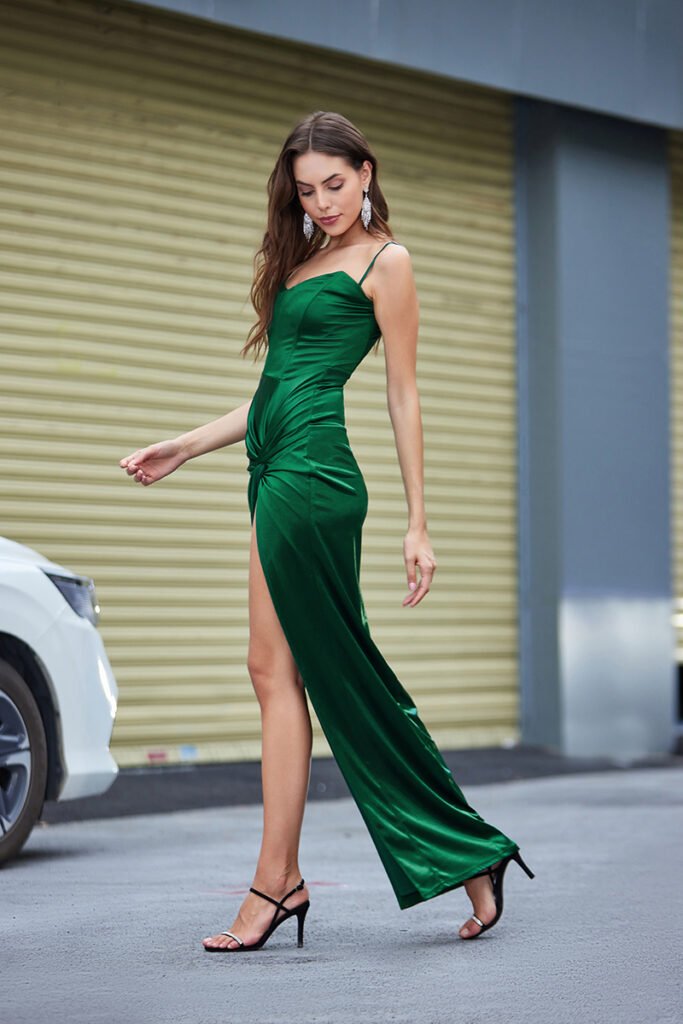
The most fundamental difference between a long skirt and a dress lies in their design:
- A long skirt is a standalone lower garment (typically falling below the knees or ankles) that requires pairing with a separate top (blouse, sweater, tank top, etc.). It focuses on covering the lower body while leaving the upper body to be styled independently.
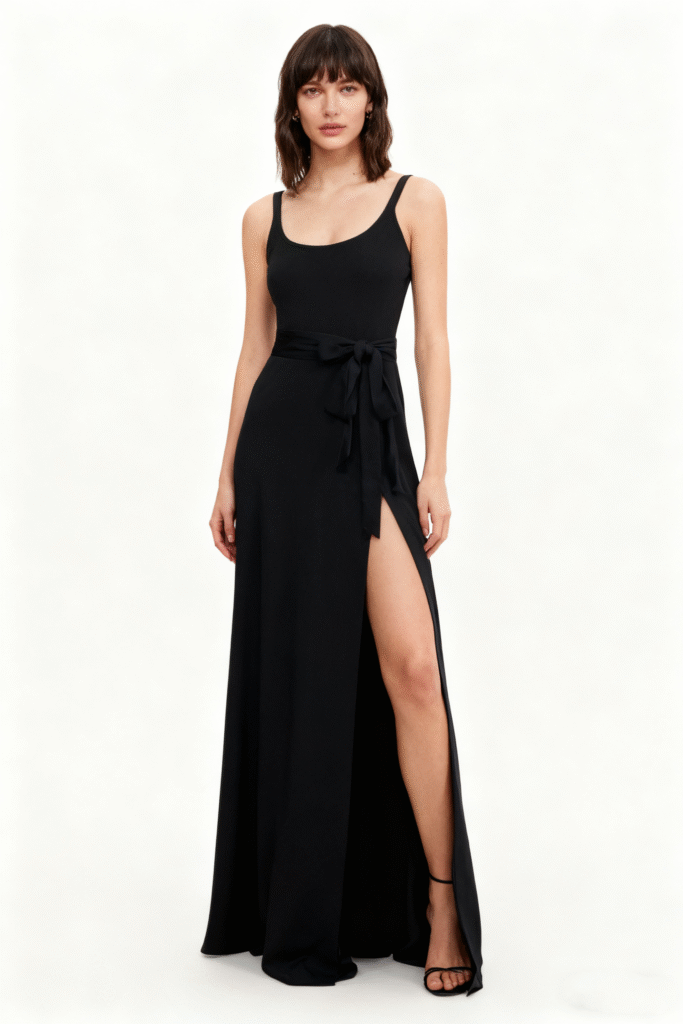
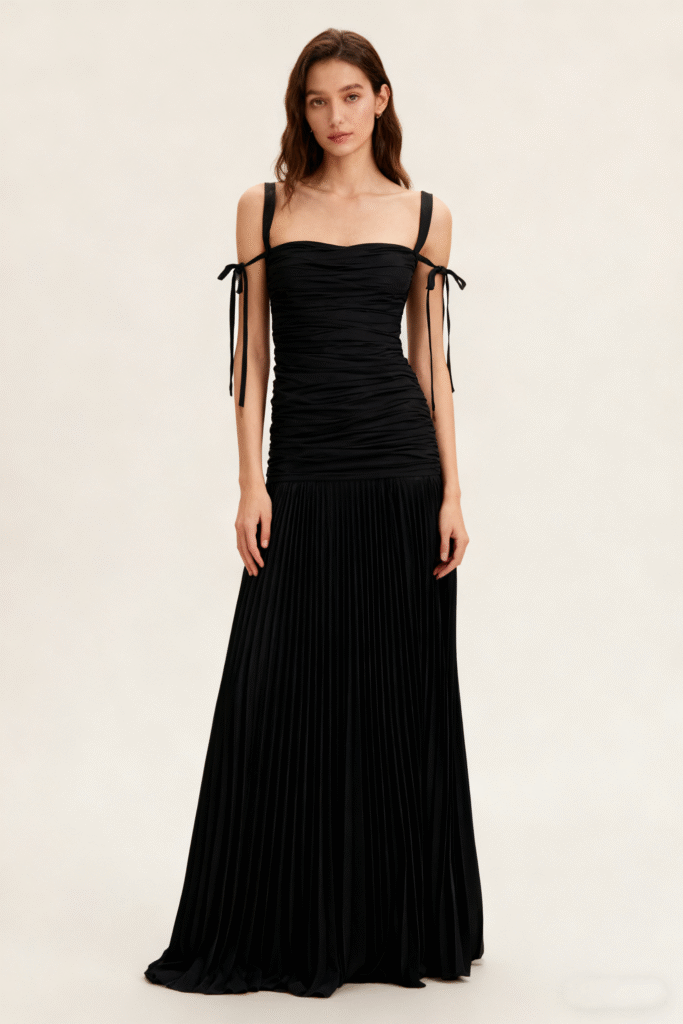
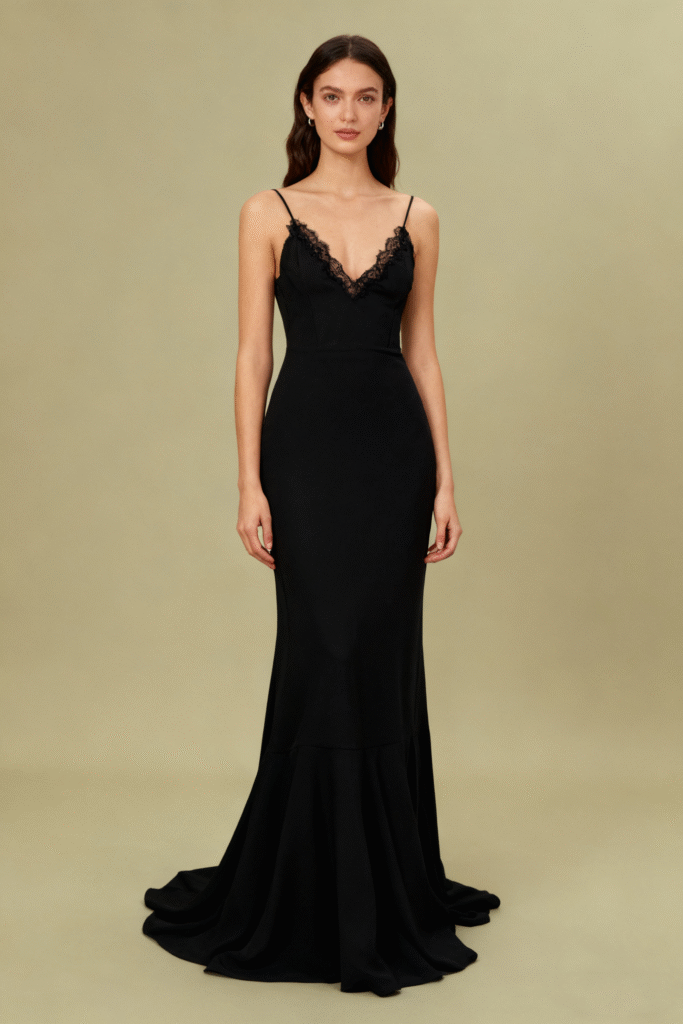
- A dress is an all-in-one garment that combines a top and skirt in a single piece. It covers both the upper and lower body, eliminating the need for separate coordinating pieces.
Long-tail keyword insight: “how to pair a long skirt with tops for a dress-like look” – Many fashion lovers opt for a long skirt + tailored top combo to mimic the polished vibe of a dress while enjoying more mix-and-match freedom.
2. Styling Flexibility: Customization vs. Convenience
Long Skirt: Endless Mix-and-Match Potential
A long skirt is a wardrobe workhorse thanks to its versatility. Key styling perks include:
- Pair with casual tops (t-shirts, crop tops) for a laid-back weekend look, or dress it up with a silk blouse or blazer for formal events.
- Adapt to seasons: Layer with sweaters in winter or linen tops in summer.
- Long-tail trend: “bohemian long skirt outfits with crop tops” and “formal long skirt for weddings with lace blouses” are top search queries for those seeking personalized styles.
Dress: Effortless One-and-Done Style
A dress shines when convenience is a priority:
- No need to coordinate tops and bottoms – slip it on and go, making it ideal for busy mornings or last-minute events.
- Consistent silhouette: The pre-designed top-skirt combo ensures a cohesive look without extra effort.
- Long-tail favorite: “easy summer dress for beach days” and “slim-fit dress for office meetings” cater to users seeking hassle-free fashion.
3. Occasion Suitability: Versatility vs. Specificity
When to Choose a Long Skirt
Long skirt excels in scenarios where you want to balance formality and individuality:
- Casual outings: “flowy long skirt for brunch with friends” (paired with a graphic tee).
- Semi-formal events: “midi long skirt for cocktail parties” (matched with a sequined top).
- Professional settings: “high-waisted long skirt for work” (combined with a button-down shirt).
When to Choose a Dress
Dress is the go-to for occasions requiring polished, cohesive attire:
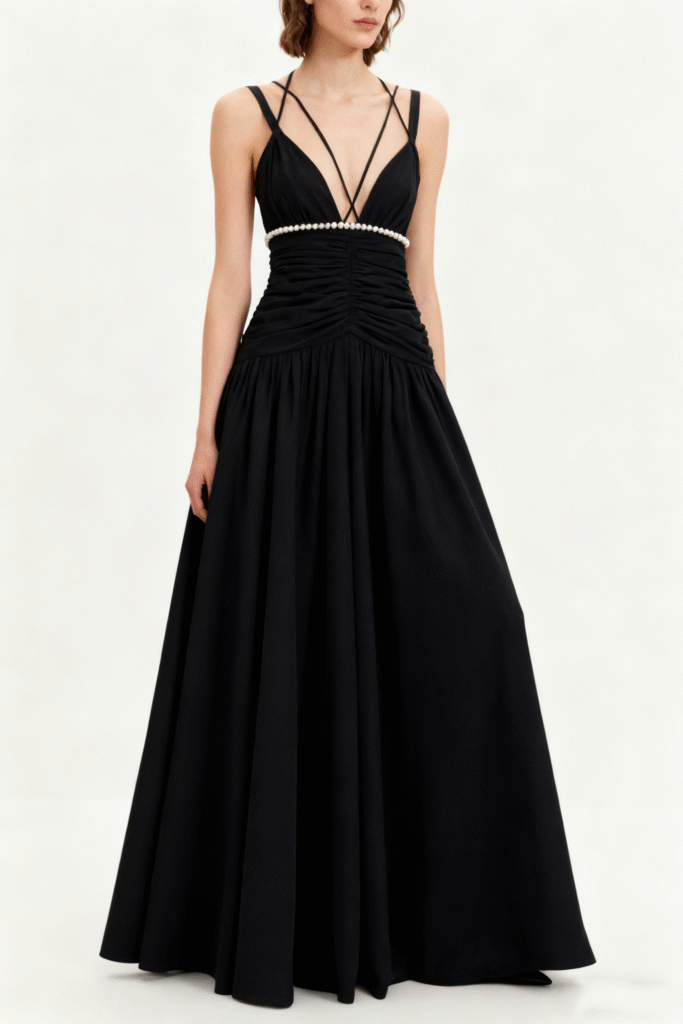
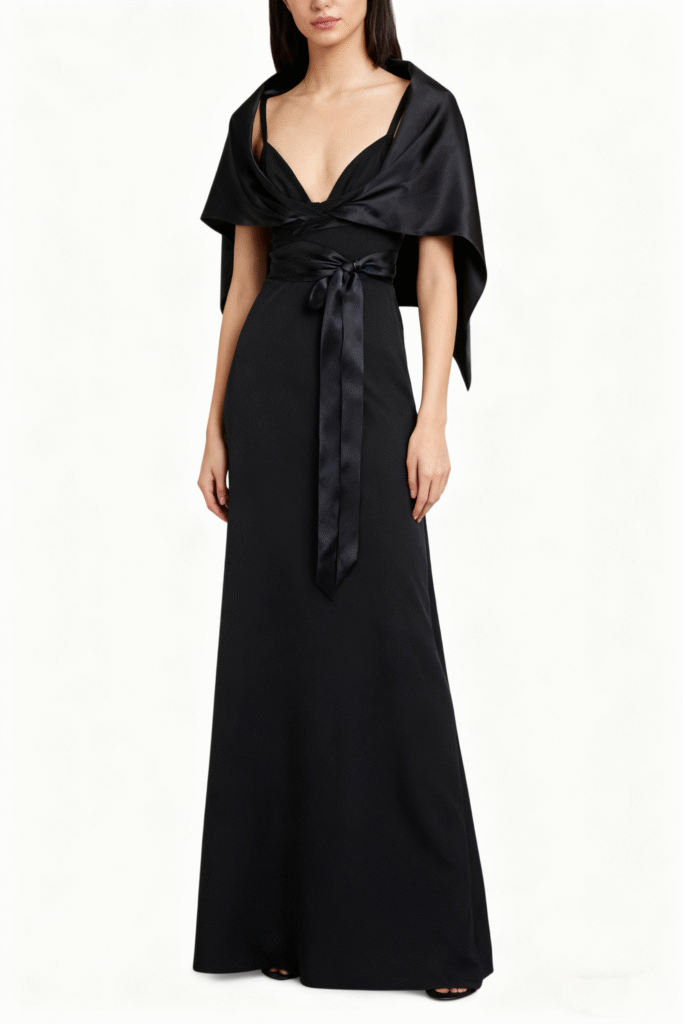
- Formal events: Weddings, galas, or proms (think “floor-length evening dress” or “cocktail dress with lace details”).
- Casual yet put-together looks: “summer sundress for picnics” or “shirt dress for grocery runs”.
- Travel: Lightweight dresses save luggage space and reduce styling time.
4. Fit and Body Flattery: Tailoring to Your Shape
Both long skirt and dress can be flattering – the key is choosing the right style for your body type:
- For pear-shaped bodies: A long skirt with an A-line silhouette balances hips, while an empire-waist dress draws attention to the upper body.
- For apple-shaped bodies: A wrap-style dress cinches the waist, while a high-waisted long skirt paired with a fitted top creates definition.
- Long-tail tip: “plus-size long skirt vs dress for curvy bodies” is a high-intent query – emphasize stretchy fabrics and adjustable waistbands for inclusive styling.
5. Wardrobe Value: Investment vs. Instant Gratification
- A long skirt offers better long-term value due to its mix-and-match potential – it can be styled with existing tops to create new outfits.
- A dress provides instant outfit solutions but may have limited versatility compared to a long skirt (unless it’s a neutral, classic style like a little black dress).
Long-tail takeaway: “affordable long skirt vs dress for budget wardrobes” – Opt for a neutral long skirt (black, beige, denim) if you want maximum wear, or a versatile dress (like a shirt dress) if you prioritize convenience.
Final Verdict: Long Skirt or Dress?
Choose a long skirt if you love styling creativity, want to reuse existing tops, or need a piece that transitions across casual-to-formal settings. Opt for a dress if you prefer effortless, cohesive looks for busy days or formal events. For the ultimate wardrobe, include both: a classic long skirt for customization and a few staple dresses for quick, polished outfits.
Whether you’re searching for “long skirt styling ideas for date nights” or “best dress for a garden wedding”, understanding their differences helps you make intentional fashion choices that align with your lifestyle.
SEO Optimization Notes:
- Keyword Placement: Core keywords (long skirt, dress) are in headers, first paragraph, and key sections (Google prioritizes prominent keywords).
- Long-Tail Keywords: Integrated high-intent phrases (e.g., “how to pair a long skirt with tops”, “plus-size long skirt vs dress”) to capture niche search traffic.
- Layout: Uses H1/H2/H3 headers, short paragraphs (3 lines max), and bullet points – aligns with Google’s “easy-to-read” ranking factor.
- Value-Driven Content: Answers user questions (differences, styling, occasions) and includes actionable tips to boost dwell time (a key SEO metric).
If you want to refine specific sections (e.g., add more occasion-specific examples, expand on plus-size styling, or target regional trends), feel free to let me know! I can also optimize for additional long-tail keywords or adjust the tone (casual, luxury, budget-focused) to match your audience.


Comments