
Custom Women Clothing Production: Quality Control & Manufacturing Workflow
Custom women clothing production requires a structured manufacturing process and strict quality control to ensure consistency, fit accuracy, and professional finishing.
For fashion brands and private labels, understanding how production lines and inspection workshops operate is essential when selecting an OEM apparel partner.
In this guide, we break down the full production workflow, from garment manufacturing lines to final quality control and finishing inspection.
Table of Contents
- Women Clothing Manufacturing Overview
- Manufacturing Production Line Process
- Garment Finishing & Quality Control
- 7 Key Quality Control Steps
- Helpful Resources
- FAQ
Women Clothing Manufacturing Overview
In a professional OEM factory, custom women clothing production follows a standardized workflow that includes fabric cutting, sewing, assembly, finishing, inspection, and packaging.
Each stage is designed to minimize defects and ensure garments meet approved specifications.
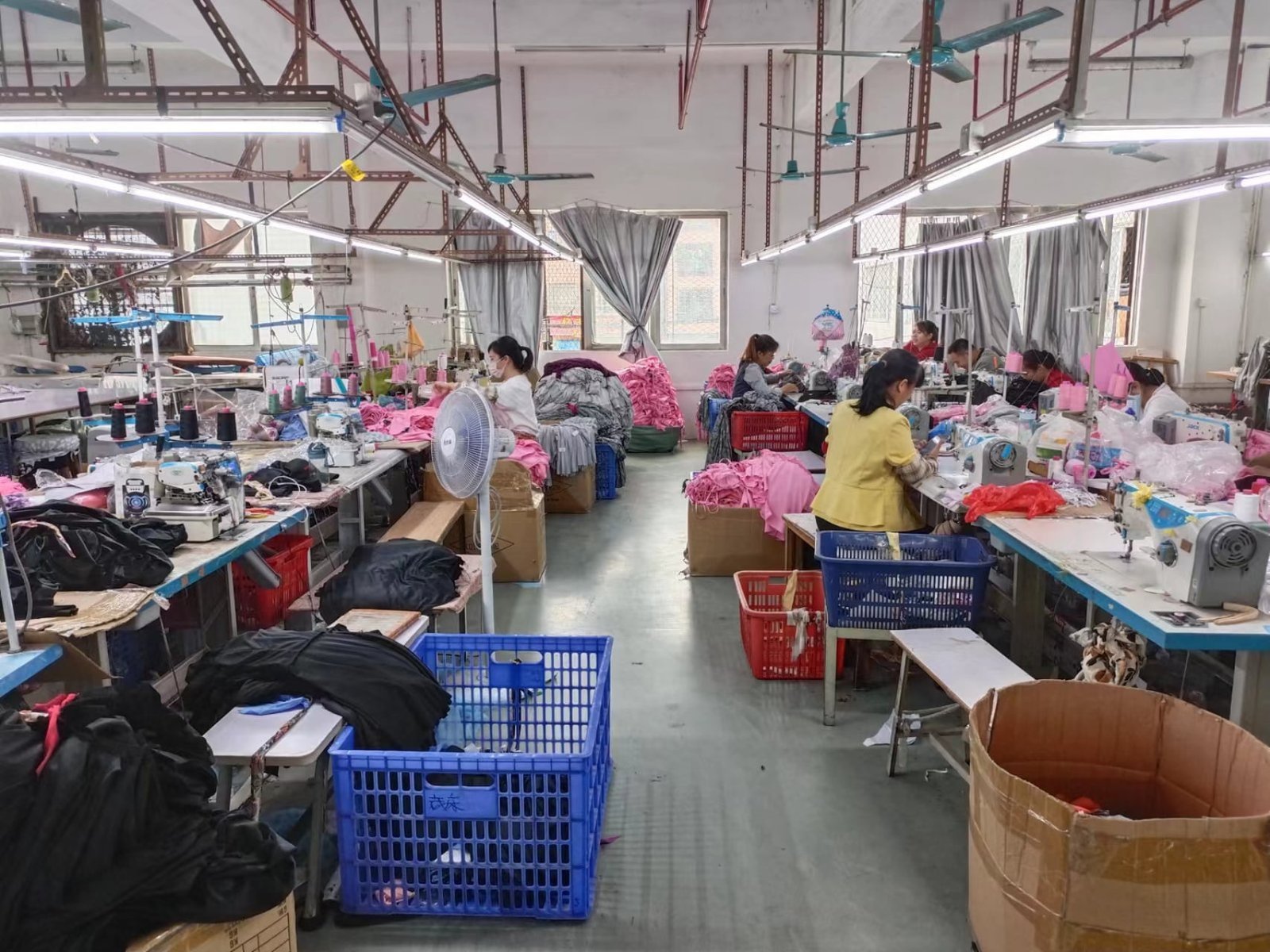
A well-organized production line improves efficiency, reduces lead time, and maintains consistent quality across bulk orders.
Manufacturing Production Line Process
Fabric Cutting & Preparation
Fabric rolls are inspected, spread, and cut according to approved patterns to ensure accuracy and reduce material waste.
Sewing & Assembly
Garment panels are assembled by experienced operators, with supervisors performing in-line checks during production.
Mid-Production Inspection
Measurements, stitching quality, and construction details are checked before garments move to the finishing stage.
Garment Finishing & Quality Control
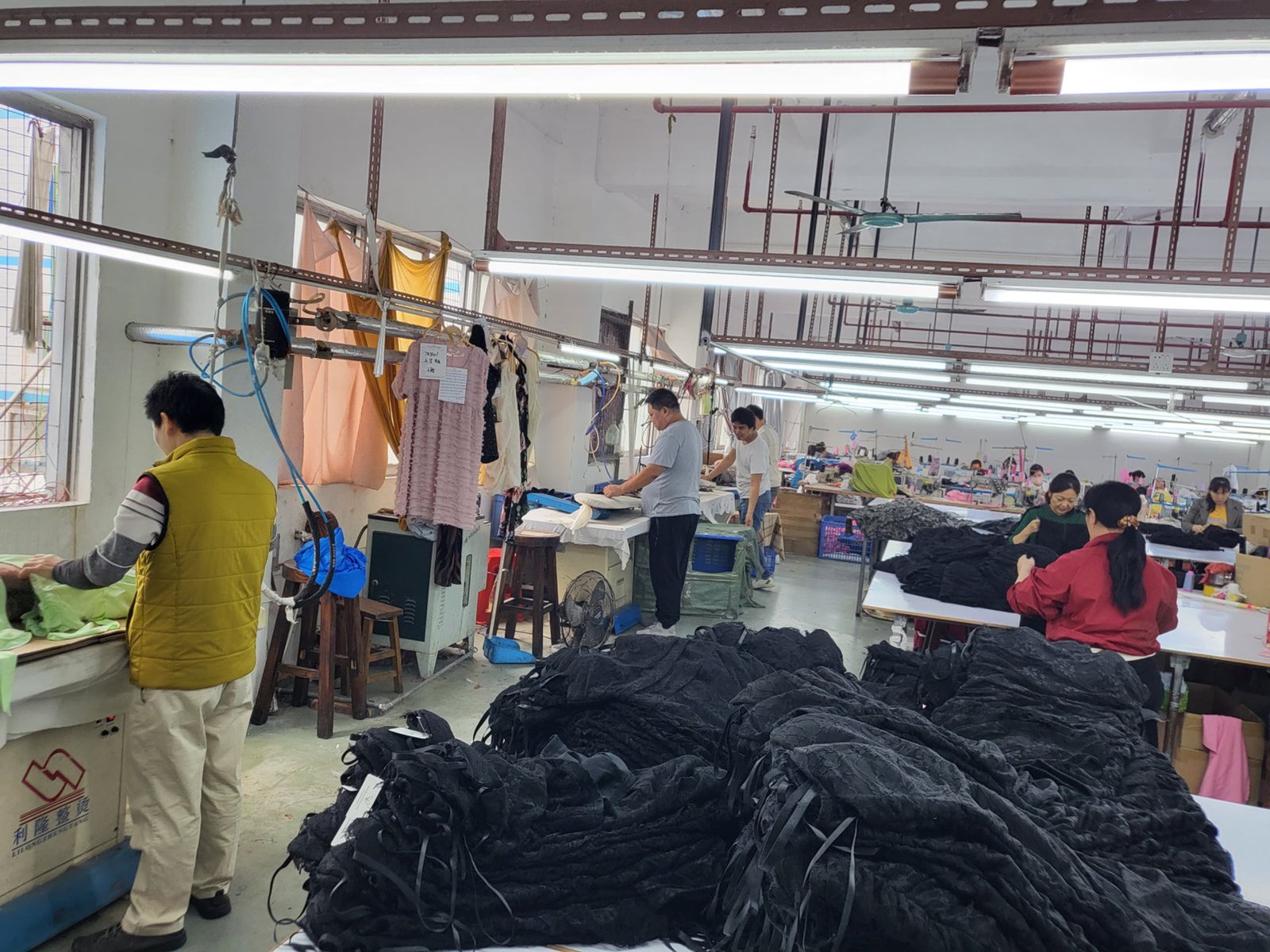
Garment finishing is a critical stage in custom women clothing production.
This includes thread trimming, pressing, label attachment, and preparation for final inspection.
Quality control teams check garments against the tech pack to confirm sizing, color consistency, workmanship, and overall appearance.
7 Key Quality Control Steps
- Fabric inspection before cutting
- Pattern and size verification
- In-line sewing quality checks
- Measurement accuracy inspection
- Visual defect detection
- Final pressing and finishing review
- Packaging and labeling confirmation
Following these steps helps OEM factories deliver stable quality and reduces return rates for fashion brands.
Helpful Resources
Learn more about garment manufacturing and quality standards:
Quality control in textile manufacturing
International trade & Incoterms rules
Frequently Asked Questions
What is custom women clothing production?
Custom women clothing production refers to made-to-order garment manufacturing based on a brand’s designs, fabrics, and specifications.
Why is quality control important in garment manufacturing?
Quality control ensures garments meet size, construction, and appearance standards before shipment, reducing defects and customer complaints.
How do OEM factories ensure consistent quality?
OEM factories use in-line inspections, trained QC teams, and final audits to maintain consistent production quality.


Comments