
8 Essential Steps in the Clothing Manufacturing Process Explained
The clothing manufacturing process involves multiple stages that transform a fashion design into a finished garment ready for sale. For fashion brands, understanding how clothing is produced helps improve communication with manufacturers and ensures better product quality.
Professional garment factories follow a structured workflow that includes product development, fabric sourcing, cutting, sewing, finishing, and quality control. Each stage plays an important role in delivering high-quality garments to the market.
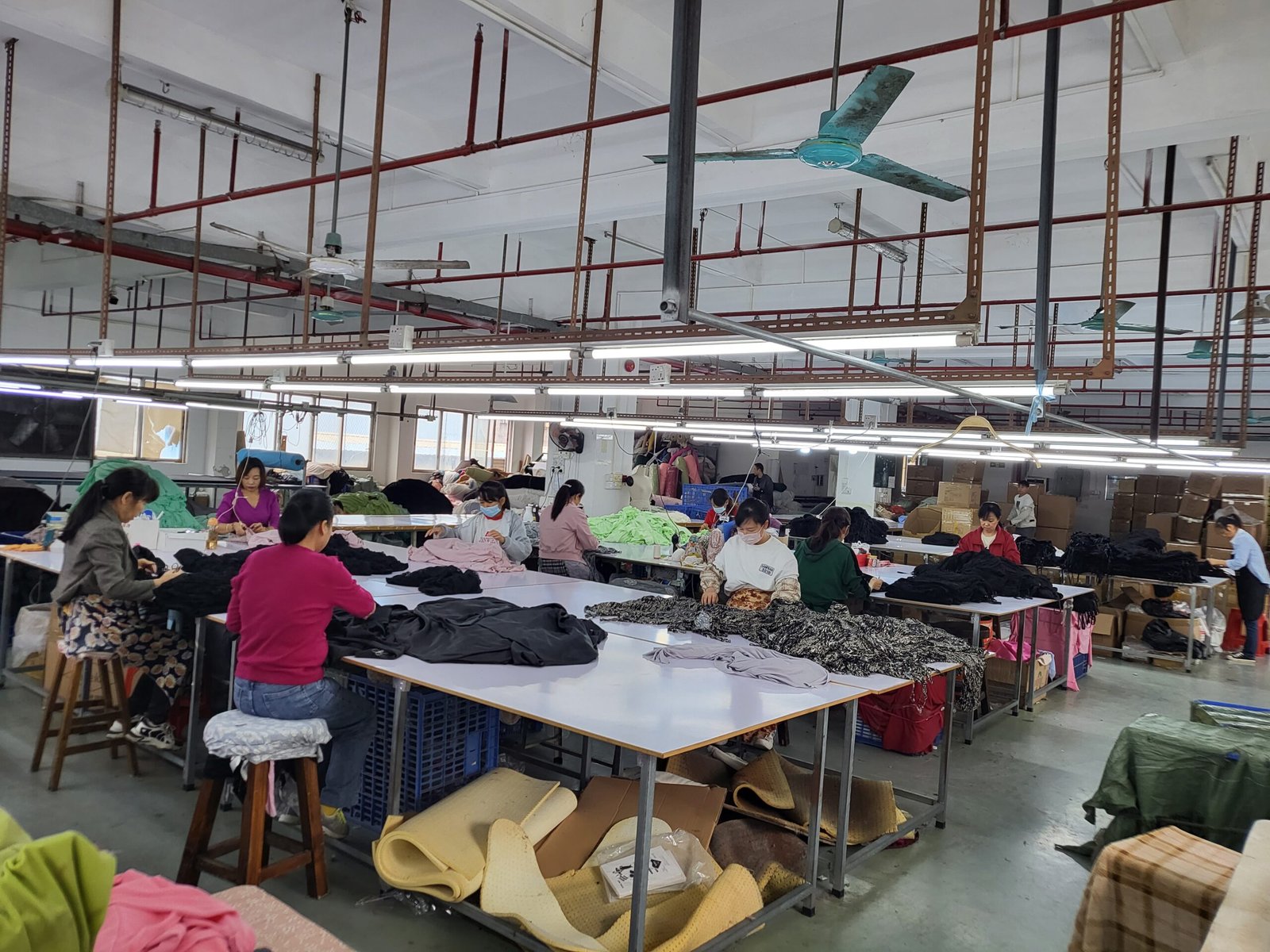
1. Design Development in the Clothing Manufacturing Process
The clothing manufacturing process begins with design development. Fashion designers create sketches or digital illustrations that define the garment style, silhouette, and details.
At this stage, brands also choose fabrics, colors, trims, and accessories. These elements determine the final look and functionality of the garment.
2. Pattern Making
Pattern making is the technical step that transforms a design into a template for production. Pattern makers create precise garment shapes that determine how fabric pieces will be cut and assembled.
Accurate patterns ensure that garments fit correctly and maintain consistent sizing across production batches.
3. Sample Development
Before bulk production begins, manufacturers create samples based on the design and pattern. This allows fashion brands to evaluate garment construction, fit, and fabric performance.
Sampling is essential because it helps identify potential design or production issues before large-scale manufacturing starts.
4. Fabric Sourcing in the Clothing Manufacturing Process
Fabric selection is one of the most important factors affecting garment quality. Manufacturers typically work with textile suppliers to source suitable fabrics based on the design requirements.
Factors such as fabric composition, weight, stretch, and durability must be considered when choosing materials.
5. Fabric Cutting
Once the fabric is approved, the cutting stage begins. Fabric is spread in layers and cut according to the patterns using cutting machines or manual cutting tools.
Precise cutting ensures that all garment pieces are identical and ready for sewing.
6. Sewing and Garment Assembly
After cutting, the garment pieces are sent to sewing lines where skilled operators assemble them using industrial sewing machines.
This stage includes stitching seams, attaching zippers or buttons, and adding decorative elements. Experienced workers ensure that stitching quality meets industry standards.
7. Finishing and Quality Inspection
Once sewing is completed, garments go through finishing processes such as trimming loose threads, pressing, and attaching labels.
Quality inspectors carefully check each garment to ensure it meets measurement standards and visual quality requirements.
8. Packaging and Shipment
The final stage of the clothing manufacturing process is packaging. Garments are folded, packed, and prepared for shipment to international customers.
Proper packaging protects garments during transportation and ensures products arrive in perfect condition.
If you are looking for a professional garment factory to produce high-quality clothing, you can explore our manufacturing services:
Custom Women Clothing Manufacturer
You can also learn more about our factory capabilities here:
Professional Women Clothing Manufacturer
For additional insights into the global fashion industry, you can explore research from
Statista’s apparel industry reports.
Understanding the clothing manufacturing process allows fashion brands to work more efficiently with factories and achieve better production results.


Comments