
Clothing Factory Success: How Lockstitch Machines Drive Efficiency & Quality
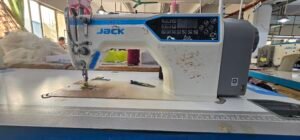
In the competitive world of garment manufacturing, a clothing factory ’s ability to deliver consistent quality and meet tight deadlines often hinges on one workhorse piece of equipment: the lockstitch machine. For clothing factories specializing in OEM/ODM —like those in Chenghai catering to European and American buyers—this machine isn’t just a tool; it’s the backbone of daily operations. Whether sewing T-shirt side seams, shirt plackets, or kids’ wear hems, the lockstitch machine balances speed, precision, and versatility, making it indispensable for small-batch quick-turnaround clothing factories and large-scale production lines alike.
Why Lockstitch Machines Are Non-Negotiable for Every Clothing Factory
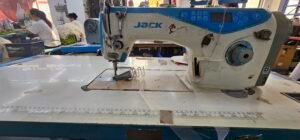
A clothing factory ’s profitability depends on minimizing downtime and maximizing output—two areas where lockstitch machines excel. Unlike specialized equipment that handles niche tasks, lockstitch machines perform the foundational work that keeps production moving: joining fabrics, applying topstitching, and even basic button attachment. This versatility means a clothing factory producing casual wear can use the same machine for T-shirts and hoodies, while one focused on woven garments relies on it for shirts and jackets.
For clothing factories targeting international buyers , the lockstitch machine’s ability to create clean, uniform “stitch type 101” (interlocking upper and lower threads) is critical. European and American B2B clients prioritize consistent craftsmanship, and a lockstitch’s flat, durable seams meet their strict quality standards. In fact, many high-quality clothing factories list “industrial lockstitch machine-equipped” as a key selling point in their marketing—proof of its role in building buyer trust.
Lockstitch Machine Types: Matching to Your Clothing Factory’s Needs
Not all lockstitch machines are created equal, and the best choice for your clothing factory depends on your product line, order volume, and efficiency goals. Here’s how to align the machine with your operations:
1. Industrial Lockstitch Machines: For High-Volume Clothing Factories
The standard for large-scale clothing factories , industrial lockstitch machines operate at speeds up to 5,000 stitches per minute—ideal for bulk orders of basic tees, casual pants, or kids’ wear. They handle everything from lightweight chiffon to medium-heavy cotton, making them a staple in Chenghai clothing factories that serve diverse OEM clients. Their robust build minimizes maintenance, a must for clothing factories with 24/7 production schedules .
2. Computerized Lockstitch Machines: Game-Changer for Small-Batch Clothing Factories
For clothing factories focusing on small-batch quick turnaround , computerized lockstitch machines are a game-changer. These models add automation features like automatic thread cutting, stitch memory, and presser foot lifting—cutting down on manual tasks and reducing debugging time by 60%. A clothing factory producing custom sportswear or limited-edition casual wear can switch between neckline stitching and waistband topstitching in minutes, meeting the fast delivery demands of modern B2B buyers.
3. Compact Lockstitch Machines: For Niche Clothing Factories
Smaller clothing factories specializing in delicate garments (like silk blouses or infant wear) benefit from compact lockstitch machines. These models offer the same precision as industrial versions but with a smaller footprint, perfect for workshops with limited space. They’re also gentler on fragile fabrics, ensuring seams don’t pucker or tear—critical for clothing factories targeting premium markets .
How Lockstitch Machines Boost a Clothing Factory’s Bottom Line
Investing in quality lockstitch machines isn’t just about meeting production needs—it’s about boosting profitability for your clothing factory . Here are three tangible benefits:
-
Reduced Labor Costs : Computerized lockstitch machines cut down on manual work (eg, automatic thread cutting saves 50% of time spent trimming threads), letting clothing factory workers focus on higher-value tasks.
-
Fewer Defects : Consistent stitch quality means fewer rejected garments—a major win for clothing factories that can’t afford to waste fabric or miss deadlines. This is especially important for clothing factories exporting to Europe , where strict quality checks are non-negotiable.
-
Scalability : As your clothing factory grows, adding more lockstitch machines (or upgrading to computerized models) lets you take on larger orders without sacrificing quality. Many successful clothing factories start with 5-10 industrial lockstitch machines and expand as client demand increases.
Real-World Example: A Chenghai Clothing Factory’s Lockstitch Upgrade
A mid-sized Chenghai clothing factory specializing in knit casual wear recently replaced 8 traditional industrial lockstitch machines with computerized models. Within 3 months, they saw: 25% faster production on T-shirt and hoodie ordersA 40% drop in defective seamsThe ability to take on 15% more small-batch orders (thanks to quick style changes)Their European clients noticed the difference too—one major retailer increased their order volume by 30% after auditing the factory’s new equipment. “The lockstitch machines aren’t just tools; they’re part of our value proposition,” said the factory’s owner.
Choosing the Right Lockstitch Machine for Your Clothing Factory
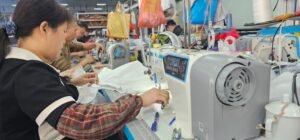
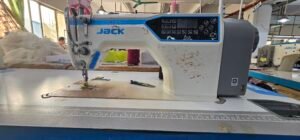
When selecting a lockstitch machine for your clothing factory , ask these key questions: What fabrics do I work with? Lightweight materials (snow纺) need machines with adjustable tension, while medium-heavy fabrics (denim) require stronger motors. What’s my order volume? High-volume clothing factories need industrial models, while small-batch operations benefit from computerized versions. What are my clients’ standards?Clothing factories exporting to the US or EU may need machines that meet specific stitch consistency requirements. What’s my budget? Computerized machines cost more upfront but offer long-term savings for growing clothing factories .Final Thoughts: Lockstitch Machines = Clothing Factory SuccessFor any clothing factory —whether a small Chenghai workshop or a large-scale production facility—the lockstitch machine is more than equipment. It’s the engine that drives efficiency, quality, and client trust. By choosing the right model for your needs, you’re not just investing in a tool—you’re investing in your clothing factory ’s ability to compete in the global garment market. Whether you’re sewing basic tees or custom sportswear, a reliable lockstitch machine ensures your clothing factory delivers on time, every time.


Comments