

Amazon Recall Alerts: Compliance and Quality Challenges for the US Women’s Apparel Manufacturing Industry
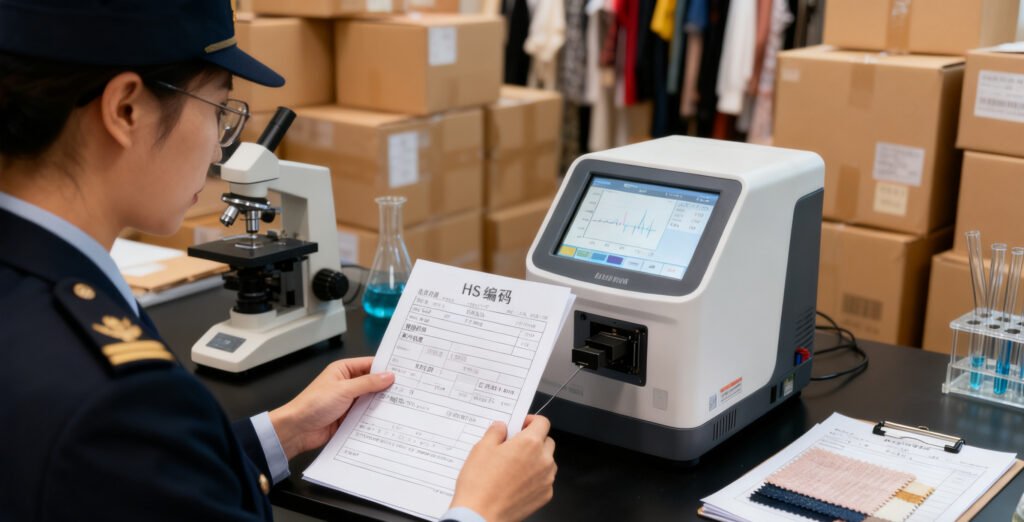
Frequent product recall alerts on the Amazon platform are becoming a “quality barometer” for the US women’s apparel industry.
From fiber content fraud to substandard safety standards, from false labeling to missing compliance documents, recall incidents expose not only issues with individual products but also systemic weaknesses in the industry’s supply chain management and regulatory compliance, forcing companies to restructure their manufacturing and quality control processes.
The core drivers of recall alerts are concentrated in three areas.
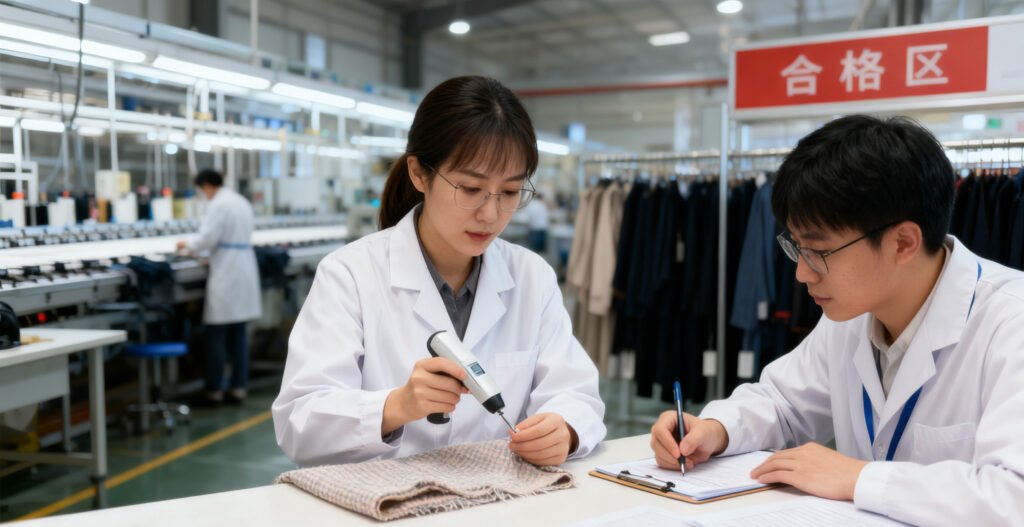
Lack of quality control bears the brunt of this. A Suzhou fashion company was fined over 40,000 yuan for tweed jackets with substandard fiber content, a case that epitomizes a common industry problem: some manufacturers, to cut costs, procure inferior fabrics and fail to establish mandatory pre-shipment testing mechanisms, resulting in substandard products entering Amazon’s channels. Compliance loopholes are equally devastating. A Los Angeles clothing company evaded $8.4 million in taxes by understating the value of goods and misclassifying them, ultimately facing imprisonment and heavy fines. This highlights the compliance risks associated with processes like customs declaration and country of origin labeling.
Furthermore, non-compliant labeling has become a major issue. Products that violate the Federal Trade Commission (FTC) fabric labeling regulations are highly susceptible to recalls after listing on Amazon.
Intensified regulation in the US market is escalating industry risks. Amazon’s factory inspection standards have been fully standardized, covering core areas such as quality management systems, employee rights, and business ethics. Manufacturers that fail these inspections will be disqualified from cooperation.
Customs regulations have entered a period of stricter enforcement, with six mandatory inspections, including verification of goods value and document authenticity, making inspection costs soaring from $1,000 to $5,000, and process times extending to over 20 days, further squeezing companies’ profit margins. The rigid constraints of safety regulations, such as 16 CFR Part 1610, the flammability standard for textiles, further hinder the sale of substandard products.
The path to a breakthrough requires a “three-pronged defense.”
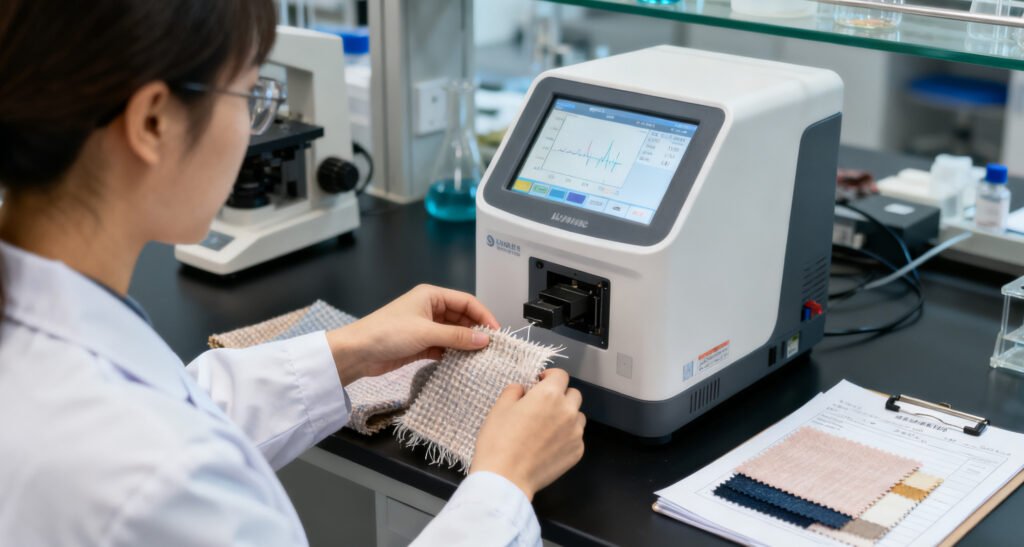
In terms of quality control, manufacturers should establish a raw material traceability system, improve quality inspection documents in accordance with Amazon’s factory inspection requirements, and conduct fiber content and safety performance testing on each batch of products to avoid repeating the mistakes of Suzhou companies.
In terms of compliance management, accurate matching of HS code declarations, accurate labeling of goods value and origin, and strict adherence to FTC labeling regulations are required to ensure that information such as ingredients and washing instructions is verifiable. Regarding supply chain collaboration, brands and manufacturers should clearly define the division of quality responsibilities in their agreements. For example, when outsourcing processing, the brand is responsible for guaranteeing product quality, while the manufacturer assumes compliance obligations during the production process, thus forming a shared risk prevention mechanism.
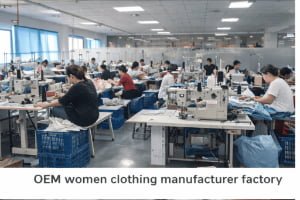
Notably, Chenghai Women’s Clothing, a leading company in the women’s clothing manufacturing sector, has taken the lead in responding to the industry’s demand for quality upgrades and has stepped up its product quality inspections.
Not only has it established a dedicated quality inspection team to conduct full-process spot checks on key aspects such as fabric composition, craftsmanship, and safety performance, it has also engaged a third-party testing agency to conduct compliance verification on each batch of products destined for US export, ensuring full compliance with FTC labeling regulations and 16 CFR Part 1610 flammability standards.
Chenghai Women’s Clothing has also established a quality issue traceability ledger and implemented a “zero tolerance” policy for defective products discovered during inspections, eliminating unqualified products from entering the market at the source. This provides a practical example of proactive compliance in the industry.
Amazon’s recall alert is a catalyst for industry upgrading.
For women’s clothing manufacturers, whether leading brands or small and medium-sized manufacturers, only by integrating quality inspections throughout the entire production chain, like Chenghai Women’s Clothing, and replacing reliance on luck with rigorous quality control, can they maintain their footing under the high regulatory pressure of the North American market and truly achieve the transition from passively responding to recalls to proactively building quality barriers.



Comments