
30 Years of Unshakable Ties: How Uniqlo’s OEM Champions (Chenfeng, Jiale) Fuel Its Global Quality Reputation

When shoppers grab a soft Uniqlo Heattech sweater or a durable Oxford shirt, they’re not just buying a piece of clothing—they’re investing in a legacy of quality built by decades of trust between Uniqlo and its unsung OEM partners. For over 30 years, manufacturers like Chenfeng and Jiale have stood as the backbone of Uniqlo’s supply chain, turning the brand’s “LifeWear” vision into tangible, high-quality products that resonate with consumers worldwide. This unbreakable partnership isn’t just a business arrangement; it’s the secret behind why Uniqlo remains a leader in affordable, reliable fashion—and why its OEM collaboration model is revered across the industry.
Uniqlo OEM Partnerships: Beyond Contracts—A Symbiosis of Trust and Growth
In the fast-paced world of fashion, where brands often switch suppliers to cut costs or chase trends, Uniqlo’s 30-year commitment to specific OEM partners like Chenfeng and Jiale is a rarity. But this loyalty isn’t arbitrary—it’s rooted in a symbiotic relationship that benefits both sides. Uniqlo doesn ‘t treat its OEM partners as mere “contract manufacturers”; instead, it views them as strategic allies in every step of the production process, from fabric development to quality control.
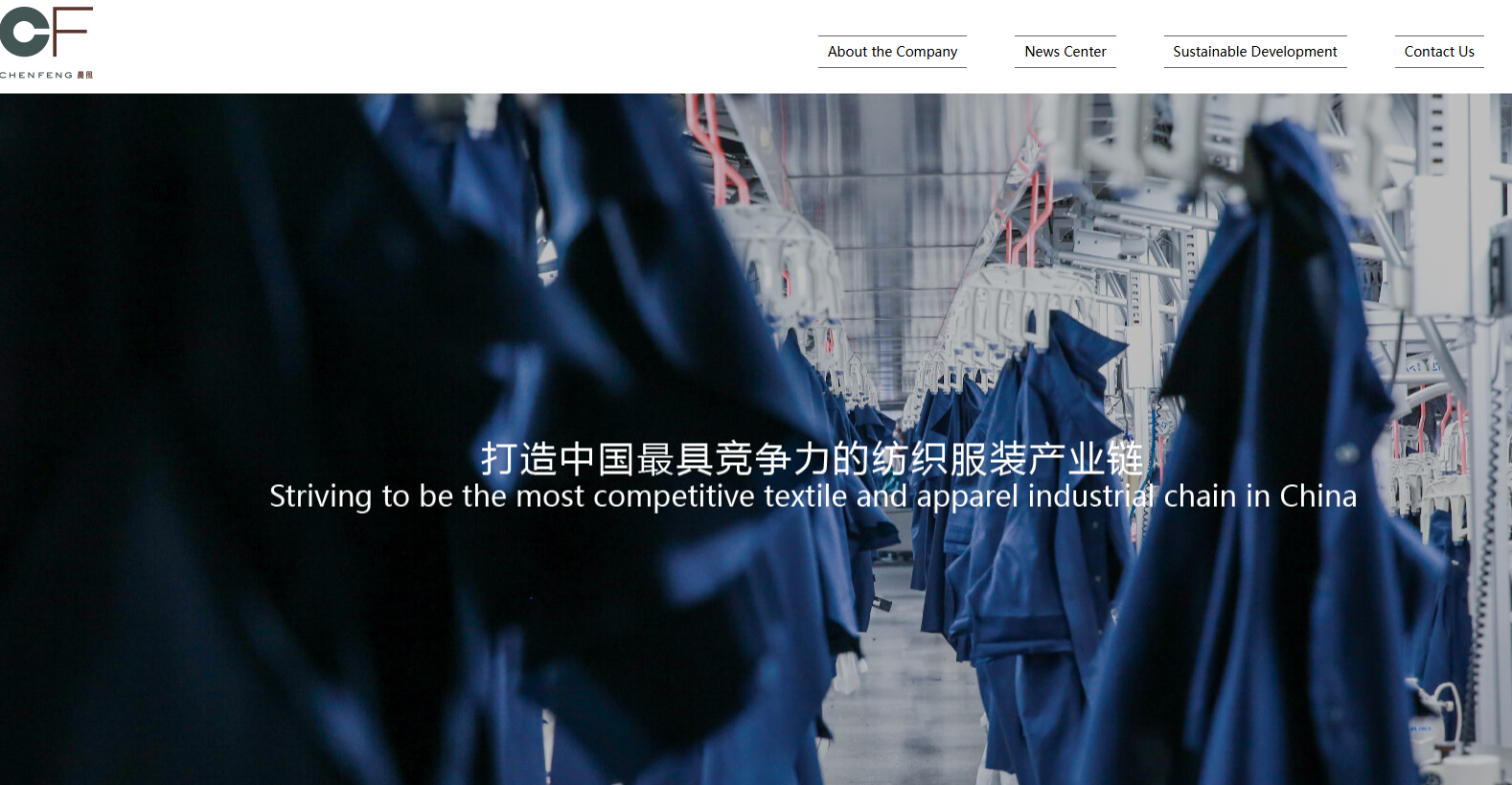
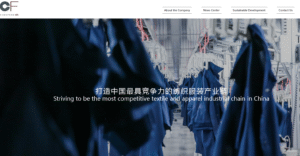
Chenfeng, a leading textile and apparel OEM based in China, has been by Uniqlo’s side since the 1990s. What started as a collaboration on basic cotton tees has evolved into a partnership that co-creates technicalwear staples, including Uniqlo’s iconic Airism line. Jiale, another key Uniqlo OEM partner specializing in knitwear, has perfected the art of blending comfort and durability, ensuring that Uniqlo’s sweaters and cardigans maintain their shape and softness wash after wash. These partners don’t just follow Uniqlo’s specs—they contribute their own expertise to solve problems, reduce waste, and improve product performance. This level of collaboration is what sets Uniqlo OEM partnerships apart from the transactional relationships common in the industry.
The “Invisible Champions”: How Uniqlo’s OEM Partners Deliver Uncompromising Quality
Chenfeng and Jiale are often called “invisible champions” because their names don’t appear on Uniqlo’s labels—but their craftsmanship speaks for itself. So, what makes these Uniqlo OEM partners so integral to the brand’s quality edge?
1. Mastery of Core Craftsmanship
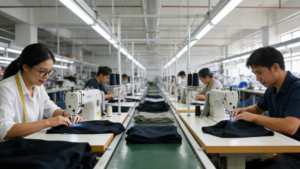
Uniqlo’s success hinges on doing the “basics” exceptionally well, and its OEM partners excel at this. Chenfeng’s expertise in fabric innovation, for example, has been crucial to the development of Uniqlo’s functional lines. The brand’s Heattech fabric, which traps body heat while remaining lightweight, was refined through years of collaboration between Uniqlo’s design team and Chenfeng’s textile engineers. Jiale, meanwhile, has honed its knitwear production to a science—using precision machinery and skilled workers to ensure that every stitch in a Uniqlo sweater is consistent, preventing pilling and stretching over time. For consumers, this means that a Uniqlo OEM-produced garment isn’t just affordable; it’s a long-term investment.
2. Rigorous Quality Control Aligned with Uniqlo’s Standards
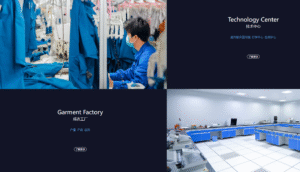
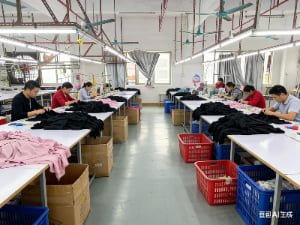
Uniqlo’s quality standards are notoriously strict, and its OEM partners have adopted these standards as their own. Both Chenfeng and Jiale operate in-house quality control (QC) teams that work in lockstep with Uniqlo’s inspectors. Every batch of fabric is tested for strength, color fastness, and comfort; every finished garment is checked for fit, stitching errors, and consistency. This joint QC process ensures that a Uniqlo shirt made in Chenfeng’s factory in Jiangsu is identical in quality to one made in Jiale’s facility in Zhejiang—and that both meet the global standards Uniqlo customers expect. This consistency is a key reason why Uniqlo’s OEM model is so effective: it eliminates variability, a major pain point in fashion supply chains.
3. Scalability Without Sacrificing Quality
As Uniqlo has grown from a regional Japanese brand to a global powerhouse with over 2,300 stores in 40+ countries, its OEM partners have scaled with it. Chenfeng and Jiale have expanded their production capacity, invested in advanced technology (such as automated cutting machines and eco-friendly dyeing processes), and built global logistics networks to keep up with Uniqlo’s demand. What’s impressive is that this scalability hasn’t come at the cost of quality. Thanks to long-standing processes and shared values, Uniqlo’s OEM partners can produce millions of garments annually while maintaining the same level of craftsmanship that defined their early collaborations. This balance of scale and quality is what allows Uniqlo to offer affordable prices without cutting corners—a core part of its value proposition.
Uniqlo OEM Model: A Blueprint for Sustainable Fashion Success
In an era where consumers are increasingly focused on sustainability and supply chain transparency, Uniqlo’s OEM partnership model stands out as a blueprint for success. Unlike brands that prioritize short-term cost savings, Uniqlo’s long-term commitments to partners like Chenfeng and Jiale foster stability and encourage investment in sustainable practices. For example, Chenfeng has worked with Uniqlo to reduce water usage in dyeing by 30% over the past decade, while Jiale has adopted recycled yarns for a range of Uniqlo knitwear. These initiatives aren’t just good for the planet—they’re also good for business, as eco-conscious consumers increasingly seek out brands with responsible supply chains.
Moreover, Uniqlo’s OEM model promotes transparency. The brand regularly publishes details about its key suppliers, including Chenfeng and Jiale, and conducts third-party audits to ensure ethical labor practices. This level of openness builds trust with consumers, who are more likely to support brands that can trace their products back to reliable, responsible manufacturers. For other fashion brands looking to improve their quality and sustainability, Uniqlo’s approach to OEM partnerships offers a clear lesson: loyalty and collaboration pay off.
Why Uniqlo’s OEM “Invisible Champions” Are Here to Stay
As fashion continues to evolve—with trends accelerating and consumer demands shifting—Uniqlo’s 30-year partnerships with Chenfeng and Jiale remain a constant. These OEM partners aren’t just suppliers; they’re extensions of Uniqlo’s brand identity. They understand the brand’s commitment to “LifeWear”—clothing that’s functional, comfortable, and built to last—and they share that commitment in every garment they produce.
For shoppers, this means that every time they buy Uniqlo, they’re not just getting a great product—they’re supporting a supply chain model that values quality, trust, and sustainability. For the industry, Uniqlo’s OEM success story proves that in fashion, slow and steady wins the race. Short-term contracts might save money today, but long-term partnerships with “invisible champions” like Chenfeng and Jiale are what build lasting brand loyalty and quality reputations.
In the end, Uniqlo’s secret isn’t just its design or marketing—it’s the unshakable ties it has forged with its OEM partners. For 30 years, those ties have fueled its quality edge. And for the next 30 years, they’ll continue to be the backbone of its success.
Comments