
2026 World Cup Clothing Supplier: The Dual Power Shaping Global Sports Apparel
As the 2026 FIFA World Cup (co-hosted by the US, Mexico, and Canada) approaches, the role of clothing supplier has evolved from a behind-the-scenes supporter to a core driver of the tournament’s commercial success and cultural impact. With 48 teams competing for the first time in World Cup history, the demand for official jerseys, fan apparel, and event merchandise has created a $20 billion market — and clothing suppliers worldwide are racing to seize this opportunity.
The “Big Three” Dominance & Emerging Challengers
For decades, global sports giants have dominated the World Cup clothing supplier landscape, and 2026 is no exception. Adidas, a 15-time official FIFA partner, has already made waves by launching its first batch of national team jerseys in November 2023, with Germany’s home white and Argentina’s three-star blue selling out within hours. Nike, the reigning champion of team sponsorships, is set to support 13+ teams, building on its 2018 success where Nigerian jerseys became a global phenomenon with 3 million pre-orders. Puma, meanwhile, aims to expand its 6-team portfolio, though it still laments Italy’s consecutive World Cup absences that disrupted its long-term partnership plans.
Yet, the 2026 tournament marks a turning point for regional clothing supplier players. Iran’s 本土 brand Majid broke through by securing the national team’s sponsorship, ending the country’s 2018 embarrassment of wearing unsponsored Adidas jerseys. The brand’s five custom-designed home kits, infused with Persian cultural elements, highlight how local suppliers can leverage national pride to compete with global giants.
Yiwu: The Unsung Clothing Supplier Powerhouse
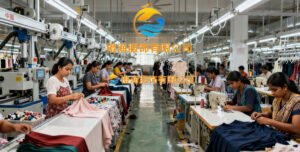
No discussion of 2026 World Cup apparel would be complete without mentioning Yiwu, China — the “world’s supermarket” and a pivotal clothing supplier for global sports events. Responsible for 70% of World Cup peripheral products worldwide, Yiwu’s suppliers have already kicked off production for 2026. Merchants like Wen Congjian design original fan jerseys blending team colors with cultural symbols (e.g., Brazil’s yellow-green-blue palette with samba-inspired patterns) and have secured patents to protect their creations.
Data from Yiwu Customs underscores the region’s influence: sports goods exports reached 5.86 billion RMB ($810 million) in H1 2025, a 16.8% year-on-year increase. “We’re seeing 10-20% more inquiries than the Qatar World Cup period,” notes Liu Jiaqi, a Yiwu clothing supplier specializing in Latin American markets. “Mexico’s passion for soccer is driving pre-orders, and we’re scaling up to meet demand for host-nation apparel.”
The Economics of Being a World Cup Clothing Supplier
For clothing supplier partners, the World Cup is a high-stakes investment with massive rewards. PR Marketing data shows that 2018’s 14.9 million jersey sales generated \(1.788 billion in revenue, even with a 12% price hike from 2014. In 2026, Adidas forecasts a 50% sales surge, with its \)149 player jerseys doubling as “team performance options” — fans buy not just apparel, but a stake in their team’s success
However, risks persist. A European second-tier team’s clothing supplier is already stockpiling 300,000 player jerseys labeled “Back Drawer,” preparing for a “regret collection” discount if the team fails to qualify. This balancing act between supply and demand underscores why the most successful clothing supplier partners combine market insight with agile production.
In 2026, the World Cup clothing supplier ecosystem will be defined by two forces: global brands with tech-driven innovation and regional players with cultural agility. As fans gear up to cheer for their teams, the apparel they wear will tell stories of not just athletic prowess, but the suppliers who turn passion into wearable art.


Comments