
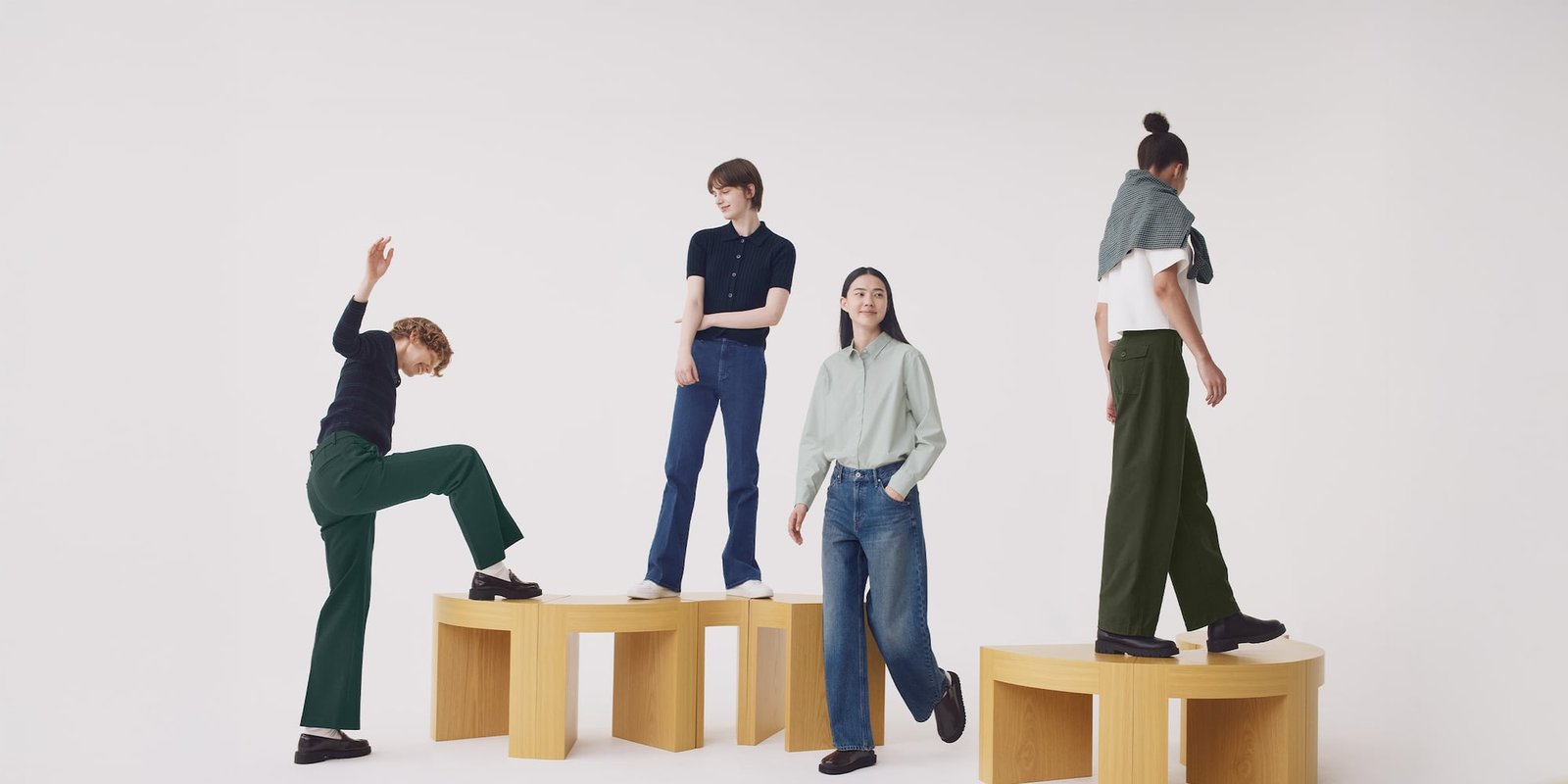
2026 Clothing Industry Trends: Reshape, Resonate, and Reignite the Fashion Future
The clothing industry has always been a mirror of the times, reflecting social emotions, technological progress, and cultural integration. As we step into 2026, the industry is no longer confined to the competition of styles and fabrics, but enters an era of “perceptual experience” driven by multiple factors such as consumption upgrades, technological innovation, and environmental awareness. According to the latest analysis from PROMOSTYL, a well-known international fashion trend forecasting agency, the 2026 clothing industry will revolve around four core keywords: Restructuring, Flow, Resonance, and New Artistic Realm. This article will deeply interpret the new trends of the clothing industry in 2026, providing valuable references for brands, practitioners, and fashion lovers.
1. Color Trends: Dopamine Hues Become the Emotional Driving Force of the Clothing Industry
In 2026, the clothing industry bid farewell to the monotonous neutral color trend, and “dopamine colors” with high saturation and strong vitality have become the absolute mainstream. This trend, known as “Vibrant Sweetness” in the SS26MODE Exhibition, is not just a visual decoration, but a powerful carrier of emotional healing and self-expression, which precisely meets the post-pandemic consumer demand for optimism and psychological comfort.
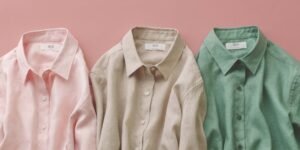
Lemon yellow, coral orange, electric blue, and pastel green are the representative colors of this trend in the 2026 clothing industry. Unlike previous bright color trends, these hues pay more attention to the synergy between vision and emotion. For example, in the works of brands such as Humility (from XY Showroom) and VALENCIANI (from DFO SHOWROOM), designers use color block splicing, gradient dyeing, and knitted fabrics to enhance the layering and dynamics of colors, making the clothing not only bright but also full of strength. The practical matching skills of these colors have also been widely promoted in the clothing industry: lemon yellow with sky blue creates a fresh and lively feeling, while coral red with black and white gray balances sweetness and coolness, which is suitable for both daily commuting and vacation scenes.

2. Pattern Innovation: Floral Elements and Ethnic Culture Lead the Aesthetic Upgrade of the Clothing Industry
The 2026 clothing industry pays more attention to the narrative of patterns, among which floral elements and ethnic cultural patterns have become the two major creative directions, interpreting the trend of “Flower Shadow with Wind” and “Colorful Weaving Chapter” respectively.
Floral patterns, which have always been popular in the clothing industry, have achieved a modern upgrade in 2026. Designers abandon the cumbersome large prints in the past, and turn to small and concentrated prints, matching them with light chiffon, silk, and cotton-linen fabrics to create a romantic and practical wearing experience. Brands such as YVON (from ALTER SHOWROOM) and TACH CLOTHING (from ALTER SHOWROOM) have integrated floral elements with modern tailoring. For example, a floral dress with a high waist and A-line silhouette not only shows the softness of women but also meets the needs of daily activities, making the floral trend in the clothing industry more grounded.
Ethnic cultural elements have become a new highlight of the 2026 clothing industry, marking the transformation of the industry from “cultural reproduction” to “cultural reconstruction”. Designers extract traditional patterns and embroidery techniques from Chinese ethnic minorities, such as the cross-stitch of the Miao nationality and the tie-dye of the Bai nationality, and integrate them into modern clothing. For example, a casual jacket with ethnic embroidery on the cuffs and a simple T-shirt inside can highlight cultural connotation without being abrupt. This trend not only enriches the product matrix of the clothing industry but also promotes the international spread of ethnic culture, making “Chinese style” a new label in the global clothing industry.
3. Concept Upgrade: Sustainability Becomes the Core Competitiveness of the Clothing Industry
Against the background of global environmental protection, sustainability has become an indispensable part of the development of the 2026 clothing industry, and the trend of “Xirang Rebirth” (meaning rebirth of life) has become the consensus of the industry. This trend is not just a concept, but has been implemented in the entire industrial chain from raw materials to production and recycling.
In terms of raw materials, more and more brands in the clothing industry have begun to use recycled fabrics, such as recycled polyester made from plastic bottles and organic cotton grown without chemical fertilizers. In the production process, water-saving printing and dyeing technology and energy-saving equipment are widely used to reduce environmental pollution. In terms of recycling, some brands have launched clothing recycling programs, recycling old clothes and processing them into new fabrics, forming a circular economy model. This sustainable practice not only conforms to the social responsibility of the clothing industry but also wins the favor of consumers. A survey shows that 65% of young consumers in 2026 are willing to pay a premium for sustainable clothing, which shows that the concept of environmental protection has deeply rooted in the clothing consumption market.

4. Industrial Transformation: Technology and Supply Chain Reconstruction Promote the High-Quality Development of the Clothing Industry
The 2026 clothing industry is also undergoing profound changes in technology and supply chain. The integration of digital technology and the clothing industry has become more in-depth. For example, AI design software can quickly generate clothing styles according to consumer preferences, and virtual fitting technology allows consumers to try on clothes online, improving the efficiency of design and sales.
In terms of supply chain, the clothing industry is gradually moving towards “flexible production” to cope with the increasingly personalized consumer demand. Brands build a fast-response supply chain, shorten the production cycle from design to listing, and realize small-batch and multi-variety production. At the same time, the localization of the supply chain has also been strengthened. Many clothing enterprises have established production bases in the domestic market, reducing the impact of international logistics costs and geopolitical factors, and improving the stability of the supply chain. These changes have promoted the clothing industry to move from the traditional “scale-oriented” to “efficiency-oriented” and “quality-oriented”.

Conclusion: Seize the Trend and Embrace the New Era of the Clothing Industry
The 2026 clothing industry is a stage of integration and innovation, where color, pattern, concept, and technology collide with each other to create a diverse and vibrant fashion ecosystem. For brands in the clothing industry, only by grasping the emotional needs of consumers, integrating cultural connotation, adhering to sustainable development, and embracing technological changes can they stand out in the fierce market competition. For consumers, the rich and diverse trends of the clothing industry provide more possibilities for self-expression. The 2026 clothing industry is not just about clothes, but a way of life that conveys emotions, culture, and values. Let us wait and see the more exciting performance of the clothing industry in the new year.

Comments